Trump Introduces New Visa Fees and Programs for Foreign Workers
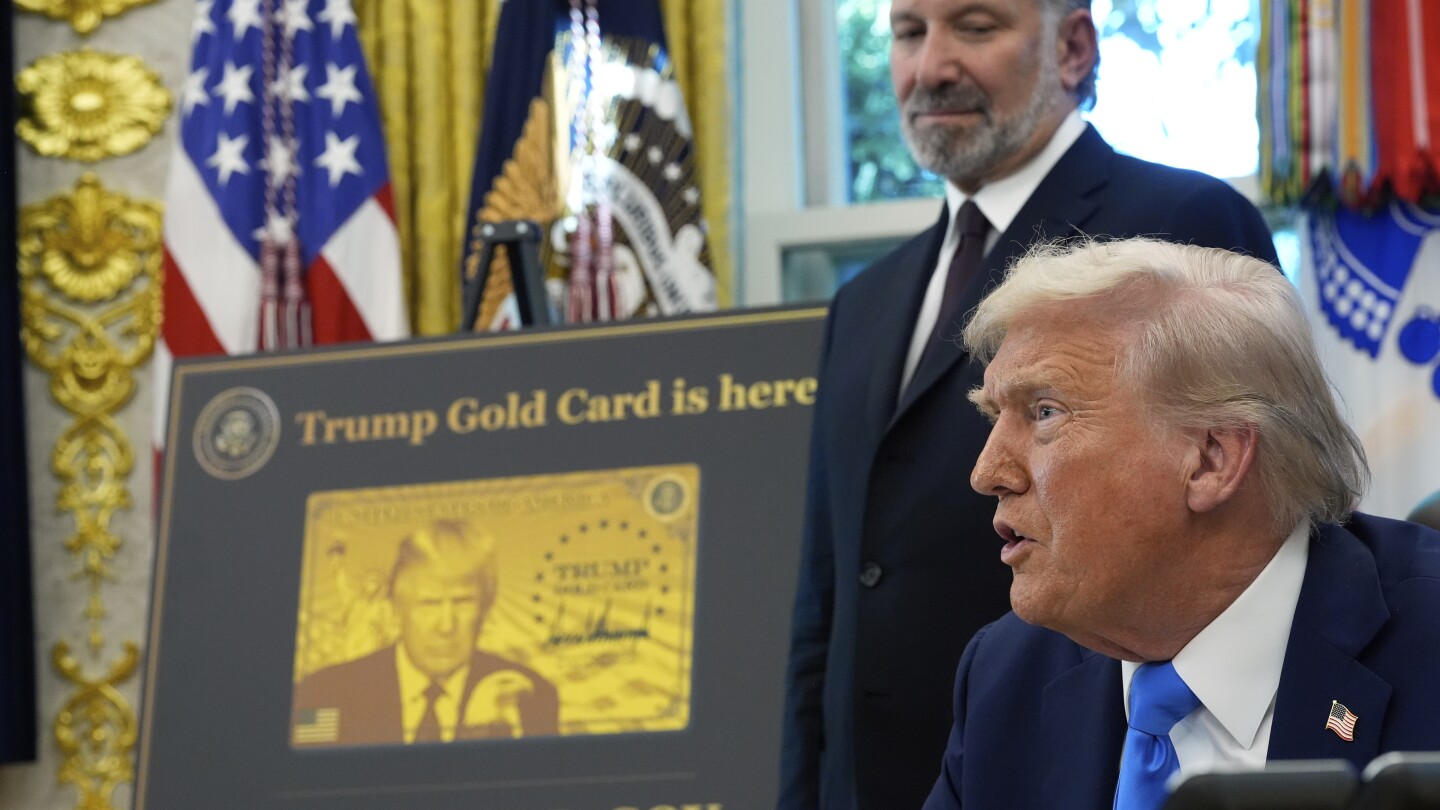
On Friday, President Donald Trump signed a proclamation introducing significant changes to U.S. visa policies. This includes a new $100,000 annual fee for highly-skilled foreign workers and the introduction of a $1 million “gold card” visa, designed as a pathway to U.S. citizenship for wealthy individuals. These measures are anticipated to face legal challenges due to concerns about bypassing Congress.
If enacted, these changes will result in substantial fee increases. The cost for skilled worker visas will rise dramatically from the current $215, while investor visa fees will increase from a range of $10,000-$20,000 annually.
The H-1B visas, intended for high-skilled jobs requiring at least a bachelor’s degree, are commonly used by technology companies to address labor shortages. However, critics argue that the program is often utilized to hire overseas workers for lower salaries than those paid to U.S. citizens in similar positions.
President Trump assured on Friday that the tech industry would support the changes, with Commerce Secretary Howard Lutnick stating that “all big companies” are in agreement. Despite these claims, major tech firms like Amazon, Apple, Google, and Meta did not immediately comment, while Microsoft chose not to respond.
Lutnick highlighted that the increased fees might lead to a significant reduction in the number of H-1B visas granted annually, well below the current cap of 85,000, due to economic considerations.
“If you’re going to train people, you’re going to train Americans,” Lutnick stated during a conference call with reporters. “If you have a very sophisticated engineer and you want to bring them in … then you can pay $100,000 a year for your H-1B visa.”
Additionally, Trump announced plans to offer a “gold card” visa for $1 million, providing a citizenship pathway after vetting. For companies wanting to sponsor an employee, the cost will be $2 million. Furthermore, a “Trump Platinum Card” is set to be introduced, priced at $5 million, allowing foreigners to remain in the U.S. for up to 270 days without facing U.S. taxes on non-U.S. income.
These new cards are intended to replace employment-based visas that currently offer citizenship paths for professionals such as professors, scientists, artists, and athletes.
Critics of the H-1B program, who argue it displaces American workers, have welcomed the proposed changes. U.S. Tech Workers, an advocacy group, referred to the proposal as “the next best thing” to eliminating the visas entirely.
Doug Rand, a former senior official at U.S. Citizenship and Immigration Services under the Biden administration, criticized the fee increase as “ludicrously lawless,” stating, “This isn’t real policy — it’s fan service for immigration restrictionists. Trump gets his headlines, and inflicts a jolt of panic, and doesn’t care whether this survives first contact with the courts.”
While the H-1B fees and gold card can be introduced by executive action, the platinum card will require congressional approval.
Traditionally, H-1B visas have been awarded through a lottery system. In 2024, the number of lottery applications dropped nearly 40%, attributed to efforts against applicants submitting multiple entries to unfairly boost their chances. Major tech firms, which frequently utilize H-1B visas, have pushed for changes after a surge in applications reduced their employees’ odds of being selected in the lottery. In response to potential fraud, USCIS limited applicants to a single entry per year, regardless of the number of job offers received.
While some critics have expressed approval of these changes, they argue further reforms are necessary. The AFL-CIO has called for awarding visas based on wage levels rather than a random lottery, a change Trump supported during his initial presidential term.