Trump’s Proposed Executive Order on Voter ID Sparks Legal Concerns
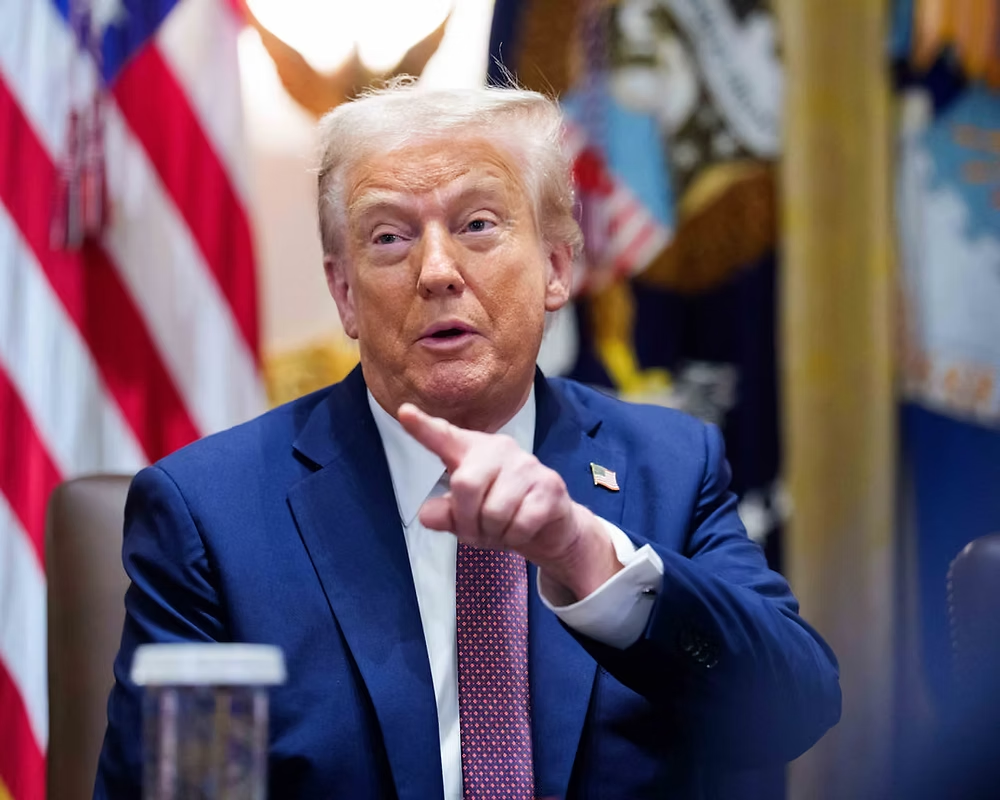
President Donald Trump has announced his intention to issue an executive order requiring voter identification for all U.S. elections. This decision is expected to trigger legal disputes regarding its constitutionality.
“Voter I.D. Must Be Part of Every Single Vote. NO EXCEPTIONS! I Will Be Doing An Executive Order To That End!!!” Trump declared on Truth Social. Additionally, he proposed restricting mail-in voting to military personnel and those with severe illnesses.
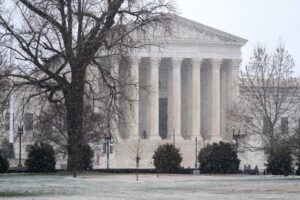
The U.S. Constitution grants states primary control over elections, with Congress having limited oversight. It does not provide the president the authority to unilaterally regulate voting processes. Experts predict Trump’s proposal will face significant legal challenges and may be deemed an overreach of federal power.
Trump’s initiative stems from his unfounded claims of election fraud in the 2020 election. He incorrectly stated that the U.S. is the only nation allowing mail-in voting, despite many countries permitting some form of absentee or postal voting. Ironically, Trump himself has utilized mail-in voting in previous elections.
In 2024, more than 30% of ballots were cast by mail in 14 states and Washington, D.C. Trump secured victories in half of these states, including Utah, where over 91% of ballots were mailed under Republican election oversight.
Presently, 36 states either require or request voter ID at polling stations. The remaining states and D.C. use signature matching or other verification methods. Although voter fraud in the U.S. is exceptionally rare, studies indicate that strict voter ID laws disproportionately impact minorities, seniors, students, low-income individuals, and people with disabilities. According to the Brennan Center for Justice, approximately 11% of eligible voters lack the necessary ID required by stringent laws.
Earlier this year, a federal judge blocked Trump’s attempt to enforce proof-of-citizenship voting rules, citing potential disenfranchisement of millions. Many Americans do not readily possess passports, birth certificates, or updated documents reflecting marital name changes. About 146 million U.S. citizens do not have a passport.
If implemented, Trump’s executive order could affect tens of millions of voters, especially first-time registrants or those updating their information, raising significant questions about voting rights and election accessibility in the upcoming election cycle.