Trump Announces $12 Billion Aid for Farmers Amid Trade Tensions
In a response to the challenges faced by American farmers due to trade policies, President Donald Trump has introduced a $12 billion aid package. This initiative aims to support farmers impacted by increased tariffs on China, a move that has complicated their ability to sell crops while dealing with rising production costs.
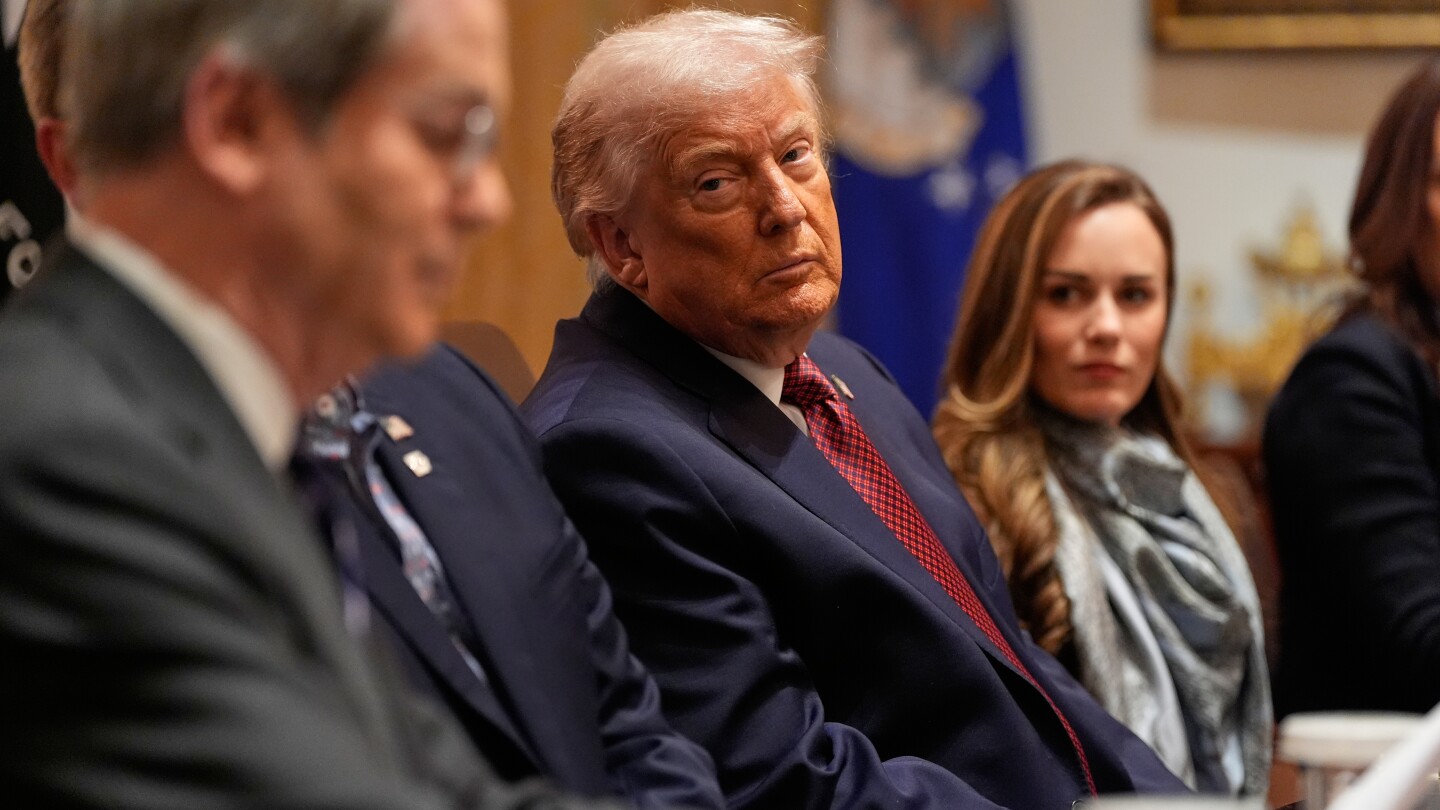
The announcement was made at the White House during a roundtable discussion with Agriculture Secretary Brooke Rollins, farm-state lawmakers, and farmers. “With this bridge payment, we’ll be able to farm another year,” said Iowa farmer Cordt Holub, expressing gratitude for the assistance.
Rollins detailed that the program would initially provide $11 billion in immediate support, targeting row-crop farmers with one-time payments. An additional $1 billion is allocated for specialty crops, acknowledging the unique challenges these farmers face. The aid is expected to be distributed by the end of February.
The administration plans to determine per-acre payments based on production costs, with a cap of $155,000 per farm or individual. Only those earning less than $900,000 annually will qualify, a measure designed to restrict aid to larger farms, which faced criticism during Trump’s first term.
Trade Disputes Impact Agricultural Exports
The trade conflict with China has particularly affected soybean and sorghum producers, as these crops heavily rely on exports to China. In recent discussions, China committed to purchasing 12 million metric tons of U.S. soybeans by year’s end, with additional commitments in subsequent years. Despite these promises, purchases have only reached 2.8 million metric tons so far, raising concerns about meeting targets.
The $12 billion aid package is comparable to the value of U.S. soybean exports to China in 2024, highlighting its significance for the agricultural sector.
Farmers Seek Long-Term Solutions
While the aid package is welcomed, farmers emphasize that it only partially addresses their challenges. The industry faces ongoing issues with rising costs and market uncertainties. In previous years, farmers received over $22 billion in aid due to trade disputes and additional support during the COVID-19 pandemic.
Caleb Ragland, president of the American Soybean Association, insisted on finding sustainable market solutions. “That’s a start, but I think we need to be looking for some avenues to find other funding opportunities and we need to get our markets going. That’s where we want to be able to make a living from,” he said.
Farmers are also concerned about potential industry consolidation, with smaller family farms at risk of being absorbed by larger industrial operations. Robb Ewoldt, an Iowa farmer, shared his challenges, noting that he might have to divest some equipment and seek additional work to manage expenses.
Nevertheless, some farmers remain optimistic. Fourth-generation Minnesota farmer Darin Johnson believes that established farms can leverage their equity to navigate these turbulent times.
Amidst these agricultural challenges, Trump is also addressing rising beef prices. He has directed the Department of Justice to explore potential anti-competitive practices within the food supply chain. An executive order was signed to encourage investigations into issues affecting seeds, fertilizers, and equipment.