Trump Administration Reduces Immigration Officers in Minnesota Amid Tensions
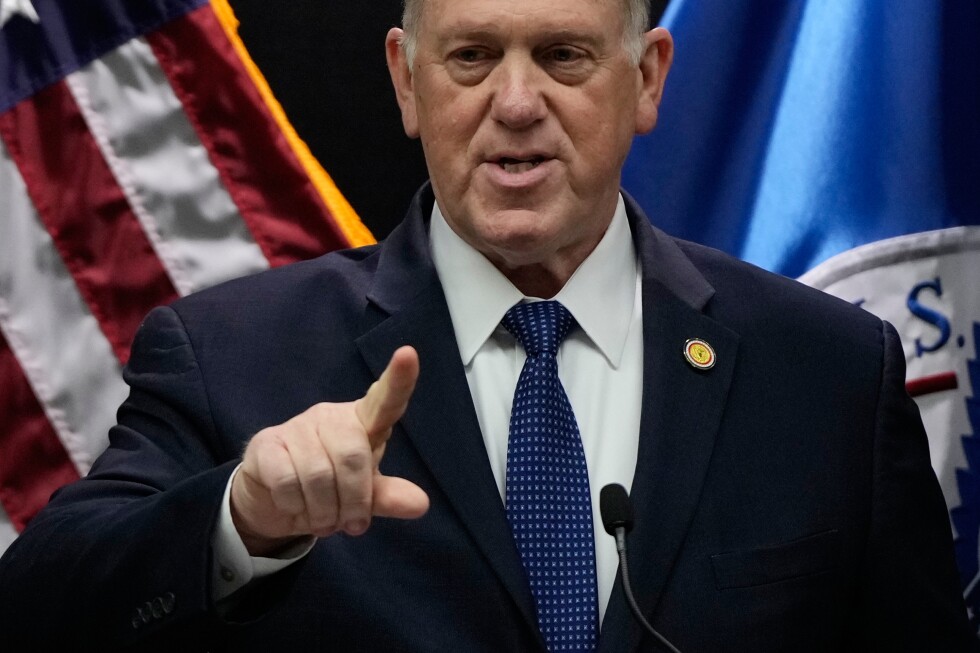
MINNEAPOLIS — The Trump administration has announced a reduction in the number of immigration officers stationed in Minnesota, though its enforcement efforts in the state will continue. This comes after weeks of escalating tensions and deadly confrontations, as confirmed by border czar Tom Homan on Wednesday.
Approximately 700 federal officers, equating to one-quarter of the total deployed in Minnesota, are set to be withdrawn immediately. This decision follows recent agreements by state and local officials to cooperate by handing over detained immigrants, Homan stated.
Despite the reduction, Homan did not specify when the enforcement operation, a significant point of contention in President Donald Trump’s mass deportation campaign, might conclude. The operation has been particularly contentious following the fatal shootings of Renee Good and Alex Pretti in Minneapolis.
Post-drawdown, around 2,000 officers will remain active in the state. This number is similar to the initial deployment in January when the Department of Homeland Security began what it termed its “largest immigration enforcement operation ever.”
Officers have encountered resistance from local residents, many of whom are dissatisfied with their aggressive methods. Homan indicated that a broader withdrawal will only occur if there is increased cooperation and a cessation of protester interference with federal arrests.
President Trump, speaking to NBC News, mentioned that the withdrawal was his directive, suggesting, “maybe we can use a little bit of a softer touch. But you still have to be tough.”
Local leaders, including Governor Tim Walz and Minneapolis Mayor Jacob Frey, have criticized the federal operation. They welcomed the reduction of 700 officers as a positive step but emphasized the need for a quicker and more substantial drawdown.
“We need a faster and larger drawdown of forces, state-led investigations into the killings of Alex Pretti and Renee Good, and an end to this campaign of retribution,” Walz shared on social media.
Vice President JD Vance clarified that the officers being recalled primarily served in Minneapolis to protect those executing arrests, affirming that immigration enforcement efforts are not being curtailed.
Federal-State Cooperation and Enforcement Dynamics
Trump’s border czar took over the Minnesota operation after the second fatality involving federal officers, amidst rising political backlash and scrutiny over the conduct of the operation.
Homan emphasized the need for state and local cooperation, particularly advocating for jails to inform Immigration and Customs Enforcement about deportable inmates. This would minimize the need for officers to locate individuals in the community, he argued.
Homan reported an “increase in unprecedented collaboration” that has allowed for the reduction of public safety officers in Minnesota, resulting in a safer environment.
While not specifying which jurisdictions are cooperating, White House press secretary Karoline Leavitt confirmed that the administration will monitor local commitments to ensure compliance.
Despite Minnesota officials claiming cooperation with immigration authorities, issues persist with the two county jails serving Minneapolis and St. Paul, which have not fully met ICE’s cooperation standards.
Operation’s Impact and Community Response
Homan affirmed the success of the operation in enhancing public safety by removing individuals wanted for violent crimes. However, he acknowledged imperfections in its execution.
He stressed that the withdrawal of some officers does not indicate a retreat from the administration’s deportation agenda, asserting, “You’re not going to stop ICE. You’re not going to stop Border Patrol.”
Legal Actions and Educational Disruptions
In response to the federal actions, two Minnesota school districts and a teachers’ union have filed a lawsuit seeking to prevent immigration enforcement near schools. They claim that these activities have disrupted education and endangered students.
The lawsuit argues that the operation represents a policy shift removing previous protections for “sensitive locations” like schools. Homeland Security’s spokesperson Tricia McLaughlin responded, stating, “ICE is not going to schools to arrest children — we are protecting children.”