Trump Administration Launches New Trade Investigation Post-Tariff Ruling
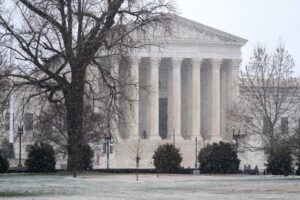
The Trump administration has initiated a new trade investigation concerning manufacturing in foreign countries. This step follows a Supreme Court decision that invalidated President Donald Trump’s previous tariffs, which were implemented under the guise of an economic emergency.
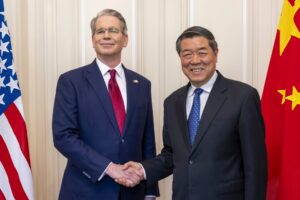
Following the Supreme Court’s ruling in February, the administration aims to recover the lost revenue from the overturned tariffs by leveraging alternative legal pathways to introduce new tariffs. The current investigation, initiated under Section 301 of the Trade Act of 1974, has the potential to culminate in new import taxes. U.S. Trade Representative Jamieson Greer, during a call with reporters, refrained from predicting the outcome of this process.
“The policy remains the same — the tools may change depending on, you know, the vagaries of courts and other things,” Greer stated, emphasizing the administration’s commitment to safeguarding American jobs.
The reinstatement process for Trump’s former tariffs could reintroduce the economic uncertainties experienced globally last year. The initial tariffs, now annulled, led to new trade frameworks with international partners. The potential impact of a new set of import taxes on these agreements remains uncertain. Greer noted that the existing trade frameworks stand independently of the ongoing investigation.
The new tariffs are being considered amidst a backdrop of geopolitical tensions in Iran and upcoming midterm elections, where Democrats are focusing on the public’s right to tariff refunds post-Supreme Court ruling.
The investigation will scrutinize excessive industrial capacity and government support that might provide foreign companies with an unfair advantage over their U.S. counterparts. Countries under examination include China, the European Union, Singapore, Switzerland, Norway, Indonesia, Malaysia, Cambodia, Thailand, South Korea, Vietnam, Taiwan, Bangladesh, Mexico, Japan, and India. The investigation will assess persistent trade surpluses with the U.S., subsidies, and labor wage suppression, among other factors.
Additionally, the administration is launching a Section 301 investigation aimed at banning imports produced through forced labor. Greer also mentioned potential further Section 301 investigations addressing digital service taxes, pharmaceutical pricing, and ocean pollution. Separate inquiries under Section 232 of the 1962 Trade Expansion Act are being conducted by the Commerce Department.
The administration faces a deadline to conclude its investigations, as the 10% tariffs on foreign goods, imposed under Section 122 of the 1974 Trade Act, will expire after 150 days on July 24. Although Trump has indicated plans to increase the import tax to 15%, no action has been taken yet.
Greer noted that the administration is working against the 150-day deadline to present “potential options” to Trump swiftly.
While the investigations are distinct from the trade frameworks announced last year that set baseline tariff rates, Greer acknowledged that these frameworks could influence the ongoing process. “My sense is that these countries continue to want to deal, and President Trump continues to want the deal,” Greer said, suggesting that commitments made under these frameworks might intersect with the Section 301 demands.