Trump Administration Seeks Supreme Court Ruling on Birthright Citizenship
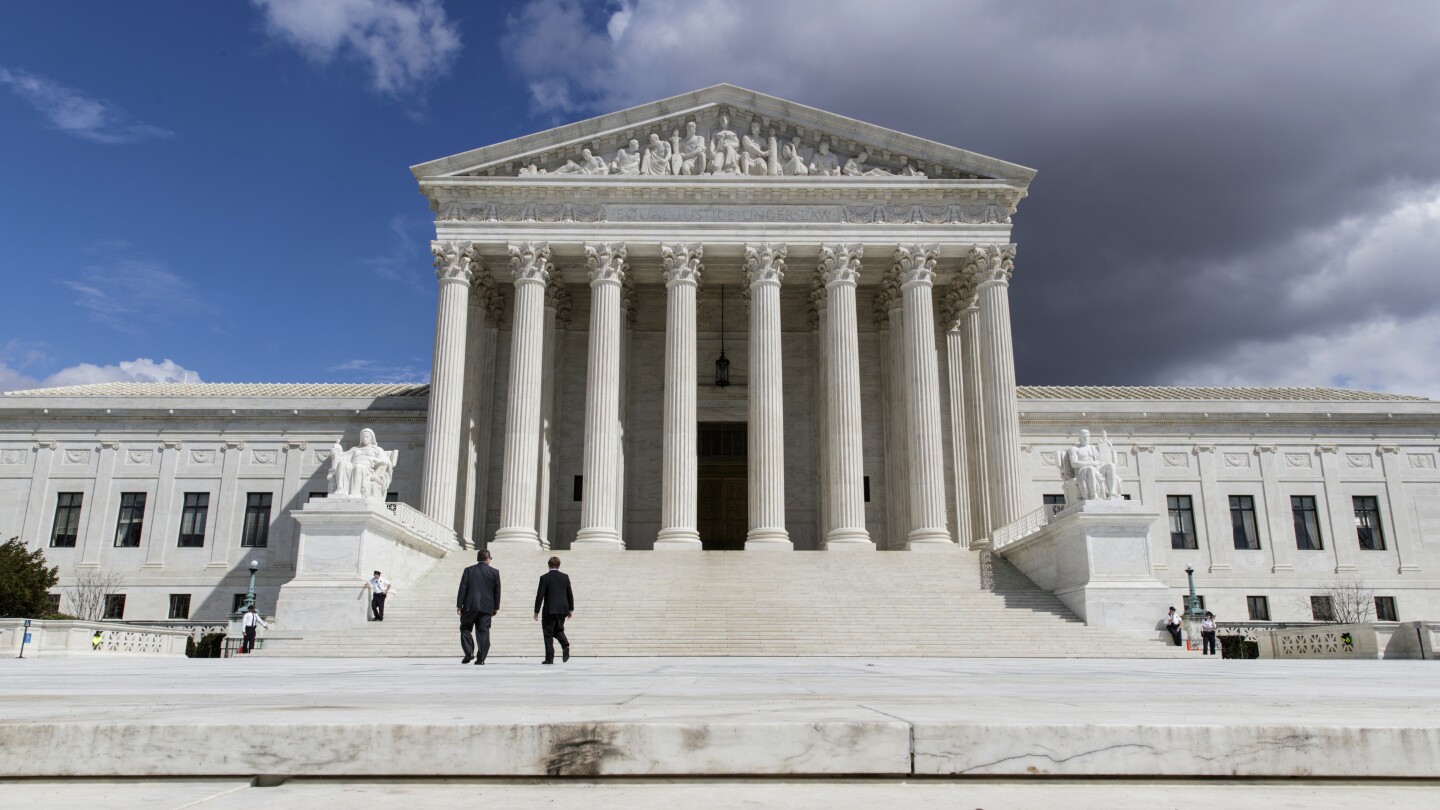
The Trump administration has moved to seek a Supreme Court ruling regarding its controversial birthright citizenship order. This order aims to exclude children born to parents who are temporarily in the United States or present unlawfully from automatically receiving American citizenship. This request was disclosed to The Associated Press on Saturday.
The administration’s appeal sets the groundwork for a potential Supreme Court decision by early summer. The focus is on whether the proposed citizenship restrictions align with constitutional guidelines. Currently, lower courts have blocked the enforcement of this order nationwide, and the administration is not requesting the Supreme Court to permit the restrictions to take effect before a ruling is reached.
While the petition has been circulated among legal representatives opposing the order, it remains to be docketed at the Supreme Court. A decision on whether the Supreme Court will hear the case is expected to take several months, with arguments possibly occurring in late winter or early spring.
Solicitor General D. John Sauer stated, “The lower court’s decisions invalidated a policy of prime importance to the president and his administration in a manner that undermines our border security.” He criticized these decisions for granting citizenship to “hundreds of thousands of unqualified people” without lawful justification.
Cody Wofsy, an attorney with the American Civil Liberties Union representing affected children, labeled the administration’s plan as unconstitutional. “This executive order is illegal, full stop, and no amount of maneuvering from the administration is going to change that. We will continue to ensure that no baby’s citizenship is ever stripped away by this cruel and senseless order,” Wofsy declared in an email.
President Trump signed this executive order at the onset of his second term, challenging over 125 years of constitutional interpretation that the 14th Amendment grants citizenship to all individuals born on U.S. soil, save for specific exceptions like children of foreign diplomats.
Despite a Supreme Court ruling in June that restricted judges from issuing nationwide injunctions, every lower court reviewing the matter has concluded that Trump’s order likely contravenes the 14th Amendment. This amendment was originally crafted to ensure citizenship for Black people, including former slaves.
The administration is currently appealing two cases related to this order. The U.S. Court of Appeals for the 9th Circuit concluded in July that a nationwide injunction was necessary to avoid inconsistencies across states in birthright citizenship enforcement. Additionally, a federal judge in New Hampshire blocked the order as part of a class-action lawsuit impacting all potentially affected children.
According to historical rules established shortly after the Civil War, birthright citizenship ensures that anyone born in the United States is automatically recognized as an American citizen, including those born to mothers who are in the country illegally. The administration argues that these children are not “subject to the jurisdiction” of the U.S. and, therefore, should not be entitled to citizenship.