Supreme Court Petitioned by Trump Administration on South Sudan Deportations
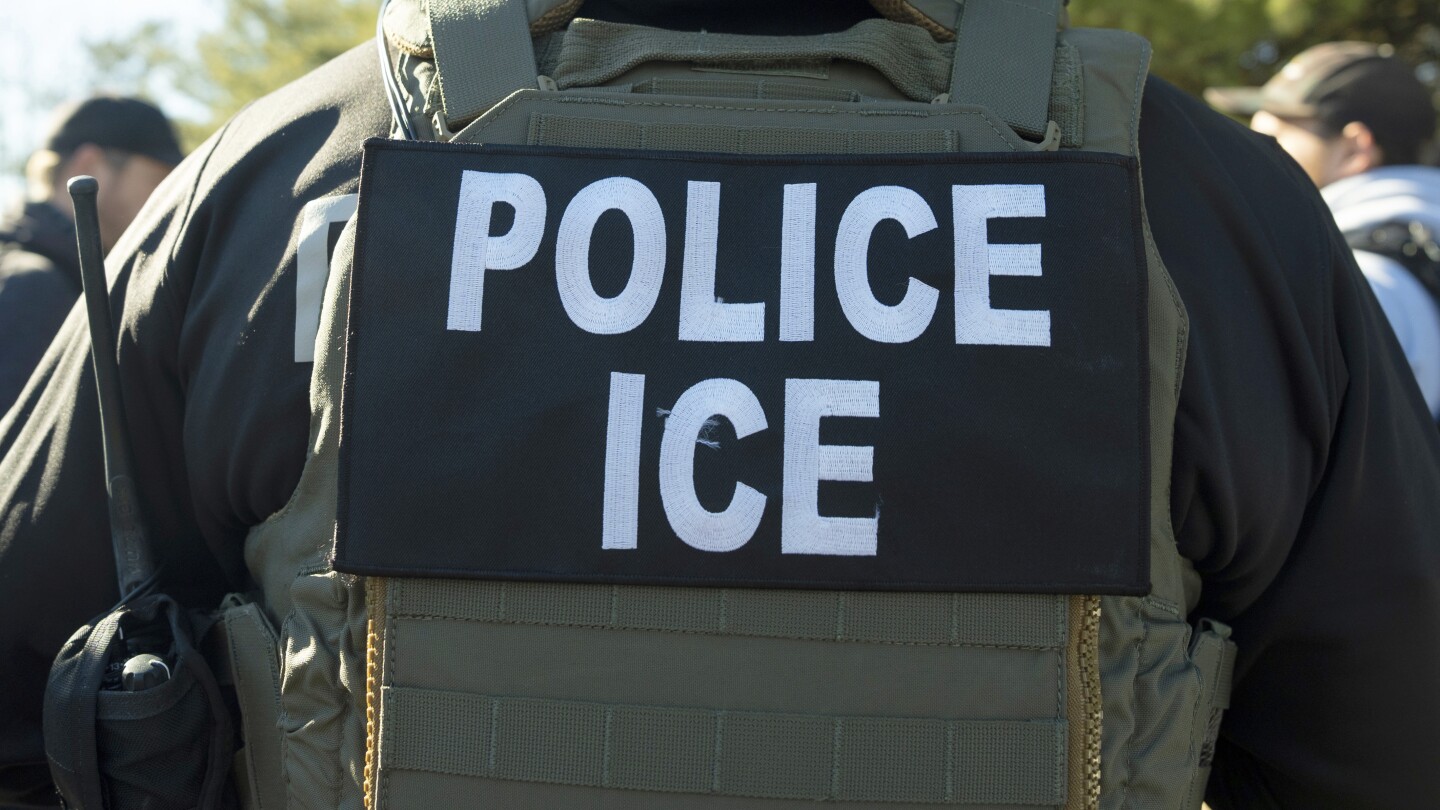
The Trump administration has approached the Supreme Court seeking approval for the deportation of several immigrants to South Sudan, a nation plagued by conflict and lacking connections for those being deported. This move follows a recent decision by the justices that allows immigration officials to resume expedited deportations to third countries, reversing a lower court’s decision that had permitted migrants to contest deportations to potentially dangerous nations.
In Boston, Judge Brian Murphy determined that a deportation flight rerouted to Djibouti in May could not proceed to South Sudan. Despite the Supreme Court’s decision suspending his previous ruling, Murphy maintained that the migrants should still have an opportunity to present their case in court, arguing they face the threat of torture if deported.
The Trump administration labeled Murphy’s decision as a “lawless act of defiance,” arguing in a court filing that it disrupts diplomatic relations and hinders the Executive’s legal efforts to implement third-country removals. Meanwhile, legal representatives for the migrants contend that deportees risk “imprisonment, torture, and even death” in South Sudan, a nation that has faced continuous violence since its 2011 independence and is on the verge of another civil war.
This legal maneuver is part of a broader immigration crackdown by the Republican administration, which has vowed to deport millions of undocumented individuals from the United States. Due to some countries refusing to accept deportees, the administration has secured agreements with nations like Panama and Costa Rica to accommodate these individuals.
While Judge Murphy, appointed by Democratic President Joe Biden, did not outright ban deportations to third countries, he did emphasize that migrants must be given a genuine chance to argue their case if they might face severe danger in another country. He noted that immigration officials had violated his order by hastily organizing a flight with eight individuals from various countries, including Myanmar, Vietnam, and Mexico, who were convicted of significant crimes in the U.S.
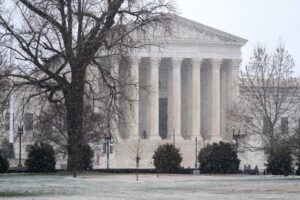
The administration’s subsequent appeal to the Supreme Court argued that the judge had overstepped his bounds. The conservative majority of the court agreed to pause the order, issuing a brief decision without detailed reasoning, as is customary with emergency docket cases. All three liberal justices dissented strongly.