The Trump administration has unveiled plans to initiate new oil drilling operations off the coasts of California and Florida, marking the first such initiative in decades. This move, announced on Thursday, has sparked concerns among critics about potential environmental and community impacts as President Donald Trump aims to bolster U.S. oil output.
Seeking to enhance U.S. energy security and job creation, the oil industry has long pursued access to offshore areas, including the Southern California and Florida coasts. Federal waters in the eastern Gulf of Mexico have been off-limits for drilling since 1995 due to oil spill concerns. While California hosts some offshore oil rigs, no new federal leases have been issued since the 1980s.
In his second term, President Trump has pivoted away from former President Joe Biden’s climate-focused policies, aggressively promoting what he terms U.S. “energy dominance.” Trump, who has controversially labeled climate change as “the greatest con job ever perpetrated on the world,” established the National Energy Dominance Council to expedite fossil fuel production, while simultaneously curbing support for renewable energy projects.
The plan has encountered bipartisan opposition in Florida. Republican Governor Ron DeSantis’s spokesperson urged the administration to reconsider, and Republican Senator Rick Scott insisted that Florida’s coastlines “must remain off the table for oil drilling.” California’s Democratic Governor Gavin Newsom criticized the proposal, branding it “idiotic.”
Proposals for New Drilling in California, Alaska, and Florida
The proposed plan includes six offshore lease sales along the California coast between 2027 and 2030. Additionally, it suggests new drilling 100 miles off Florida’s Gulf coast, in the newly designated South-Central Gulf region, differentiating it from the Eastern Gulf, where a drilling moratorium remains in effect. This alteration aims to alleviate concerns from Florida officials opposed to drilling near their tourism-centric shores.
The five-year plan also envisages over 20 lease sales off Alaska’s coast, including the High Arctic region, located more than 200 miles offshore. Interior Secretary Doug Burgum emphasized that it would take years for oil from these new leases to reach the market. “By moving forward with the development of a robust, forward-thinking leasing plan, we are ensuring that America’s offshore industry stays strong, our workers stay employed, and our nation remains energy dominant for decades to come,” Burgum stated.
The American Petroleum Institute hailed the plan as a “historic step” to unlock more offshore resources, noting California’s existing oil production infrastructure.
California and Florida Push Back
Senator Scott, who influenced the abandonment of a similar plan in 2018, and Republican Senator Ashley Moody recently introduced legislation to uphold the prior drilling moratorium. In response to the announcement, Governor Newsom pledged to protect California’s coastline, leveraging the state’s long-standing restrictions on offshore drilling, a stance galvanized by the 1969 Santa Barbara oil spill.
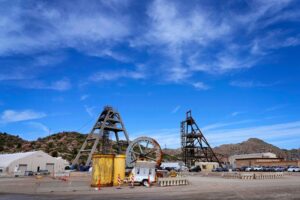
A Texas company, Sable Offshore Corp., with Trump administration backing, aims to resume production in waters off Santa Barbara, previously affected by a 2015 oil spill. Trump signed an executive order on his second term’s first day, reversing Biden’s ban on future offshore oil drilling. A federal court later nullified Biden’s order that had removed 625 million acres of federal waters from oil development.
Environmental and Economic Concerns
California and Florida lawmakers argue that new offshore drilling threatens coastal economies, national security, and ecosystems. “This is not just a little bit offshore drilling. This is the entire California coast, every inch of Alaska, even the eastern Gulf of Mexico,” said California Rep. Jared Huffman.
Florida lawmakers, including Rep. Jimmy Patronis, have asked Trump to withdraw certain Florida coast parcels from leasing, fearing interference with military training areas. The state is still recovering from the 2010 Deepwater Horizon spill, which caused extensive environmental and economic damage.
The Environmental Defense Center in Santa Barbara warned that the plan endangers the Santa Barbara Channel, a crucial habitat for endangered whale species. “There is no way to drill for oil without causing devastating impacts,” stated Maggie Hall, the group’s deputy chief counsel.