The University of Austin: A Tale of Ambition and Controversy
The University of Austin (UATX), a high-profile startup college housed in a former Texas department store, has drawn attention for its bold mission to revolutionize higher education in the United States. Supported by conservative figures such as Bari Weiss and Niall Ferguson, as well as a $200 million investment from billionaires like Jeff Yass, UATX has consistently emphasized its commitment to “the fearless pursuit of truth” and “freedom of inquiry,” according to its website.
However, the institution’s dedication to free speech has been called into question following an incident involving Ellie Avishai, a Harvard-educated co-founder of the Mill Institute. Avishai’s collaboration with UATX aimed to foster open dialogue in academic settings. Yet, her LinkedIn post, which suggested that criticisms of Diversity, Equity, and Inclusion (DEI) do not necessarily undermine the concept of diversity, led to an abrupt severance of ties with UATX. Her profile was subsequently removed from the university’s website.
Avishai’s experience highlights a broader tension between UATX’s proclaimed values and the political agenda of its financial backers, who appear to challenge “woke” ideologies and traditional elite universities. This contradiction was underscored in a segment on Fox & Friends, where UATX was praised as a “sanctuary of truth-seeking” despite host Brian Kilmeade’s assertion that “protests are essentially not allowed.”
The controversy surrounding UATX is emblematic of a larger crisis in American higher education, where free speech is perceived to be under threat. Critics argue that the university’s actions align with a broader movement to undermine the traditional role of universities as bastions of free expression and critical thought. This movement is reportedly supported by influential figures, including the President of the United States and other prominent political and financial elites.
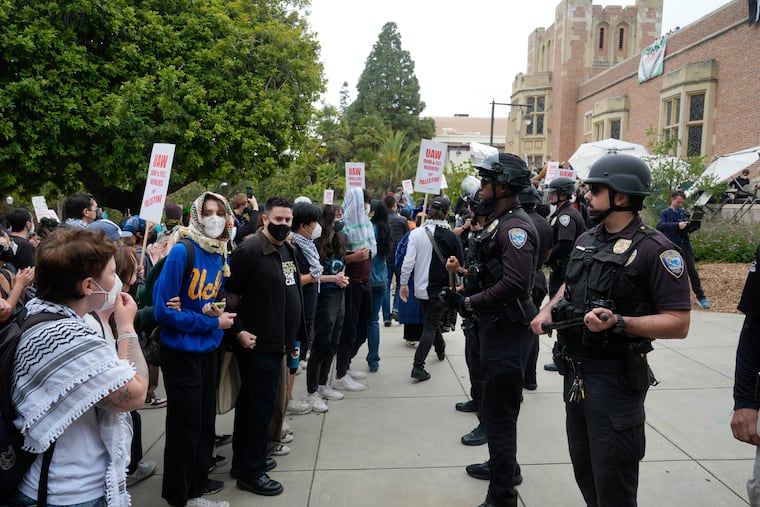
Across the country, restrictive policies and financial pressures are affecting campuses, with reports of curtailed academic freedom and the suppression of dissent. At public universities like the University of Florida and private institutions like New York University, administrators are accused of stifling open discourse in response to political and donor pressures.
Meanwhile, the Heritage Foundation’s Project Esther has been identified as a key player in efforts to suppress campus protests, leveraging accusations of antisemitism to silence critics. Stefanie Fox of Jewish Voice for Peace has condemned these tactics as authoritarian, warning of their potential to stifle legitimate dissent.
Despite isolated incidents of genuine antisemitism, critics contend that the broader campaign against free speech is driven by a desire to eliminate opposition to right-wing agendas, rather than genuine concern for Jewish communities.
The current climate of fear and repression on campuses poses a significant challenge to the future of academic freedom in the United States. Yet, recent acts of defiance, such as a commencement speech by George Washington University graduate Cecilia Culver, suggest a renewed spirit of resistance. Culver’s outspoken criticism of university policies and her call for Palestinian freedom were met with applause, signaling a potential resurgence of student activism.
The struggle for free speech and open inquiry in academia will require courage and solidarity from students and educators alike. As history has shown, the pursuit of truth and justice often demands great personal sacrifice.