Texas Voting Challenges Persist Amid New Legislation
Following the implementation of Senate Bill 1 in 2021, Texas voters faced significant hurdles during the 2022 midterm elections, with many still uncertain about the fate of their votes. The legislation introduced complicated voting rules, leaving numerous voters, including myself, unsure if our ballots were counted.
Senate Bill 1, enacted in 2021, brought forth a series of restrictions, notably enhancing penalties for those assisting in voting and curbing community and faith-based groups from conducting nonpartisan voter outreach. A particularly perplexing requirement was for voters to include either the last four digits of their driver’s license or Social Security number on mail ballot applications.
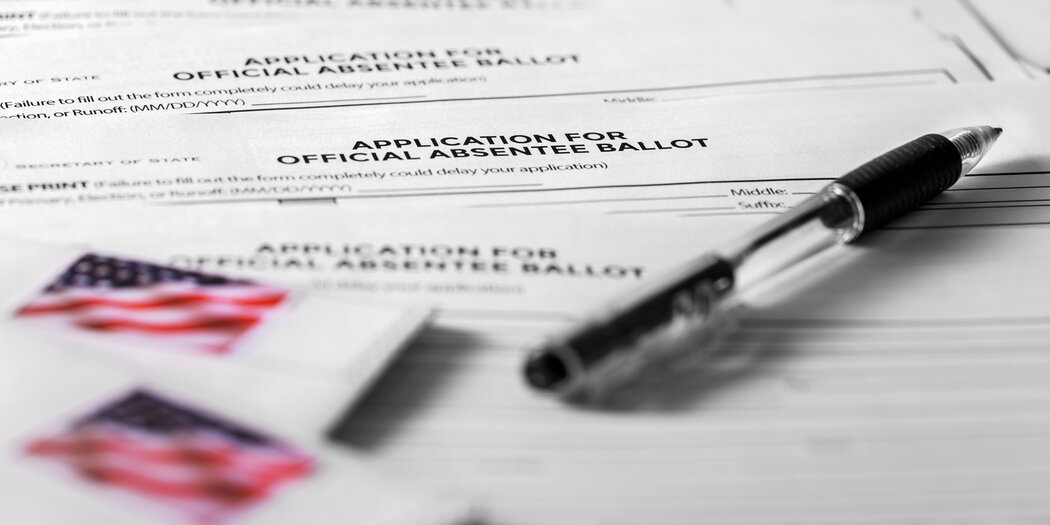
As a student from Comal County attending Bowdoin College in Maine, I opted to vote absentee by mail in Texas. I filled out my application using the last four digits of my driver’s license, only to discover later that it had to match the one I registered with, which I couldn’t recall.
My application was rejected due to a mismatch in identification numbers. Despite contacting the county clerk’s office, I received no clarity on which ID was on file. The office advised me to re-submit the application without specifying the correct identifying information.
Seeking advice online, I found social media users recommending the inclusion of both a partial Social Security number and driver’s license number as a precautionary measure. This approach was successful, but I received my mail ballot only on Election Day, forcing me to pay $50 to send it express for the next day’s deadline.
The ballot, as tracked through the shipping service, arrived late, leaving me unsure if it was counted. Many voters shared similar experiences, prompting my involvement in voting rights advocacy as an intern at the Brennan Center. Their research indicates that this new requirement resulted in significant disenfranchisement, with about 12,000 mail-in ballot applications and 25,000 mail-in ballots rejected in the March 2022 primary alone, disproportionately affecting voters of color.
The Brennan Center, alongside other organizations, has filed lawsuits against S.B.1, with a federal court striking down parts of the law earlier this year. However, the ruling is currently on hold pending appeals. These legal battles emphasize the ongoing relevance of the Voting Rights Act, enacted 60 years ago.
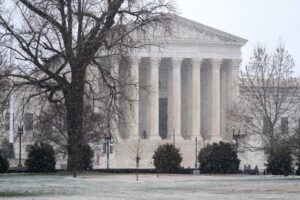
Despite the importance of the Voting Rights Act, the Supreme Court has weakened its provisions, complicating efforts to oppose voter suppression. It’s crucial for lawmakers to facilitate rather than hinder democratic participation.
Abigail Martin is a Brennan Center intern and a student at Bowdoin College.