Texas Supreme Court Decision Allows Execution to Proceed After Subpoena Attempt
AUSTIN, Texas — In a significant ruling, the Texas Supreme Court has determined that a legislative subpoena cannot be used to halt an execution. This decision follows an attempt by lawmakers from both parties to pause the execution of Robert Roberson, who they argue is innocent, through a novel legislative maneuver.
This ruling paves the way for Roberson’s execution to proceed. His execution was initially delayed when a bipartisan group of state House representatives issued a subpoena for Roberson, while he was awaiting execution, in an effort to buy him more time. The legislators argued that Roberson was convicted based on questionable evidence related to “shaken baby syndrome.”
Roberson, sentenced to death in 2003 for the death of his 2-year-old daughter Nikki Curtis, could become the first person executed in the U.S. over a conviction linked to “shaken baby syndrome.” This diagnosis has faced scrutiny from some medical experts. A new execution date has yet to be announced. The execution will proceed unless Governor Greg Abbott grants a 30-day reprieve, a move he has not made previously.
The Texas Supreme Court, composed entirely of Republicans, sided with Abbott’s office, stating the legislative committee lacked the power to interfere with the scheduled legal process leading to Roberson’s execution. Justice Evan Young, delivering the opinion, clarified that the committee’s authority does not extend to halting executions.
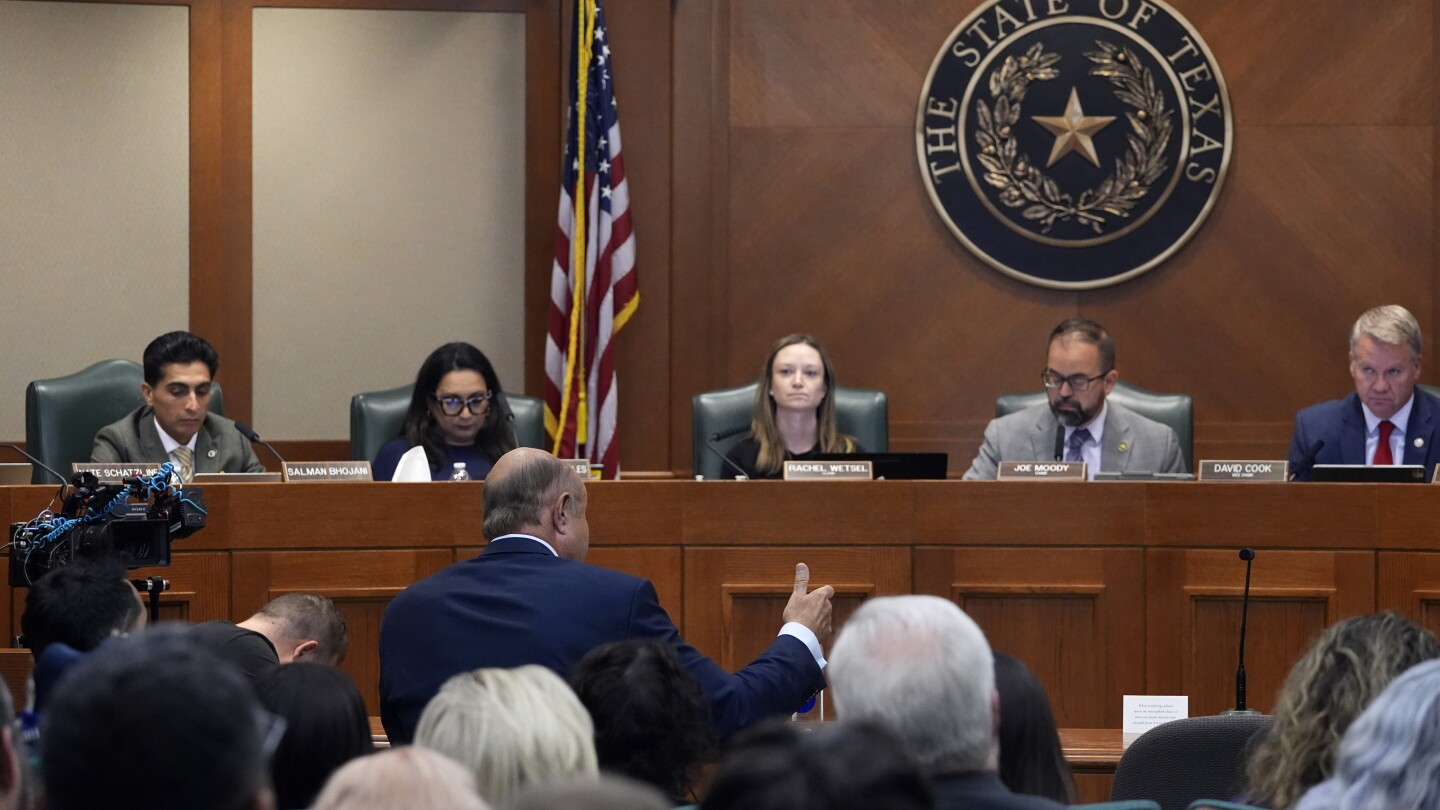
This decision addresses a subpoena issued by the Texas House Criminal Jurisprudence Committee, which sought to have Roberson testify at the Texas Capitol shortly after his scheduled execution date of October 17. This legal maneuver led to temporary support for Roberson from Texas’s highest civil court while the matter was under consideration.
Support for Roberson has come from both lawmakers and medical experts who question the validity of the evidence used to convict him. “Shaken baby syndrome” refers to a brain injury caused by violent shaking or impact. Representative Joe Moody, a proponent of halting the execution, noted that delaying the execution was not the initial goal and expressed satisfaction that the court acknowledged the validity of the subpoena and lawsuit.
Moody also maintained that Roberson should still be able to testify, stating that the court’s decision confirmed the committee could secure his testimony and expected cooperation from the executive branch.
Prosecutors accused Roberson of killing his daughter through violent shaking. In contrast, Roberson’s defense argued her symptoms were consistent with complications from severe pneumonia, not child abuse.
Roberson’s case has received backing from nearly 90 lawmakers and civil rights advocates who argue he is innocent and has not received a fair trial, as per Texas’s “junk science law.” This 2013 statute allows convictions based on outdated science to be overturned. However, advocates claim the law is underutilized by the state’s highest criminal court, particularly for those facing execution.
The Supreme Court clarified that its ruling did not assess Roberson’s guilt or innocence or the evidence’s validity, issues that remain under the jurisdiction of the criminal courts, which have previously denied his appeals.
Roberson may still testify to satisfy the subpoena, contingent on the attorney general’s office, which has previously blocked such efforts, according to his attorney, Gretchen Sween. “Whether the attorney general’s office will change its strategy and cooperate remains to be seen,” Sween remarked.
Prior to his original execution date, the parole board decided against recommending clemency for Roberson. Governor Abbott’s office criticized the lawmakers’ actions, suggesting they had overstepped their bounds by issuing the subpoena.