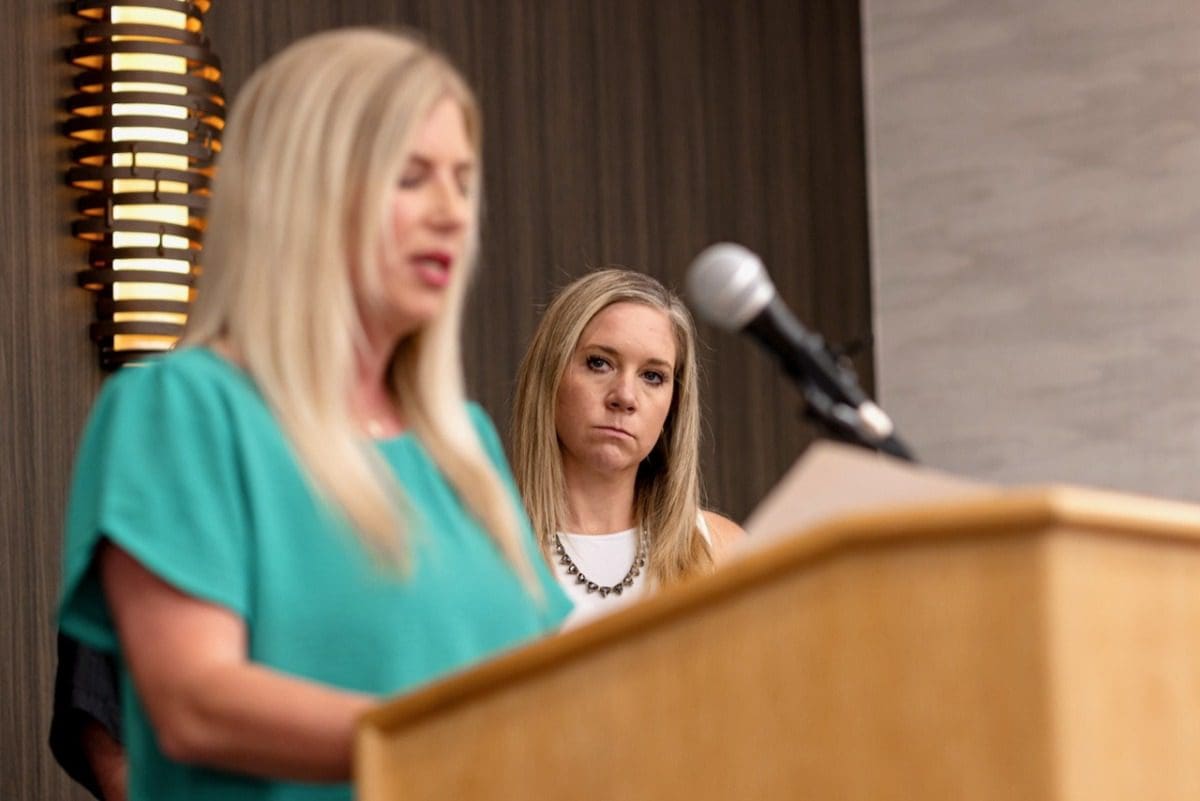
Controversial Texas Senate Bill Sparks Debate Over Abortion Laws
In late April, the Texas Senate approved a contentious anti-abortion bill, SB 2880, which could potentially lead to criminal prosecution of women seeking abortions, even if the procedure occurs out of state. The legislation has sparked significant debate over its implications and the revival of historical abortion laws.
Senator Carol Alvarado, a Democrat from Houston, highlighted a critical aspect of SB 2880 during a Senate debate on April 30. “The most egregious point of SB 2880 is that it quietly revives Texas’s pre-Roe abortion ban by explicitly incorporating the 1925 law into the bill’s definition of criminal abortion law,” she stated.
The inclusion of the 1925 law, which does not exclude women from prosecution and criminalizes those who assist abortion-related travel, has raised concerns about the potential criminalization of women seeking abortions in other states. Alvarado emphasized that this clause is unique to SB 2880 and does not appear in any other current Texas abortion laws.
The bill references the 1925 abortion ban twice, posing a legal threat to the approximately 35,000 Texas women who traveled out of state for abortion services in 2023. Violations of this ban could result in prison sentences ranging from two to five years.
Legal Perspectives and Implications
Elizabeth Myers, a Texas attorney, testified that SB 2880, along with its House companion bill HB 5510, could potentially reactivate a century-old abortion law deemed unenforceable by the Fifth Circuit Court of Appeals in 2004. “The 1925 ban does not exempt pregnant Texans from prosecution for obtaining an abortion,” Myers explained during a hearing for a related House bill.
Attorney General Ken Paxton has shown support for enforcing pre-Roe abortion statutes, stating on social media, “Texas’s pre-Roe statutes criminalizing abortion is 100% good law, and I’ll ensure they’re enforceable.”
SB 2880 is currently under consideration by a Texas House committee, with HB 5510 already receiving backing from a significant number of Republican co-sponsors.
SB 31 and the Maternal Health Crisis
The passage of SB 2880 follows the approval of SB 31, also known as the “Life of the Mother Act,” which aims to clarify when abortions can be performed to save a patient’s life. This bill received bipartisan support, with Rep. Donna Howard, an Austin Democrat, expressing that it could alleviate confusion among healthcare providers regarding medical emergencies.
Since the Texas Heartbeat Act of 2021, the state has seen a dramatic increase in maternal mortality by 56%, sepsis cases by 50%, and infant mortality by nearly 13%. This has intensified the urgency for legislative clarity on abortion-related medical procedures.
Howard acknowledged that while SB 31 is not a comprehensive solution, it is a necessary step to ensure the safety of Texas mothers. “We can’t let the perfect get in the way of the good…if this allows me to save the lives of Texas moms, I’m going to do that,” she stated.
Advocacy and Response
Public attention on the 1925 abortion law was heightened by the Zurawski v. Texas lawsuit, where plaintiffs, including Amanda Zurawski and Kaitlyn Kash, advocated for amendments to SB 31 to prevent criminalizing women seeking abortions. Their efforts led to changes in the bill, garnering appreciation from advocacy groups like Free & Just, formed by the plaintiffs to continue opposing restrictive reproductive health legislation.
However, attempts to remove references to the 1925 ban from SB 2880 were unsuccessful. Critics, including Sen. Sarah Eckhardt, view this as a regression. “A tiny step forward followed immediately by this staggering hurdle backwards,” Eckhardt commented.
Potential Outcomes of SB 2880
If enacted, SB 2880 could allow for the prosecution of women seeking out-of-state abortions and establish a legal bounty enabling private citizens to sue individuals suspected of aiding such actions. The bill also targets manufacturers and distributors of abortion medication.
Democratic legislators and advocates argue that the bill aims to isolate and penalize those seeking or assisting with abortion care, with Sen. Molly Cook urging for a focus on making pregnancy safe in Texas. “It is so unsafe to be pregnant in Texas,” Cook asserted, highlighting the heightened risks faced by pregnant women in the state.
Blake Rocap from the nonprofit Avow warned of the broader implications of the bill, suggesting it signals a warning about the anti-abortion movement’s intentions. “They are trying to stop pregnant people from getting the care they need,” Rocap stated, expressing concern over the potential misuse of the bill’s provisions.
—
Read More Kitchen Table News