Texas to Implement Law Restricting Public Drag Shows After Appeals Court Ruling
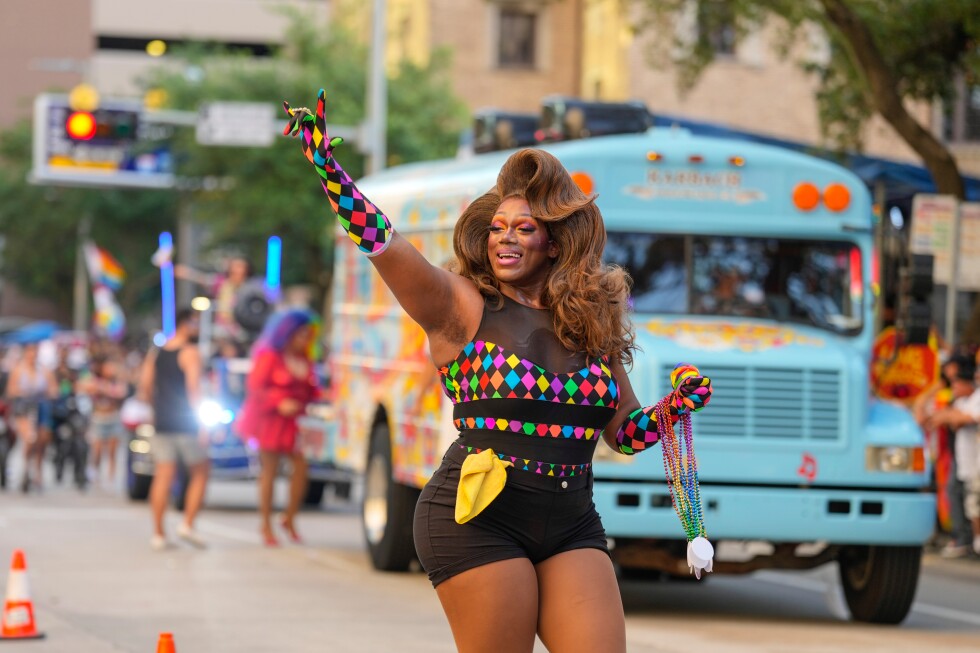
Texas is set to implement a law from 2023 that imposes restrictions on certain public drag performances, following the latest decision from a federal appeals court. The statute, known as Senate Bill 12 (SB 12), prevents drag performers from engaging in suggestive dancing or wearing specific prosthetics on public premises or in front of minors. Businesses hosting such performances could face fines of up to $10,000, and individuals might be charged with a Class A misdemeanor.
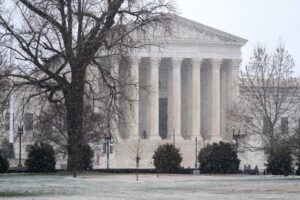
Initially, in September 2023, U.S. District Judge David Hittner ruled the law unconstitutional, citing it as an infringement on the First Amendment and cautioning it might unintentionally impact activities like live theater. However, a three-judge panel from the 5th U.S. Circuit Court of Appeals later unblocked the law in November and has now reaffirmed their stance by reissuing a similar ruling, despite requests for a rehearing from the plaintiffs. The law is scheduled to take effect on March 18, according to the American Civil Liberties Union (ACLU) of Texas.
The appeals court found that the majority of plaintiffs, including a drag performer and pride organizations, did not demonstrate any intent to host “sexually oriented performances,” suggesting that not all drag shows are considered sexually explicit by the judges. Critics have expressed concerns that the law portrays all drag events as inherently sexual, despite not explicitly mentioning drag performances in its wording. However, SB 12’s earlier drafts specifically targeted such performances.
Governor Greg Abbott highlighted the focus on drag shows, stating in a post on X, “Texas Governor Signs Law Banning Drag Performances in Public. That’s right.” The law identifies a performance as sexually oriented if it involves nudity or sexual conduct, including contact or simulated contact with another person’s buttocks, breast, or genitals, and must appeal to a prurient interest in sex to be deemed inappropriate.
One example cited by the appeals court involved a drag production company where performers engaged in actions that could be seen as sexually explicit. The court highlighted instances where performers wore revealing prosthetics and engaged in suggestive interactions with customers.
Judge Kurt Engelhardt, appointed by President Trump, noted concerns about whether certain actions are constitutionally protected, especially when minors are present. He was supported by Judge Leslie Southwick, while Judge James Dennis disagreed, arguing that the ruling contradicts established First Amendment interpretations.
The appeals court’s decision also removed several defendants from the case, referring it back to the district court to reassess the element of SB 12 related to the Texas attorney general’s enforcement role. Attorney General Ken Paxton expressed approval of the ruling, stating his commitment to protecting children from exposure to inappropriate performances and continuing to defend the law.
The ACLU of Texas, representing the plaintiffs, emphasized that family-friendly drag shows remain lawful and vowed to contest the legislation further. ACLU Texas attorney Brian Klosterboer stated, “The law’s vague and sweeping provisions still create a harmful chilling effect for drag artists and those who support them, while also threatening many types of performing arts cherished here in Texas, from theater to ballet to professional wrestling. Because this law remains unconstitutional, we look forward to continuing this case before the district court and encourage anyone who is impacted by the law to reach out to us. Drag in Texas is here to stay.”