Tariffs Influence Shift Toward Real Christmas Trees
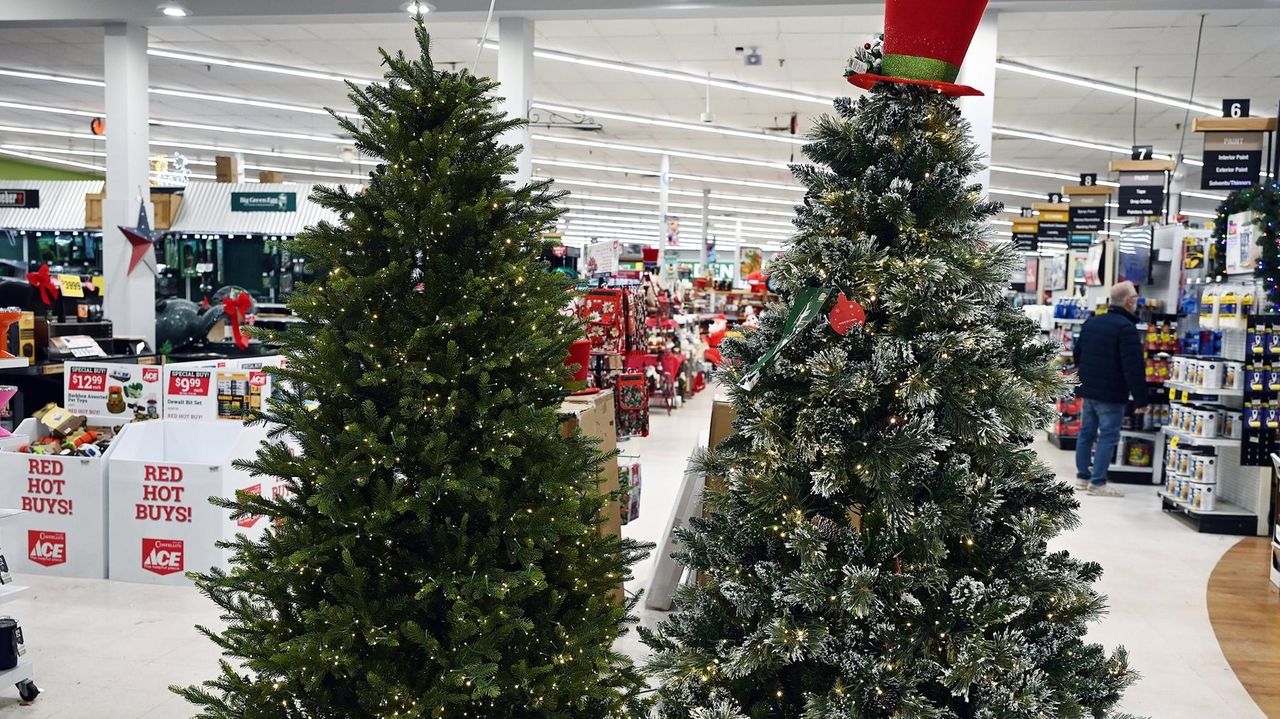
This year, consumers are increasingly opting for real Christmas trees, influenced by steep tariffs on imported artificial ones. Retailers, especially smaller ones, have reduced or eliminated orders for artificial trees to avoid transferring these costs to shoppers.
In Plainview, Trio Hardware’s Todd Kirschner decided against stocking artificial trees for the first time. “I can’t tell you the last time I ever sold out of a tree stand,” Kirschner commented, highlighting a notable rise in demand for real-tree stands.
Impact of Rising Costs and Limited Choices
According to Jami Warner, executive director of the American Christmas Tree Association, artificial trees and decorations have seen a 10% to 15% price increase this year. Small trees now cost between $60 and $100, whereas standard 6½- or 7-foot trees range from $150 to $250. Premium pre-lit trees with realistic foliage are priced between $250 and $500.
With China supplying approximately 87% of the artificial trees in the U.S., a new 30% tariff has significantly raised prices. Warner noted, “They had to pass some of the costs on [to consumers],” or risk business closure.
Tariff-related uncertainties have also led to reduced store inventories. Michael Costello, CEO of Costello’s Ace Hardware, explained that holiday orders placed in January are subject to duties upon arrival months later. “The unpredictability of exactly how much tariffs would impact cost created uncertainty,” Costello stated, mentioning that they have used domestic warehouse stock to address inventory shortfalls.
Costello further commented, “The result this year is a smaller overall assortment, fewer new and innovative choices, and less inventory depth. This was the trade-off for keeping retail prices in check.” Meanwhile, sales of real-tree stands at his stores have notably increased.
Consumer Behavior Shifts
Many consumers with older artificial trees are opting to reuse them to avoid current prices. Julie Liebow from Massapequa remarked, “I feel like I’m at the point now where I’d probably rather wait to the end of the season and buy one on sale than pay for a new one right now,” as her family’s tree remains in good condition.
Some have decided to make a switch to real trees. “I had seen artificial trees and I had seen the prices. It’s outrageous,” said Georgia Nagy from Merrick, who is considering a real tree for her grandchildren. She expressed a preference for the aesthetics and feel of real evergreens, regardless of cost.
Prospects for Real Trees
Real trees, mainly grown domestically with Oregon as the leading producer, are widely available. Marsha Gray, executive director of the Real Christmas Tree Board, indicated that while it’s premature to measure any tariff-related surge in real-tree sales, growers are ready for a robust season. According to a September survey by the board covering 43 wholesale growers, representing over half of the U.S. market, 84% do not intend to increase wholesale prices this year.