Supreme Court’s Decisions Under Scrutiny Amid Trump’s Presidency
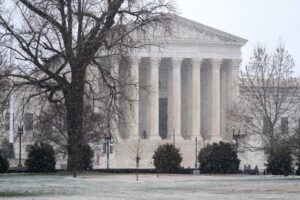
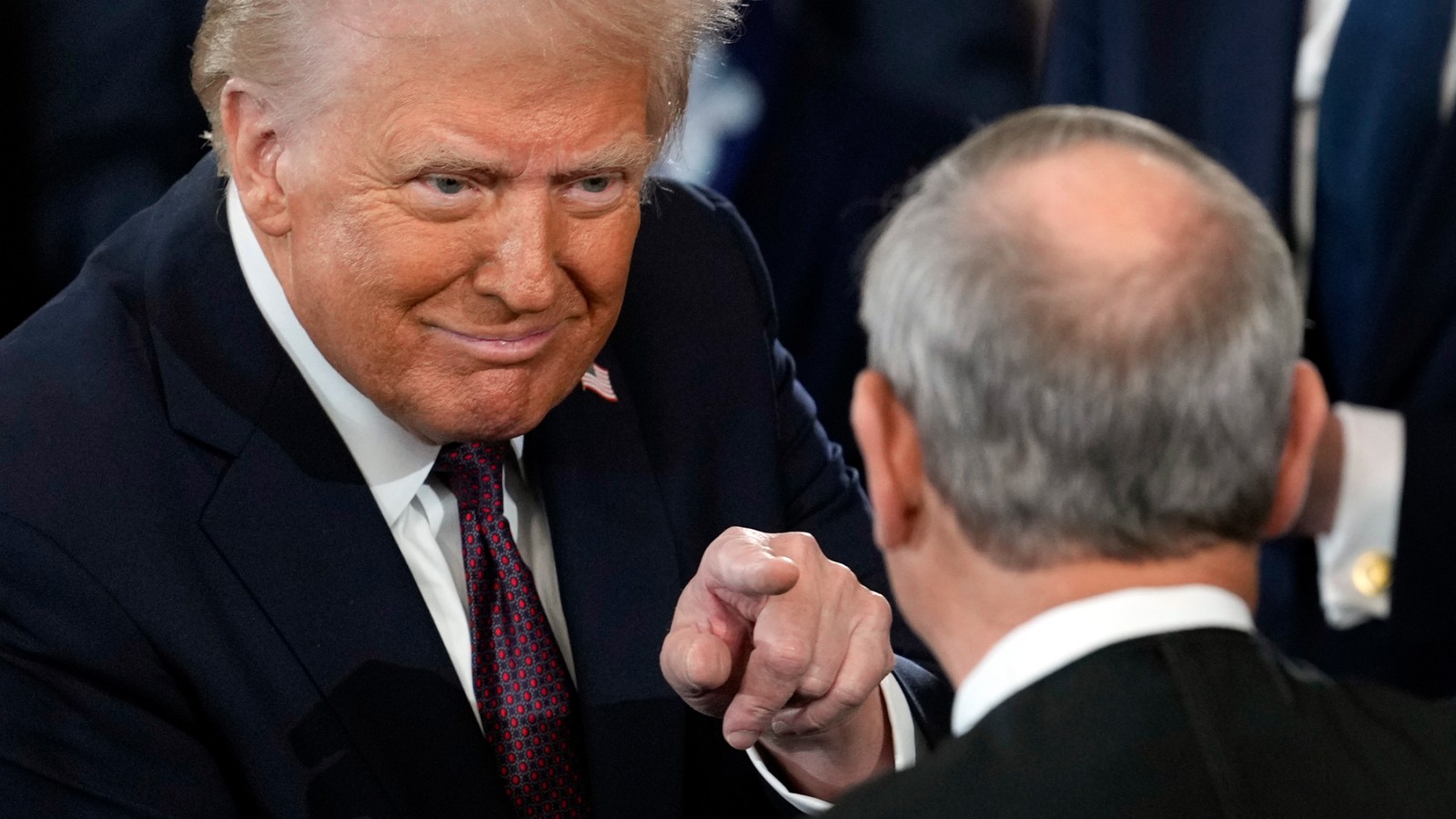
President Donald Trump’s term has been marked by a series of controversial decisions from the Supreme Court, which has shown a pattern of siding with the Trump administration in emergency cases. In 17 consecutive instances, the court granted emergency requests from the Trump Justice Department, overturning temporary blocks from lower courts, as noted by Georgetown Law professor Stephen Vladeck.
The Supreme Court’s decisions have facilitated the implementation of several policies under Trump’s Project 2025 agenda, including:
- Deporting noncitizens to war-torn nations like South Sudan, where they risk facing torture or death.
- Revoking temporary protected status for half a million noncitizens from countries such as Cuba, Haiti, Nicaragua, and Venezuela.
- Mandating widespread layoffs of federal employees.
- Weakening the Department of Education.
- Allowing access to millions of Americans’ private information by Trump’s Department of Government Efficiency.
- Removing transgender service members from the military.
- Illegally dismissing Democratic members from independent agencies like the National Labor Relations Board and the Consumer Products Safety Commission.
Chief Justice John Roberts, who has been a pivotal figure in the court, has been criticized for what some describe as appeasement of Trump’s agenda. Initially, Roberts condemned Trump’s calls to impeach judges who opposed him, emphasizing the role of the appellate review process. However, the Supreme Court’s emergency docket decisions often lack full briefings or oral arguments, raising questions about the court’s rationale and independence.
Justice Ketanji Brown Jackson has emerged as a vocal critic within the court, highlighting the real-world impacts of the majority’s decisions. In her dissents, she has accused the majority of being influenced by “moneyed interests” and criticized the court’s tendency to favor Trump’s legally questionable actions during emergencies. Her remarks have been supported by figures like Sen. Sheldon Whitehouse, who questioned the influence of billionaire interests over the court’s composition and decisions.
Justice Jackson’s opinions advocate for a pro-democracy approach, emphasizing the need for the court to respect legislative intent and enforce constitutional limits. She argues for a judiciary that serves as a check on executive overreach, especially during critical moments for the Constitution.
In essence, the current dynamics within the Supreme Court reveal a tension between preserving judicial power and respecting democratic principles, with Justice Jackson advocating for a judiciary that defers to the people’s will in the absence of clear constitutional or statutory mandates.