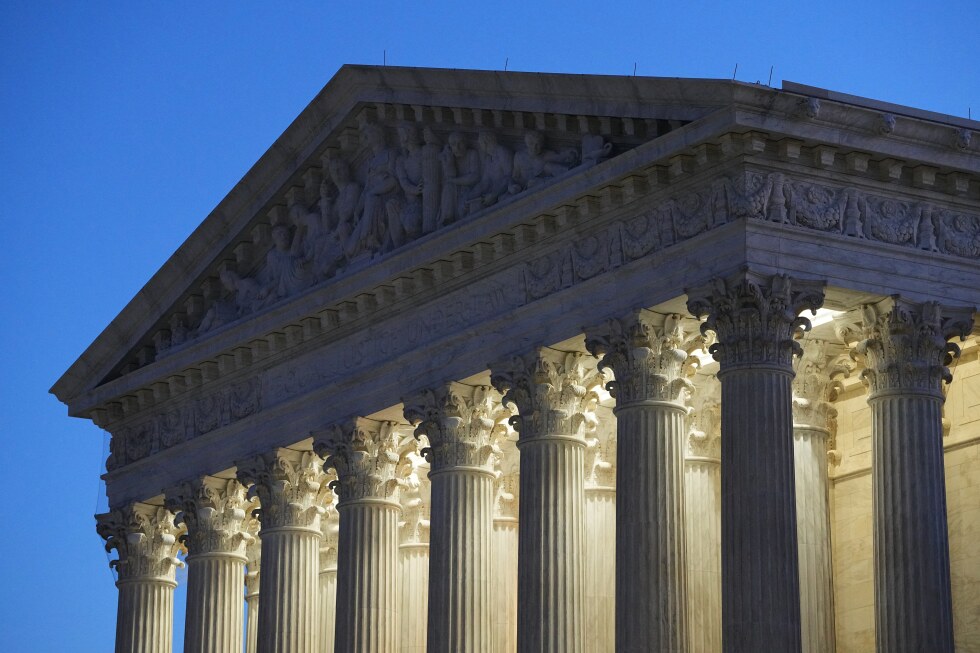
In the United States, the debate over birthright citizenship has reached the Supreme Court, with arguments set to be heard on a controversial executive order issued by President Donald Trump. The order, which was signed on January 20, 2025, aims to deny citizenship to children born in the U.S. to parents who are either illegally present or temporarily staying in the country.
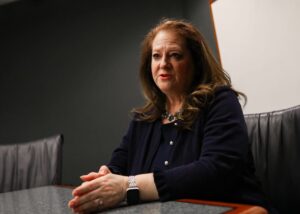
An Argentine immigrant, who chose to remain anonymous due to potential repercussions, detailed how she secured a U.S. passport for her newborn son shortly after his birth in Florida. Her actions underscore a common practice among immigrants who see citizenship as a critical shield for their children against uncertainties.
“I would say that I am definitely relieved that at least he is protected,” she expressed, emphasizing the importance of her son’s citizenship.
Legal Battle Over Birthright Citizenship
The Supreme Court is tasked with determining whether Trump’s executive order aligns with the 14th Amendment, which has historically guaranteed citizenship to anyone born on U.S. soil, barring exceptions for children of foreign diplomats or enemy forces. Lower courts have consistently ruled the order illegal, preventing its enforcement.
This case is part of broader immigration policies by the Trump administration, which include increased deportations and diminished refugee admissions. The high court’s decision could further define the extent of executive power in immigration matters.
Interpretation of the 14th Amendment
The crux of the legal dispute lies in the interpretation of “subject to the jurisdiction thereof” from the Citizenship Clause of the 14th Amendment. Trump’s order, supported by some conservative scholars, argues that this phrase excludes children of those in the U.S. illegally or temporarily from automatic citizenship.
Solicitor General D. John Sauer compared the case to landmark decisions like Brown v. Board of Education, which ended school segregation, and the Heller decision affirming the right to gun ownership. The administration seeks to redefine long-standing constitutional interpretations.
Justice Sonia Sotomayor previously criticized the administration’s stance, stating it contradicted constitutional text, history, and legal precedents.
Impact and Opposition
Advocates against the executive order, including the American Civil Liberties Union, argue that the president’s reinterpretation of citizenship is unfounded. Cecillia Wang, ACLU legal director, will argue against the executive order, which could affect over 250,000 U.S.-born babies annually.
The order not only targets illegal immigration but also affects those legally present, such as students and green card applicants, broadening its impact.
The Argentine woman recounted her concerns during her pregnancy, particularly after a court ruling in June that suggested the order could take effect. However, further court decisions have kept it on hold pending the Supreme Court’s review.
Despite political uncertainties, she remains committed to staying in the U.S., saying, “And so nothing that happens, politically or otherwise, would have changed my views of the country, I mean, because it gave me the most beautiful thing I have today, which is my family.”
For ongoing coverage of the Supreme Court’s activities, visit AP News on the U.S. Supreme Court.