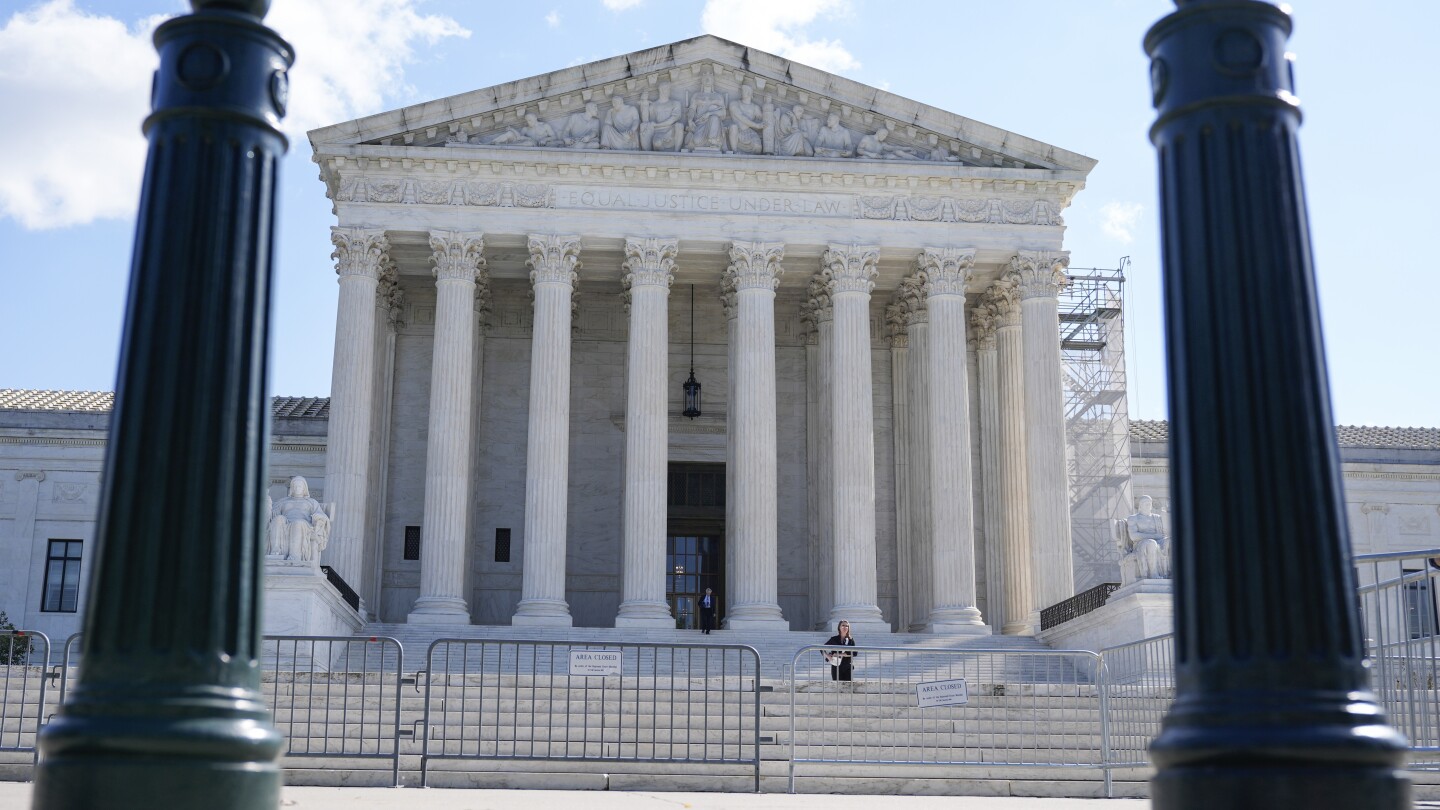
Supreme Court to Review South Carolina’s Medicaid Funding Cut to Planned Parenthood
The U.S. Supreme Court has announced its decision to review a case involving South Carolina’s attempt to cut Medicaid funding to Planned Parenthood. This decision arrives shortly after the court’s notable overturning of Roe v. Wade, marking another significant abortion-related case under consideration.
At the heart of the case is South Carolina’s appeal against a lower court’s ruling, which revolves around the rights of Medicaid patients to select their qualified healthcare providers and the potential to sue if those rights are infringed. The Supreme Court is set to hear arguments in the spring.
In 2018, South Carolina aimed to halt funding to Planned Parenthood. Although Medicaid funds are allocated by Planned Parenthood for family planning and health services, Governor Henry McMaster argued that any state funding indirectly supports abortion services.
Medicaid, a joint federal and state program, does not cover abortion services unless the mother’s life is at risk or in cases of rape or incest. Planned Parenthood has reported receiving less than $100,000 from South Carolina for their operations. The state is among several conservative states seeking to reduce or eliminate public funding for Planned Parenthood, the largest provider of abortion services in the U.S.
However, the 4th U.S. Circuit Court of Appeals blocked South Carolina’s move following a legal challenge from Planned Parenthood and a patient. The court ruled that federal law permits Medicaid patients to choose their healthcare providers and allows them to sue if denied this choice.
Planned Parenthood’s services extend beyond abortions to include birth control, cancer screenings, and STD testing. Their two South Carolina clinics cater to hundreds of Medicaid-covered patients annually.
South Carolina enforces an abortion ban after approximately six weeks of pregnancy, with a few exceptions. Following the Supreme Court’s decision to overturn abortion rights, many Republican-led states have enacted more restrictive abortion laws.
“South Carolina is free to use its limited funding to subsidize life-affirming care,” stated John Bursch, an attorney representing the state from the Alliance Defending Freedom group. He noted discrepancies in the rulings of other appeals courts, underscoring the importance of Supreme Court intervention.
Planned Parenthood opposed the Supreme Court’s review of the case, arguing that its affiliates deliver essential medical care to low-income individuals, and the law supports patients’ rights to sue if deprived of access.
“The case is ‘politics at its worst,'” remarked Jenny Black, president and CEO of Planned Parenthood South Atlantic, which operates the clinics in South Carolina. She emphasized, “Everyone should be able to access quality, affordable health care from a provider they trust.”