Supreme Court to Address Trump Administration’s Effort to Halt Legal Protections
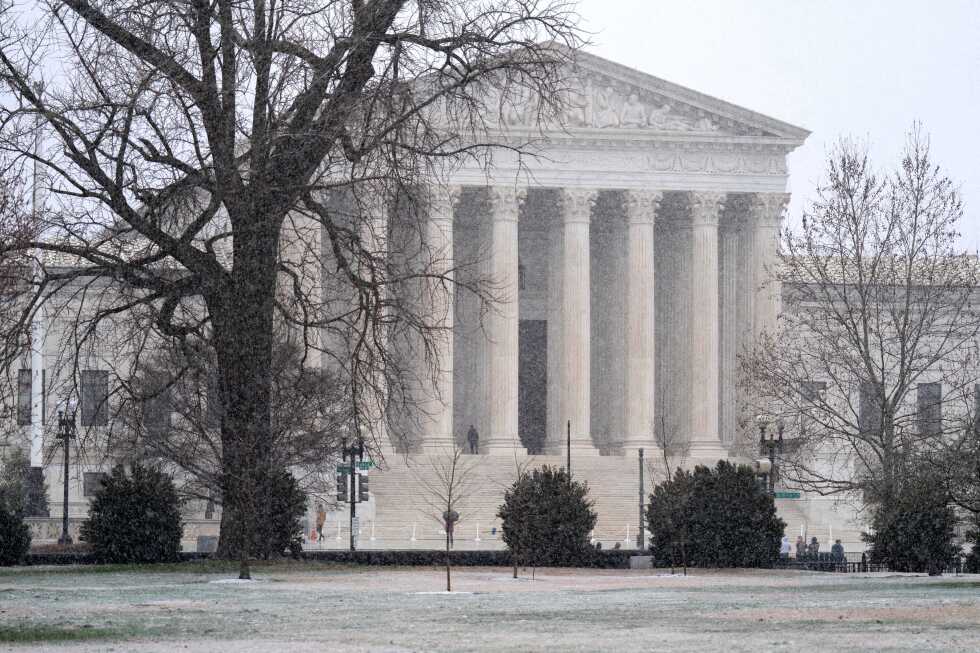
The United States Supreme Court is set to deliberate on the Trump administration’s initiative to revoke legal protections for individuals escaping conflict and natural disasters from various nations, such as Haiti and Syria. The court, however, chose not to immediately withdraw these protections, enabling numerous individuals to continue residing and working in the U.S. legally amid a broader immigration crackdown.
The high court will hear the case in April, a notably expedited timeline, with an anticipated decision following shortly thereafter. Previously, the conservative-majority court permitted the cessation of temporary legal status for 600,000 individuals from Venezuela, despite ongoing legal challenges, making them vulnerable to deportation.
Following lower court rulings that blocked the immediate termination of the protection program for 350,000 Haitians and 6,000 Syrians, the Trump administration filed emergency appeals. The administration seeks a comprehensive ruling to prevent judicial intervention when the Department of Homeland Security (DHS) decides to end these protections.
The Justice Department has argued that the DHS possesses exclusive authority over the temporary program. Solicitor General D. John Sauer emphasized, “Lower courts are again attempting to block major executive-branch policy initiatives in ways that inflict specific harms to the national interest and foreign relations.” Meanwhile, immigration lawyers contend that the affected countries remain in crisis, rendering safe return implausible.
Haiti is described as being in turmoil, with rampant violence and shortages of essential resources, as evidenced by reports of four Haitian women found dead after deportation. Syrians, while temporarily assured of continued protection, express disappointment over the court’s decision to expedite the case before lower courts reach a conclusion.
Judicial bodies in New York and Washington, D.C., have postponed the termination of protections, with findings suggesting potential racial bias in the decision-making process. The protections for Haitians, initially granted post-2010 earthquake, have been extended multiple times due to persistent gang violence, which has displaced over a million people.
Similarly, Syrians were granted protection in 2012 amid a prolonged civil war, which concluded with the fall of President Bashar Assad in late 2024. Temporary Protected Status (TPS), established by Congress in 1990, aims to prevent deportations to nations experiencing dire conditions. It permits individuals to live and work legally in the U.S. without offering a direct path to citizenship.
Since returning to office, the Republican administration under Donald Trump has moved to discontinue the program for individuals from several nations, citing improvements in conditions within those countries and denying any racial bias in its decisions.