The Supreme Court Invalidates Trump’s Global Tariffs
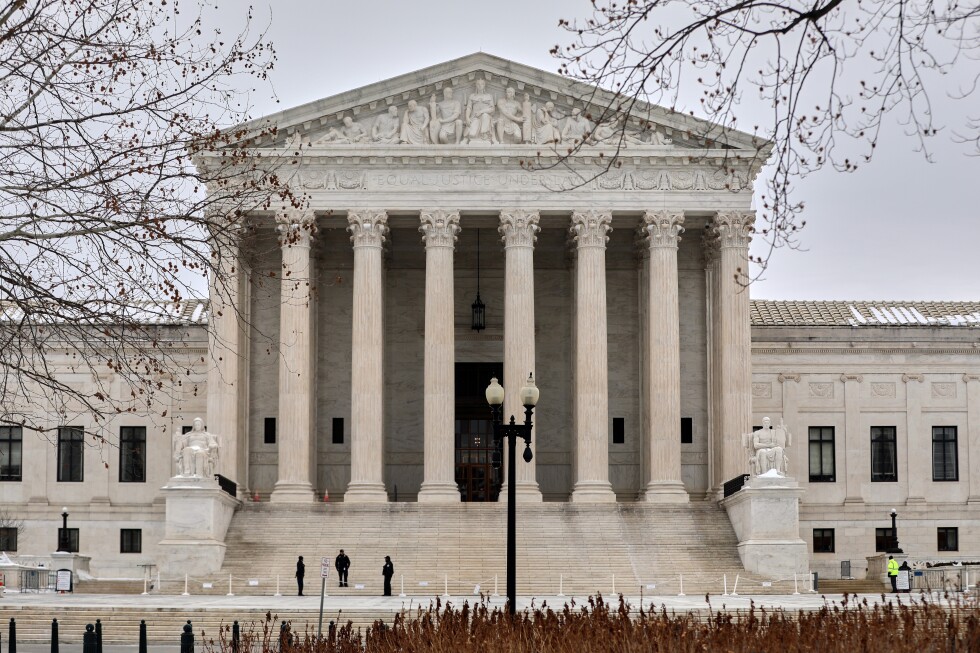
The United States Supreme Court has invalidated the comprehensive global tariffs imposed by former President Donald Trump, marking a significant defeat for a key element of his economic strategy. The 6-3 ruling focused on the tariffs established under emergency powers, which included broad “reciprocal” tariffs applied to almost every nation.
This decision represents the first time a substantial part of Trump’s agenda has been directly addressed by the Supreme Court, which he influenced significantly by appointing three conservative justices during his tenure.
The majority opinion, authored by Chief Justice John Roberts, declared it unconstitutional for the president to unilaterally impose and adjust tariffs, highlighting that the power to tax is vested in Congress. “The Framers did not vest any part of the taxing power in the Executive Branch,” Roberts stated.
In dissent, Justices Samuel Alito, Clarence Thomas, and Brett Kavanaugh argued for the legality of the tariffs. Kavanaugh noted, “The tariffs at issue here may or may not be wise policy. But as a matter of text, history, and precedent, they are clearly lawful.”
Following the ruling, President Trump described the decision as “a disgrace,” according to a source privy to a private discussion he had with governors.
The Supreme Court’s decision did not address the potential refunds for billions paid in tariffs by companies, some of which, like Costco, are already seeking compensation through lower courts. Kavanaugh acknowledged the likely complexity of this process.
The Treasury Department had collected over $133 billion from these tariffs by December, with an estimated economic impact of $3 trillion over the next decade. The ruling does not prevent Trump from using other legal avenues to impose tariffs, although these come with more restrictions.
Neal Katyal, representing small businesses challenging the tariffs, hailed the decision as a victory, emphasizing the reaffirmation of Congress’s authority to tax. “It’s a reaffirmation of our deepest constitutional values and the idea that Congress, not any one man, controls the power to tax the American people,” he said.
The implications of the ruling on future trade agreements remain uncertain. European Commission spokesperson Olof Gill indicated ongoing communications with U.S. authorities as they seek clarity on subsequent steps, while continuing to advocate for reduced tariffs.
Despite several short-term wins on the court’s emergency docket, this decision marks a setback for Trump’s use of executive power. Legal opposition to the tariffs has spanned the political spectrum, including groups generally aligned with the GOP.
The Trump administration had utilized a 1977 law allowing presidential regulation of imports during emergencies to justify the tariffs, a first for import duties. However, the court majority, citing the major questions doctrine, rejected this approach, emphasizing that Congress must explicitly authorize actions of significant economic impact.
Chief Justice Roberts dismissed the argument that tariffs are different due to their foreign affairs implications, which the administration had used to justify the actions.
The ruling was met with approval from small businesses like Scottish Gourmet, whose owner, Ann Robinson, expressed relief. The UK goods tariffs had previously strained her business. Robinson plans a celebratory sale, indicating immediate optimism despite uncertainty about future tariffs.