U.S.-China Relations Affected by Supreme Court Ruling on Tariffs
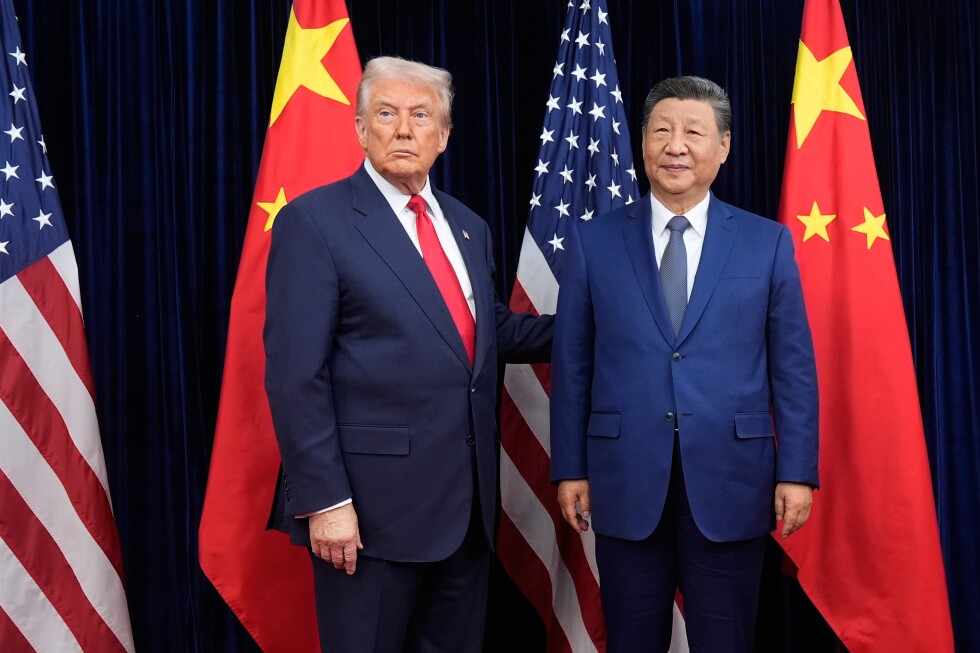
The recent U.S. Supreme Court decision overturning President Donald Trump’s extensive tariffs has introduced new complexities in U.S.-China relations. This development comes amid ongoing efforts by both nations to manage tensions without inciting a full-scale trade war that could destabilize the global economy. The ruling appears to favor China, but experts suggest Beijing may proceed cautiously, aware of Trump’s potential alternative strategies for imposing taxes.
Analysts predict that China will seek to preserve the delicate trade truce and bolster ties in anticipation of Trump’s upcoming visit to Beijing. Sun Yun, director of the China program at the Stimson Center, noted, “It will give China a moral boost in their negotiations with Trump’s team ahead of the summit, but they are prepared for the scenario that nothing actually changes in reality.”
In response to the ruling, Trump expressed his anger by announcing a temporary 10% global tariff, which he later increased to 15%, while exploring other avenues for import duties. Trump argues that tariffs are necessary due to China’s significant trade surpluses with the U.S., which he claims have bolstered China’s military capabilities. He stated, “China had hundreds of billions of dollars in surpluses with the United States. They rebuilt China. They rebuilt the army. We built China’s army by allowing that to happen.”
Beijing’s Strategic Approach
China appears to be taking a strategic approach, with President Xi Jinping unlikely to aggressively leverage the Supreme Court ruling in discussions with Trump. Ali Wyne of the International Crisis Group suggests that Xi will likely focus on strengthening his relationship with Trump, which could solidify the fragile trade truce and potentially lead to security concessions from the U.S. that benefit China in Asia.
The Chinese Embassy has echoed the sentiment that tariff and trade wars are detrimental to both countries, urging for cooperative efforts to enhance economic and trade stability. Meanwhile, the court’s decision introduces uncertainty for other U.S. trading partners, particularly in Asia, where existing agreements may be reassessed in light of the ruling.
Trump’s Next Moves
Despite the setback, Trump retains options to impose tariffs. Previously, he employed emergency powers to enact tariffs on Chinese goods due to concerns over chemical flows. This authority has allowed for significant reciprocal tariffs, which Beijing has countered, resulting in temporary spikes in tariff rates before both sides de-escalated.
Following trade discussions and a summit between Trump and Xi in South Korea, both nations agreed on a one-year truce involving a 10% baseline tariff. This agreement also saw a reduction in the fentanyl-related tariff to 10% as China resumed cooperation in limiting certain substance exports.
Wendy Cutler from the Asia Society Policy Institute suggests the Trump administration may have a contingency plan, possibly involving an investigation into China’s adherence to past trade agreements. This could serve as a basis for implementing new tariffs if China is found to be non-compliant.
Rep. Ro Khanna has called for a revised strategy that holds China accountable for unfair trade practices and enhances collaboration with allies. Meanwhile, Gabriel Wildau of Teneo highlights Trump’s readiness to utilize other legal measures to impose tariffs, indicating that Beijing might expect the continuation or re-imposition of tariffs with minimal difficulty.
Wildau added, “But Beijing also holds out hope that they can persuade Trump to lower this tariff in exchange for purchase guarantees or other concessions.”
“`