Supreme Court Ruling Extends Presidential Authority
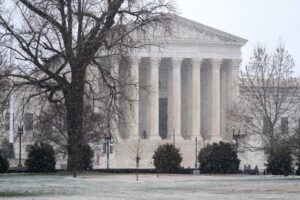
In a landmark decision, the Supreme Court has expanded the powers of the presidency, a move that has sparked widespread discussion and debate. This decision, rendered by the nation’s highest court, effectively provides the president with greater leeway in certain legal contexts, potentially altering the balance of power within the federal government.
The ruling stems from a case that questioned the limits of executive authority. Legal experts have described the decision as one that could pave the way for future presidents to exercise increased discretion in their actions. Critics argue that this could enable potential overreach, while proponents believe it allows for necessary flexibility in governance.
A key element of the court’s ruling focused on the interpretation of executive powers as outlined in the Constitution. Justices weighed in on how these powers should be applied in contemporary scenarios, reflecting on historical precedents and the intentions of the framers. The decision reflects a judicial perspective that recognizes the evolving nature of governance and the unique challenges faced by modern administrations.
By extending what some see as a “longer leash,” the court has set a precedent that could influence how future presidents navigate the legal landscape. This development has prompted both concern and support from various political and legal circles, highlighting the complexities of maintaining checks and balances in government.
As the ramifications of this decision unfold, it remains to be seen how it will impact the presidency and its relationship with other branches of government. Observers and stakeholders from across the political spectrum will be closely monitoring how this expanded authority is exercised in practice.