Supreme Court Deliberates on Trump Tariffs with No Quick Verdict in Sight
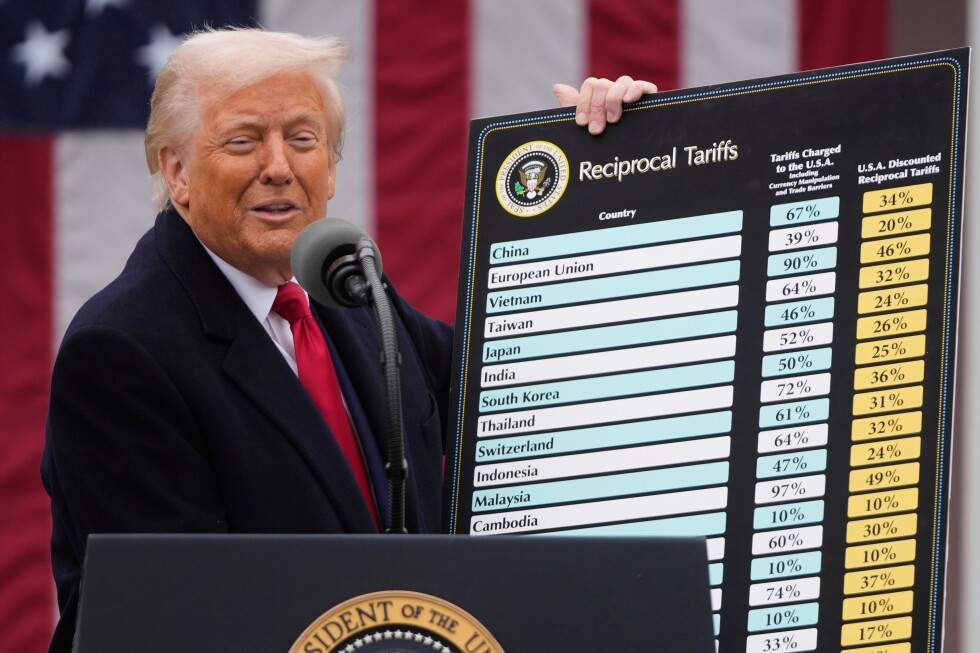
The Supreme Court’s expedited review of former President Donald Trump’s tariffs initially suggested a swift decision might follow. With the tariffs being a significant aspect of Trump’s economic strategy, his legal team emphasized the need for urgency. Treasury Secretary Scott Bessent had warned that delays could heighten the risk of economic upheaval.
Despite these urgencies, it’s been nearly three months since the case was argued, and the justices won’t reconvene publicly for several weeks. The timeline for the decision appears to align with typical case proceedings, indicating a potential back-and-forth among the justices, some of whom questioned the tariffs’ legality during November’s hearings.
Speculation exists as to why the decision is pending, but few believe the justices are intentionally postponing a ruling against Trump. Jonathan Adler, a law professor at the College of William & Mary, remarked, “People suspect this kind of thing from time to time, but I am not aware of instances in which we have more than speculation.”
Attorney Carter Phillips, who has extensive experience before the court, suggested the delay might be due to a closely divided court where a pivotal vote remains uncertain. Even if a majority opinion is nearly finalized, dissenting opinions could further prolong the process.
Historical data compiled by Adam Feldman of Empirical SCOTUS shows that the average time for Supreme Court opinions over the past two decades is slightly over three months. However, recent trends indicate a longer timeline, with many decisions released in June.
Cases with strict external deadlines, such as Bush v. Gore in 2000, can be resolved swiftly. Conversely, cases like Gundy v. U.S. in 2018 took over eight months for a decision, highlighting the variability in turnaround times.
Meanwhile, other high-profile cases, including those on gun rights, Roe v. Wade, and affirmative action, have also taken six to eight months to conclude post-argument. Another major case concerning redistricting in Louisiana and the Voting Rights Act remains unresolved.
The urgency surrounding the tariffs case stems from the real-time impact of the Trump administration’s policy, which has had mixed outcomes. Marc Busch, a Georgetown University expert on international trade policy, noted, “Like many, I had hoped that the Supreme would rush the decision out. But it’s not a surprise in the sense that they have until June and lots of issues to work through.”
This case involves intricate separation of powers questions, and the justices are expected to carefully draft their opinions. Busch emphasized, “It is the language at the end of the day that’s going to make this more or less meaningful.”
As the Supreme Court continues its deliberation, Trump remains vocal about tariffs, calling the case the court’s most significant. Busch commented on the broader implications, saying, “I would hope, like a lot of people, the justices have been watching the tariff threats over Greenland and realize the gravity of this moment.”