Supreme Court Rules on Colorado’s Ban on Conversion Therapy
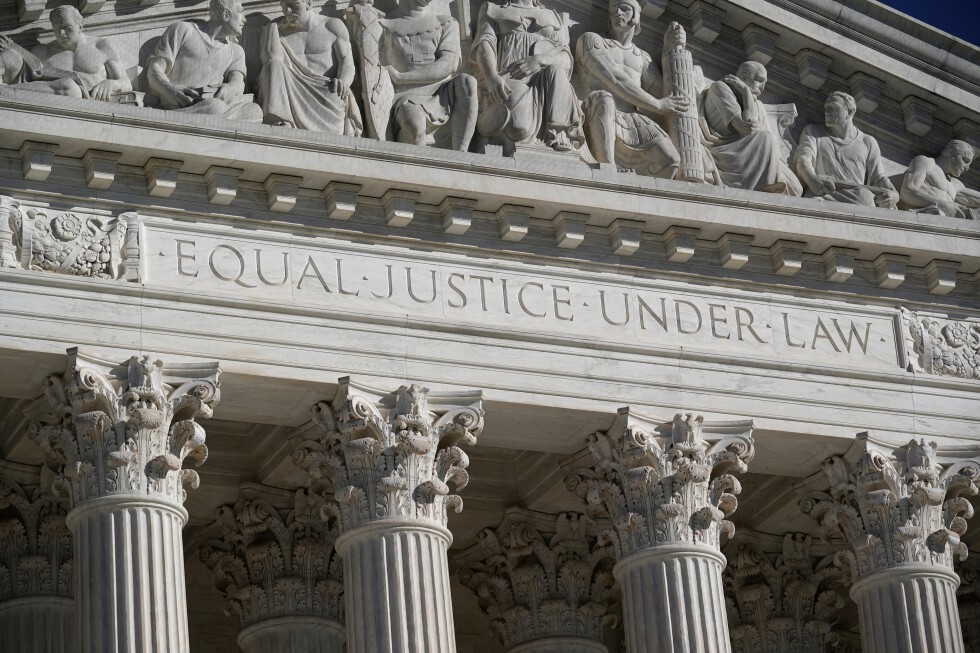
The United States Supreme Court has issued a ruling against a Colorado law that prohibits “conversion therapy” for LGBTQ+ minors. This decision aligns with similar bans in nearly two dozen other states.
In an 8-1 decision, the Court supported a Christian counselor who argued that the law infringes on the First Amendment. The justices acknowledged free speech concerns and remanded the case to a lower court to determine if it meets a stringent legal standard.
Justice Neil Gorsuch, writing for the majority, stated that the Colorado law “censors speech based on viewpoint.” He emphasized the First Amendment’s role in protecting against enforced orthodoxy in speech or thought in the United States.
Liberal Justices Elena Kagan and Sonia Sotomayor joined Gorsuch’s opinion. Justice Kagan pointed out that the state could not ban therapy that affirms a minor’s sexual orientation or gender identity without facing constitutional challenges. She wrote, “Once again, because the State has suppressed one side of a debate, while aiding the other, the constitutional issue is straightforward.”
Justice Ketanji Brown Jackson was the lone dissenter, arguing that states should have the authority to regulate healthcare, even if it results in limited speech restrictions. She warned that the decision “opens a dangerous can of worms” and might hinder state regulation of medical care.
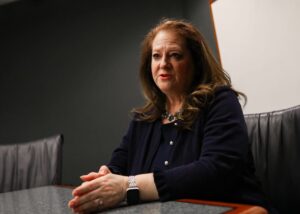
This ruling continues a trend of the Supreme Court supporting claims of religious discrimination while scrutinizing LGBTQ+ rights. Counselor Kaley Chiles, backed by former President Donald Trump’s administration, claimed the Colorado law unjustly prevented her from conducting voluntary, faith-based therapy.
Chiles differentiates her methods from historical “conversion therapy” techniques like shock therapy, contending that the law restricts parents’ access to therapists unless the therapy supports gender transition. She stated, “I look forward to being able to help them when they choose the goal of growing comfortable with their bodies.”
Colorado officials argue that the law allows extensive discussions on gender identity and sexual orientation, exempting religious ministries. They maintain it only bans attempts to “convert” LGBTQ+ individuals to heterosexuality or traditional gender norms, a practice discredited and linked to harm.
The state contends the law is constitutional as therapy is a form of healthcare, which the state has the duty to regulate. LGBTQ+ advocates criticized the ruling and the practice of conversion therapy. Polly Crozier from GLAD Law stated, “This is a dangerous practice that has been condemned by every major medical association in the country.”
The law, enacted in 2019, includes potential fines and license suspensions, though no sanctions have been applied under it. The Supreme Court’s decision may affect the enforcement of similar laws in other states.
Chiles received legal representation from the Alliance Defending Freedom, a conservative group active in Supreme Court cases. This organization also defended a Christian web designer who challenged Colorado’s anti-discrimination law.
According to the Movement Advancement Project, 23 states prohibit healthcare providers from offering “conversion therapy” to minors, with four others imposing some limitations.
The Supreme Court took up the case following the 10th U.S. Circuit Court of Appeals in Denver’s decision to uphold the law, while the 11th U.S. Circuit Court of Appeals in Atlanta had invalidated similar bans in Florida.
For more information on the U.S. Supreme Court, visit AP’s Supreme Court coverage.