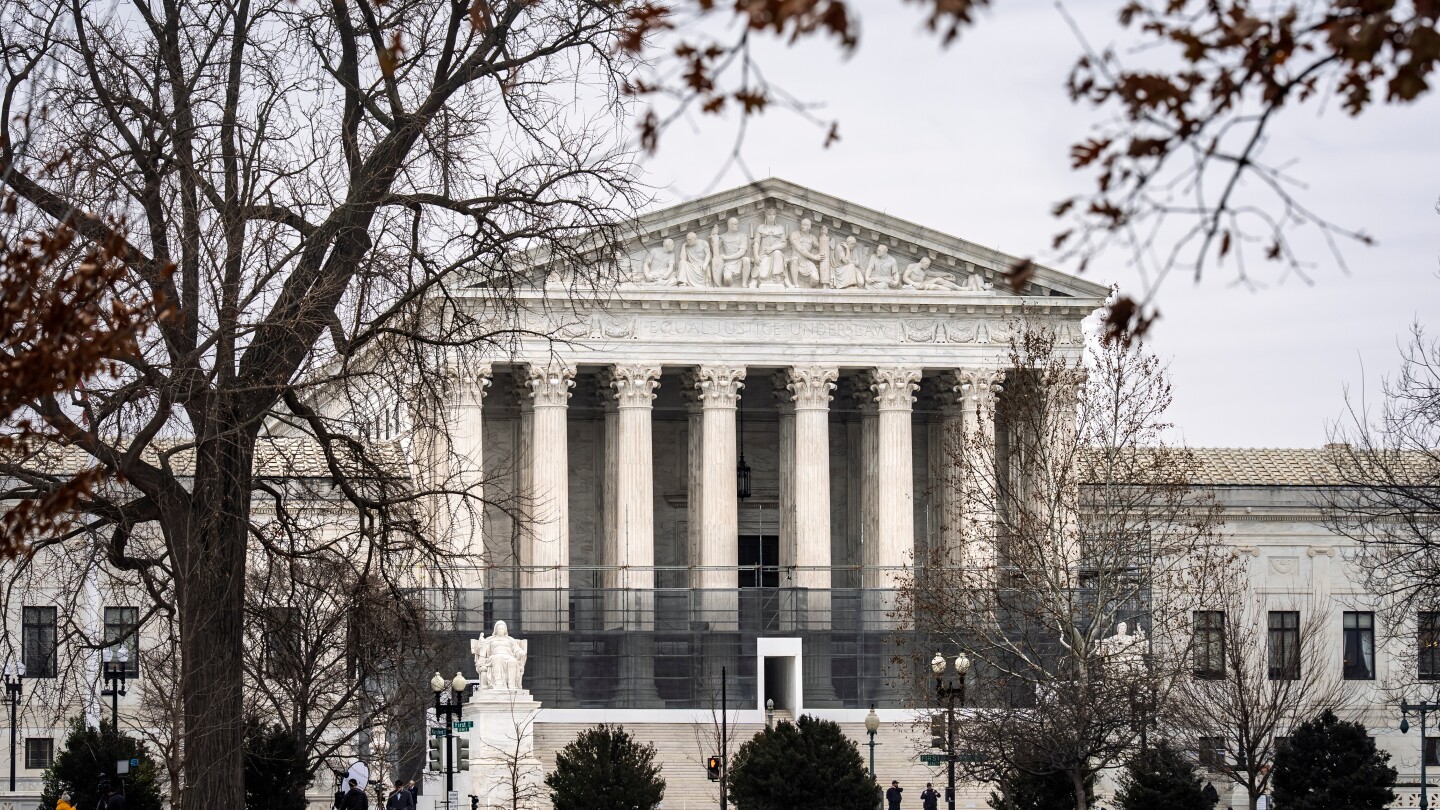
Supreme Court Rules in Favor of Montana Police in Warrantless Entry Case
In a decisive ruling, the U.S. Supreme Court has supported the actions of Montana police officers who entered a residence without a warrant, emphasizing the conditions under which law enforcement can intervene during potential emergencies. The court’s unanimous decision confirmed that officers acted appropriately during the 2021 incident involving William Case.
Officers responded to a distress call from Case’s former girlfriend, who expressed concern that he might have harmed himself. Upon receiving no response after knocking, the officers entered the property. According to court records, an officer discharged a weapon when Case abruptly pulled back a closet curtain while holding an item resembling a firearm. A handgun was subsequently located in a nearby laundry basket.
Following these events, Case faced charges of assaulting an officer. He contended that the evidence should be dismissed due to the absence of a warrant. However, the Montana Supreme Court upheld that the officers needed only a reasonable suspicion of an emergency to justify their actions. Case sought to elevate the standard to probable cause, akin to criminal probes, but the justices declined this request.
While the justices determined that the Montana court’s threshold was insufficiently rigorous, they concluded that the officers’ conduct was “objectively reasonable” based on a precedent from a prior Supreme Court ruling. Justice Elena Kagan, authoring the opinion, clarified that emergency entries do not permit searches beyond what is necessary to address the emergency and ensure officer safety.
For more details on the Supreme Court’s activities, visit AP’s Supreme Court coverage.