As the November midterm elections approach, both Democrats and Republicans in certain states are strategizing to potentially reshape congressional districts for a 2028 advantage. This move is part of a wider mid-decade redistricting battle unfolding across 10 states, impacting nearly 40% of the U.S. population.
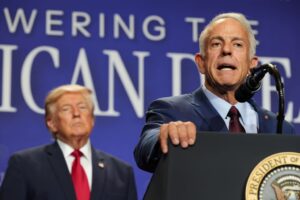
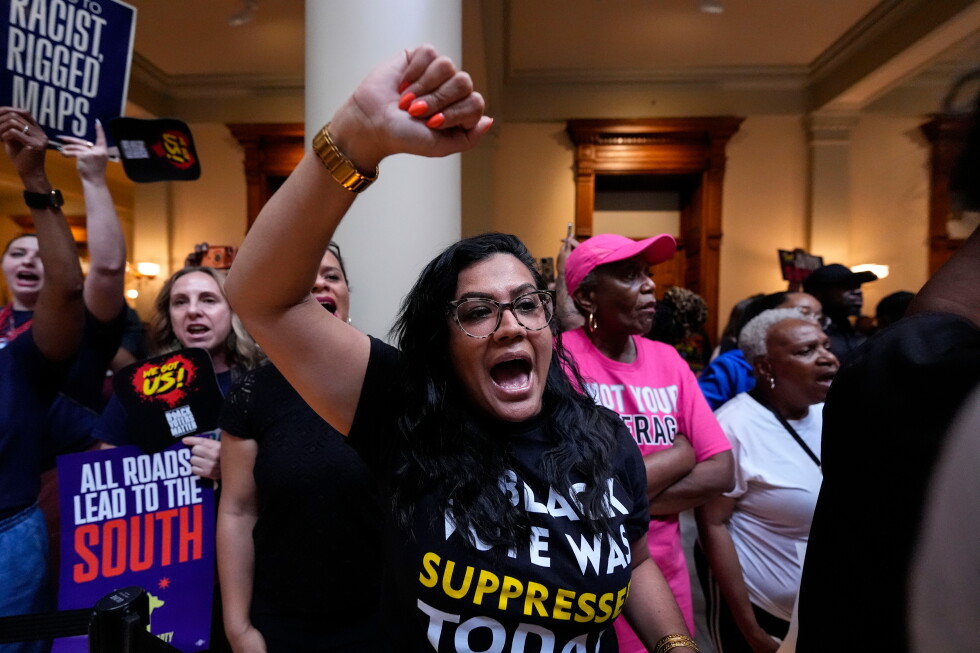
The push for redistricting was initially sparked last summer by President Donald Trump, who encouraged Republican-led states to redraw U.S. House districts to mitigate midterm election losses. Democratic-led states countered with their own redistricting plans. A U.S. Supreme Court decision in April further weakened the federal Voting Rights Act, allowing Southern Republicans new opportunities to adjust districts with significant minority populations that typically support Democrats.
The outcome of the midterm elections will serve as a test for these redistricting changes. Republicans hope to gain up to 10 additional House seats through the new districts. However, Democrats could benefit from historical trends where a president’s party loses seats in midterms, coupled with Trump’s low approval ratings.
If the November election results in a tight majority for either party, it may motivate further redistricting efforts before the 2028 elections.
Democratic States Eyeing Voter Participation
New York is already moving towards redistricting for the 2028 elections. The state legislature has approved a proposed constitutional amendment to allow mid-decade redistricting, remove barriers to partisan gerrymandering, and facilitate bypassing an independent commission. This proposal requires another legislative approval next year to appear on a statewide ballot.
Maryland’s House speaker has suggested a possible special session in July to consider redistricting, potentially altering the state constitution’s compact district requirement, which was a factor in a 2022 court decision that overturned a previous map for extreme partisan gerrymandering.
In Colorado, backers of a ballot initiative are working to qualify a constitutional amendment that would set aside districts drawn by an independent commission in favor of new ones. Meanwhile, New Jersey’s potential constitutional amendment aims to eliminate the bipartisan redistricting commission. Legislative approval would require a three-fifths vote or a simple majority in consecutive years to proceed to voters.
Virginia might revisit a redistricting amendment bypassing the bipartisan commission. Amendments in Virginia need legislative approval in two sessions with an intervening election. Although a plan wasn’t approved before the 2025 elections, efforts could resume focused on the state’s 2027 elections, following a state Supreme Court ruling in May.
Republican States Considering Redistricting
Georgia lawmakers refrained from initiating redistricting during a special session but left the door open for future consideration. In Kansas, the failure to secure the necessary support to convene a special session on redistricting last year could change if Republicans secure the governor’s office in November.
In Indiana, the state Senate previously rejected a congressional redistricting plan. However, Trump-backed challengers defeated senators opposing redistricting, potentially reviving the issue next year. Similarly, South Carolina’s Senate rejected redistricting before the midterms, but the subject may arise before future elections.
States Where 2026 Elections Could Influence Redistricting
Minnesota’s closely divided legislature presents opportunities for either party to control redistricting, depending on the results of the upcoming elections. Pennsylvania faces a similar scenario, with both parties having a stake in the state Supreme Court’s 2018 decision against a Republican-drawn map, warning against excessive gerrymandering.
In Wisconsin, Democrats could reshape Republican-leaning districts if they gain control in the upcoming elections. However, Republicans also have a chance to maintain influence. Two ongoing lawsuits challenge the current congressional map, potentially mandating redistricting.
States Discussing Future Redistricting
Mississippi Governor Tate Reeves anticipates lawmakers will redraw congressional districts before the 2027 elections, though no detailed plan exists yet. In Illinois, Democratic lawmakers rejected a national party proposal to redistrict before the midterms, citing concerns over minority representation, but left open the chance for future redistricting.