State Actions Target Citizenship Amid Voter Roll Concerns
In recent developments, Alabama, Ohio, and Virginia state officials have implemented stringent measures to ensure that only citizens cast votes, despite lacking evidence of significant noncitizen voting. These actions have emerged just days ahead of elections, fueling speculation about their timing and intent.
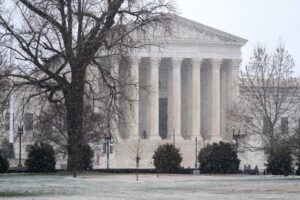
Critics argue that these measures are less about safeguarding election integrity and more about discouraging participation from legal immigrant voters, spreading chaos, and paving the way for unfounded claims of electoral fraud. In Virginia, a Supreme Court decision halted a sensible lower court ruling, potentially leading to the disenfranchisement of eligible voters due to purged voter rolls.
States like Virginia and Alabama have removed thousands of voters from their rolls on suspicions of noncitizenship. Although officials are obligated to maintain accurate voter lists, the timing of these actions, just before an election, has raised concerns about disenfranchising legitimate voters. Ideally, those with questionable eligibility should have been contacted well in advance to verify their citizenship.
Alabama’s election officials, involved in a Justice Department lawsuit over their attempted voter purge, discovered significant errors, with the Secretary of State admitting that thousands of U.S. citizens were mistakenly included in the purge list. It remains unclear if any actual noncitizens were affected by these purges.
Federal law prohibits such voter list purges within 90 days of a federal election to prevent errors and potential disenfranchisement. Consequently, federal judges have ordered the reinstatement of affected voters in Alabama and Virginia. However, Virginia has appealed to the Supreme Court, despite not proving any individuals were noncitizens.
In Ohio, Secretary of State Frank LaRose has mandated local election officials to demand citizenship documentation from naturalized citizens at polling stations, threatening to discard their votes if the documents aren’t presented promptly. The policy, deemed discriminatory and illegal, was challenged by the Brennan Center and partners, referencing an 18-year-old permanent injunction against such practices. A judge maintained the injunction, limiting the policy’s applicability to specific scenarios.
LaRose’s measures address a non-existent problem; between 2008 and 2020, only six potential cases of noncitizen voting were identified in Ohio, translating to less than one in a million votes cast. The new policy risks disenfranchising legitimate voters without enhancing election security.
While human errors in the voting process are possible, systems are already in place to deter noncitizen voting, with severe penalties including imprisonment and deportation for violations. The measures taken by state officials risk disenfranchising thousands of eligible voters over a negligible number of noncitizen votes.
The actions by these states raise the question: if noncitizen voting were a genuine issue, why do the measures aimed at addressing it result in the disenfranchisement of eligible voters and legal infractions? The consensus remains that elections are secure and reliable.