South Korean Legislature Approves Bill for Specialized Judicial Panels
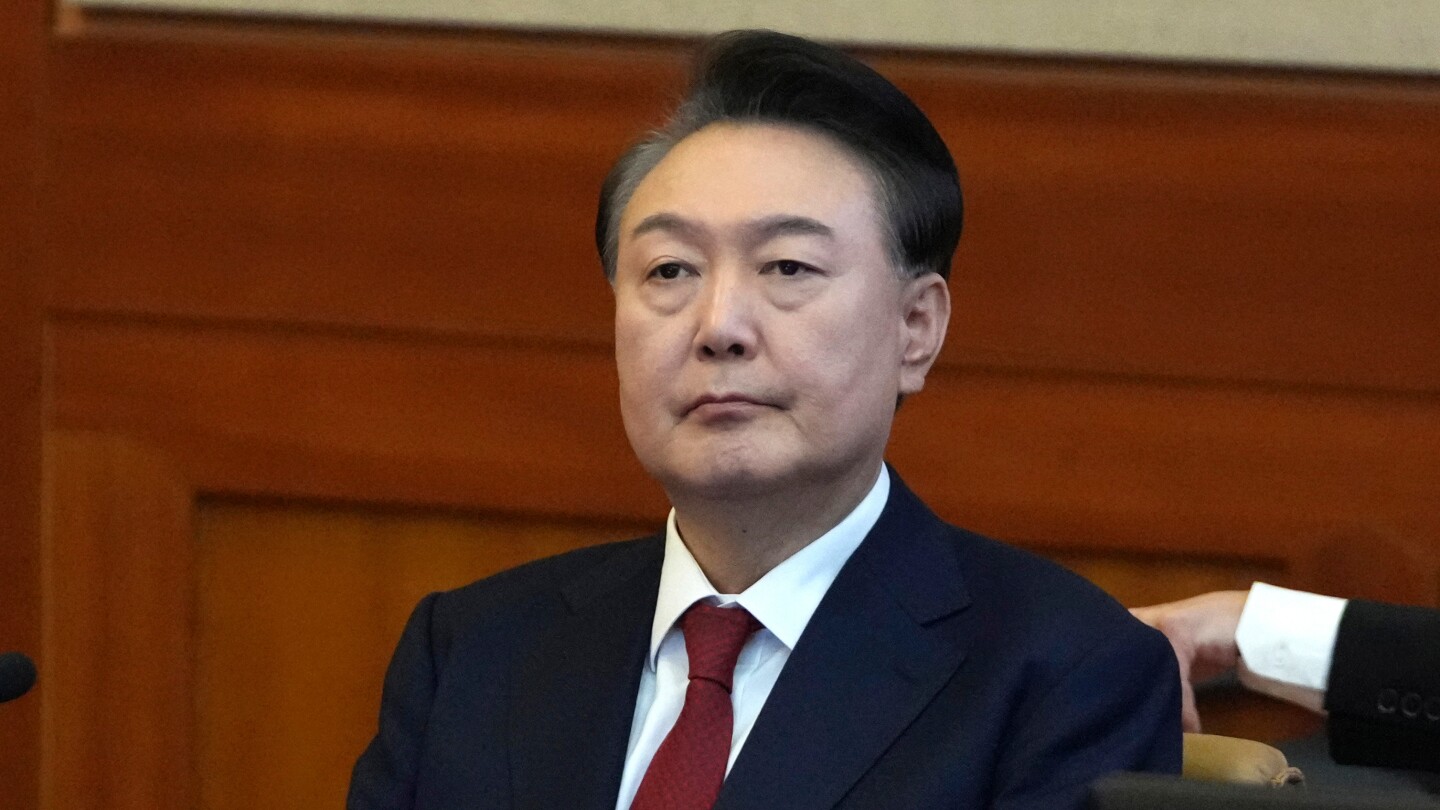
In a significant legislative move, South Korea’s National Assembly has approved a bill requiring the creation of specialized judicial panels for handling cases of rebellion, treason, and foreign subversion. This decision follows criticism over the sluggish pace of the rebellion trial of former President Yoon Suk Yeol.
While the bill is anticipated to be signed into law by current President Lee Jae Myung, it has been modified to ensure it does not affect ongoing trials. The original proposal faced criticism for potentially threatening judicial independence. The newly passed law will necessitate the establishment of at least two specialized panels at the Seoul Central District Court and the Seoul High Court, with each panel comprising a three-judge bench appointed by the judges’ council.
The bill was passed by a vote of 175–2, with two abstentions. Many conservative lawmakers chose to boycott the vote, and the process was delayed due to a 24-hour filibuster led by Jang Dong-hyuk, head of the conservative People Power Party (PPP). Jang argued that the bill remained unconstitutional despite revisions and accused the Democratic Party of pressuring the courts to favor certain benches. Following the vote, PPP leaders urged President Lee to veto the bill.
Upon signing, the law will be enacted immediately, but it will not impact the ongoing trial of Yoon, whose verdict is expected in early 2026. Should Yoon’s case advance to the high court, the specialized panels would then preside over it.
Yoon, a former conservative leader, declared martial law in December 2024 to quell opposition from liberals he claimed were hindering his agenda. He was ousted from office in April and re-arrested in July for his failed coup attempt. The charges against him include rebellion, a serious offense that could result in life imprisonment or the death penalty.
The Democratic Party has expressed dissatisfaction with the current handling of Yoon’s trial, specifically criticizing Judge Jee Kui-youn for delaying proceedings. The party has called for a reevaluation of the practice of randomly assigning judges in significant cases. Judge Jee previously faced backlash from liberals in March for allowing Yoon to stand trial without detention until his re-arrest.
Further controversy arose as other judges denied arrest warrants for key figures associated with Yoon, such as former Prime Minister Han Duck-soo and senior conservative lawmaker Choo Kyung-ho. Han and Choo have been accused of assisting Yoon’s martial law declaration and obstructing legislative processes.