Thousands Gather in Selma Amidst Concerns Over Voting Rights Act
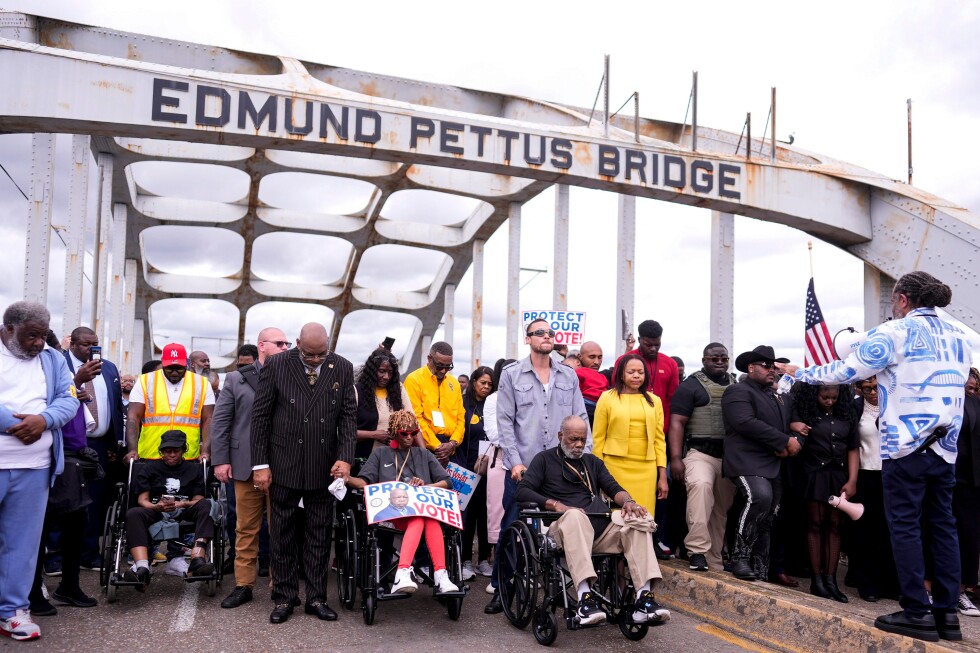
In Selma, Alabama, a poignant gathering took place as thousands commemorated the 61st anniversary of the infamous “Bloody Sunday,” where civil rights demonstrators were brutally attacked by state troopers on the Edmund Pettus Bridge. This weekend’s events occurred under the looming shadow of a potential Supreme Court decision that could significantly impact the Voting Rights Act, legislation initially spurred by the events of that fateful day.
The historical significance of March 7, 1965, cannot be overstated. The violent crackdown on peaceful marchers shocked the nation, leading to the passage of the Voting Rights Act, aimed at dismantling racial barriers to voting, particularly in the Jim Crow South. This year’s commemoration, however, was marked by renewed anxiety over the Act’s future, as the Supreme Court deliberates over a case that might limit its provisions, potentially affecting minority representation in electoral districts.
Charles Mauldin, a 78-year-old veteran of the original march, expressed deep concern, stating, “I’m concerned that all of the advances that we made for the last 61 years are going to be eradicated.” He was among those who gathered this weekend alongside politicians, civil rights leaders, and tourists to remember Selma’s pivotal role in the civil rights movement and to rally against perceived threats to the progress achieved since then.
At the historic Tabernacle Baptist Church, Maryland Governor Wes Moore emphasized the need for continued vigilance and activism. “Years after Bloody Sunday, the progress that stemmed from that sacrifice is now being rolled back right in our faces,” he declared. Moore, currently the only Black governor in the U.S., urged the public to honor the legacy of those who fought for civil rights by actively defending the freedoms won.
Illinois Governor JB Pritzker addressed a rally at the foot of the bridge, voicing concerns over a perceived rise in racism and the Supreme Court’s current trajectory regarding the Voting Rights Act. “Let’s march forward today with the knowledge that we are the inheritors of the faith that brought marchers to the bridge 61 years ago,” he urged, highlighting the ongoing struggle for justice.
The annual commemoration in Selma serves as a blend of remembrance, political activism, and community gathering, incorporating civil rights tributes, church services, and a bustling street festival. This year’s event also paid homage to the late Rev. Jesse Jackson, a civil rights leader who frequently attended the annual march. His son, Yusef Jackson, spoke of continuing his father’s legacy, stating, “In November, we will go back to the polls and take our government back, setting our country on the right path.”
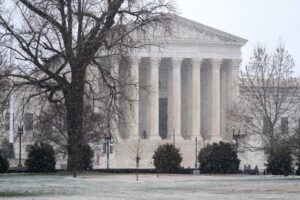
The pending Supreme Court decision concerning a Louisiana case on race and district drawing adds a layer of urgency to the event. A ruling that limits the consideration of race in redistricting could have profound implications, potentially allowing states to redraw boundaries in ways that might dilute minority voter influence.
U.S. Representative Shomari Figures, who was elected to a district redrawn to enhance Black voter representation, stressed the historical significance of Selma and the Voting Rights Act. “It was monumental in shaping what America looks like and how America is represented in Congress,” he remarked.
Reflecting on the original march, Mauldin recalled the fear and determination of the demonstrators. “It wasn’t that we didn’t have fear, it’s that we chose courage over fear,” he said. This year’s march saw thousands, including elected officials, crossing the bridge under the protection of state law enforcement, a stark contrast to the hostile environment faced by the original marchers.
James Reynolds, who was involved in organizing demonstrations in Selma as a high school student, attended the commemoration with his wife. At 79, he sees parallels between past struggles and current efforts to restrict voting access, such as limitations on mail-in and absentee voting. “When you look at what’s going on today, we’re still fighting for the right to vote,” Reynolds observed.
The gathering in Selma serves as a powerful reminder of the ongoing fight for voting rights and the vigilance required to preserve the hard-won gains of the civil rights movement.