Congress Moves Forward with Potentially Restrictive Voting Legislation
Amidst ongoing turmoil within the executive branch, Congress is on the verge of addressing a legislative proposal that could significantly impact the voting capabilities of millions of eligible American citizens.
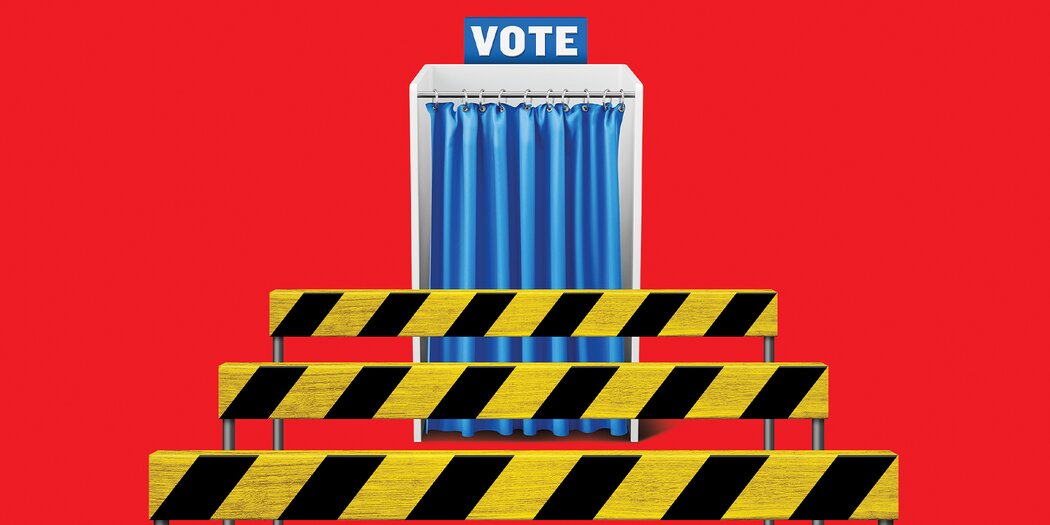
This legislation, known as the SAVE Act, is poised to be one of the most stringent voting bills in U.S. history. If enacted, it would necessitate citizens to present documentation such as a passport or birth certificate each time they register or re-register to vote, a measure that could potentially disenfranchise millions.
According to the Brennan Center for Justice, over 21 million eligible voters do not have immediate access to such documentation. The lack of a passport is common, as highlighted by YouGov, and many citizens struggle to locate their birth certificates.
Populations potentially most affected by this requirement include younger citizens, people of color, and married women who have changed their surnames, leading to discrepancies in their documents. The legislation could disrupt widely-used voter registration methods like mail-in and online registration, reflecting a significant federal intervention in voting processes.
Similar measures have been attempted at the state level. In Kansas and Arizona, requirements for documentary proof of citizenship have previously barred tens of thousands from registration. Kansas’s rule was overturned, and Arizona’s restriction is limited to state ballots.
The House is expected to deliberate on the SAVE Act shortly. Proponents argue it protects election integrity, despite existing laws already ensuring that only U.S. citizens can vote in federal and state elections. Instances of noncitizen voting are statistically negligible, as reported by the Brennan Center. Notably, House Speaker Mike Johnson acknowledged a lack of evidence for widespread misconduct, stating, “We all know intuitively that a lot of illegals are voting in federal elections,” but conceding, “But it’s not been something that is easily provable.”
Should the SAVE Act pass the House, the legislative focus would shift to the Senate, where opponents could demand comprehensive debate. Sixty votes would be necessary to advance to a final vote.
The push for such legislation is seen by some as a political maneuver aimed at restricting voting access for certain groups. In contrast to this effort, Democrats have previously advocated for expansive voting rights, though their initiatives have narrowly fallen short. Their opposition to the SAVE Act will serve as a testament to their dedication to democratic principles.
The implications of the SAVE Act are profound. Unlike other executive actions, its enactment would embed these restrictions into federal law, impacting voters nationwide. As noted by Michael Waldman, author of The Fight to Vote, federal intervention in voting usually seeks to expand access, making this a departure from historical precedent.
Despite former President Donald Trump’s unfounded claims of a stolen 2020 election, and his pardon of insurrectionists, Republican majorities in Congress remain paper-thin, allowing Democrats the power to obstruct potentially harmful legislation. A vote for the SAVE Act may keep certain voters from the polls, a move that could provoke public backlash. The enduring struggle for voting rights continues to demand vigilance and action.