Shift Towards Catastrophic Insurance Plans Amid Rising Healthcare Costs
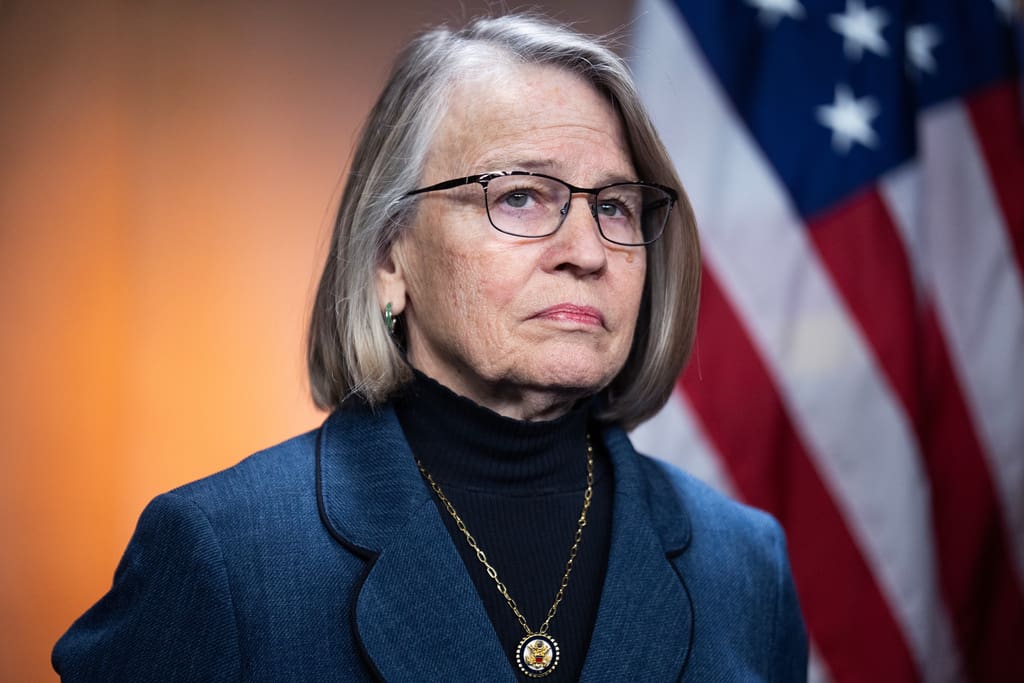
With healthcare expenses climbing, many Americans are opting for catastrophic insurance plans, which cover only severe emergencies. Iowa Representative Mariannette Miller-Meeks has praised this shift, suggesting it could potentially encourage healthier living.
“If you had a health savings account or individual health plan, you purchase your insurance for catastrophic, then there is an incentive for you to adopt behavioral patterns or health practices that actually lower cost and keep you healthier,” Miller-Meeks stated during the 13th and Park podcast on January 12.
Catastrophic insurance, sometimes labeled as junk insurance, is characterized by high deductibles and low premiums, covering only severe health issues like cancer or major injuries. Routine care, such as regular doctor visits and most prescriptions, are not included in these plans.
Miller-Meeks also mentioned that having deductibles and copays encourages consumers to take a proactive role in their health, possibly motivating them to exercise more or quit smoking.
The move towards catastrophic plans is partly due to the lapsing of Affordable Care Act tax credits, which had previously made monthly premiums affordable for 22 million people. Rising costs in other areas such as food and housing have further contributed to this trend.
On January 8, Miller-Meeks opposed a bipartisan proposal aimed at extending these tax credits for another three years. She advocated for her own bill, which would eliminate the credits and instead have the federal government subsidize some out-of-pocket expenses for lower-income individuals.
The Congressional Budget Office reports that Miller-Meeks’ proposal could reduce premiums by up to 12%, though most individuals would still experience fewer savings compared to the original tax credits. It is estimated that around 100,000 Americans might opt out of insurance due to increased costs.
Both Miller-Meeks’ bill and the tax credit extension have cleared the House. However, neither is expected to advance in the Republican-led Senate.
—
Read More Kitchen Table News