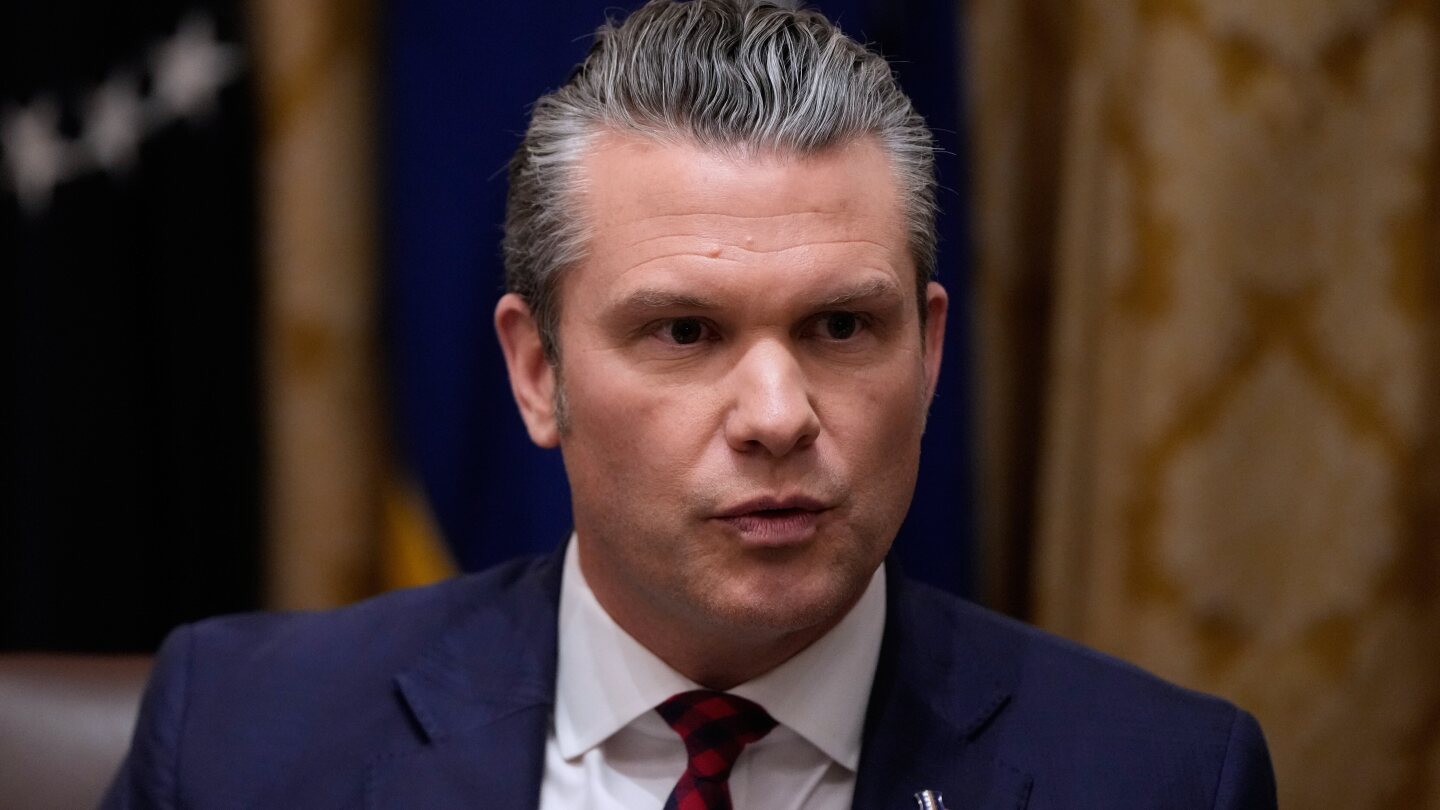
Defense Secretary’s Use of Signal App Under Scrutiny
The Pentagon’s inspector general has raised concerns over Defense Secretary Pete Hegseth’s use of the Signal messaging app to share sensitive military information. According to sources familiar with the investigation, Hegseth’s actions potentially endangered U.S. personnel and their mission in Yemen, though he retained the authority to declassify material, and no improper declassification was found.
The report highlights that Hegseth violated Pentagon policy by using a personal device for official communications. Recommendations include enhanced training for all Pentagon officials. Despite these findings, Hegseth defended his actions in a written statement, asserting his right to declassify information and claiming no classified data was shared.
Initial findings, first reported by CNN, have intensified scrutiny on Hegseth, a former Fox News Channel host. Lawmakers had earlier called for an independent inquiry into his use of the commercially available app.
Additionally, investigations are ongoing regarding a separate incident where a follow-up military strike in the Caribbean allegedly led to civilian casualties following Hegseth’s verbal order to “kill everybody.” Hegseth defended this action, citing the “fog of war” and maintained he did not witness any survivors during the operation.
Sean Parnell, the Pentagon’s chief spokesman, stated, “The Inspector General review is a TOTAL exoneration of Secretary Hegseth and proves what we knew all along — no classified information was shared.” The White House, through press secretary Karoline Leavitt, echoed this sentiment, affirming that operational security was not compromised.
Journalist Unintentionally Added to Sensitive Chat
Hegseth’s use of Signal came to public attention when journalist Jeffrey Goldberg of The Atlantic was mistakenly added to a group chat by then-national security adviser Mike Waltz. The chat included high-profile officials like Vice President JD Vance and Secretary of State Marco Rubio, who were discussing military operations against Yemen’s Houthi militants.
Hegseth reportedly created another Signal chat involving family members, where he shared similar sensitive details. Despite Signal’s encrypted nature, it is not authorized for transmitting classified information and falls outside the Pentagon’s secure communications network.
Hegseth has maintained that the information shared was unclassified, though experts suggest that the specifics, particularly when shared before an operation, should not have been transmitted on unsecured channels. The investigation relied on screenshots from The Atlantic as Hegseth provided few Signal messages for review.
Political and Military Reactions
The investigations have prompted reactions from lawmakers, with some Democrats suggesting that Hegseth’s conduct would be a fireable offense for others. Sen. Mark Warner stated, “This was not an isolated lapse. It reflects a broader pattern of recklessness and poor judgment from a secretary who has repeatedly shown he is in over his head.”
The inspector general’s investigation was requested by Senate Armed Services Committee leaders, indicating bipartisan concern over Hegseth’s actions. The findings have been reviewed in a classified facility, with a public release of a redacted report anticipated.
Context and Background
The events are part of a broader U.S. military campaign against Houthi rebels linked to Iran. The rebels had targeted commercial and military vessels, disrupting trade through the Red Sea. The U.S.-led operations against the Houthis marked significant naval engagements, with President Trump announcing a cessation of hostilities after the Houthis pledged to halt their attacks.
Following The Atlantic’s disclosure of the Signal chat, the magazine released the full conversation, revealing Hegseth’s detailed military plans and timing of operations. Hegseth defended these communications as “informal, unclassified coordinations” during a Fox News interview.