Pentagon’s Follow-up Strike in the Caribbean Under Scrutiny
WASHINGTON (AP) – Recent revelations indicate that the Pentagon was aware of survivors following a September operation targeting a suspected drug vessel in the Caribbean Sea, yet proceeded with a subsequent strike, according to sources familiar with the situation.
The decision to conduct a second strike was reportedly justified by the need to ensure the vessel’s destruction, as per anonymous sources who discussed the matter under the condition of confidentiality. The Trump administration has confirmed that all 11 individuals on board were killed in the incident.
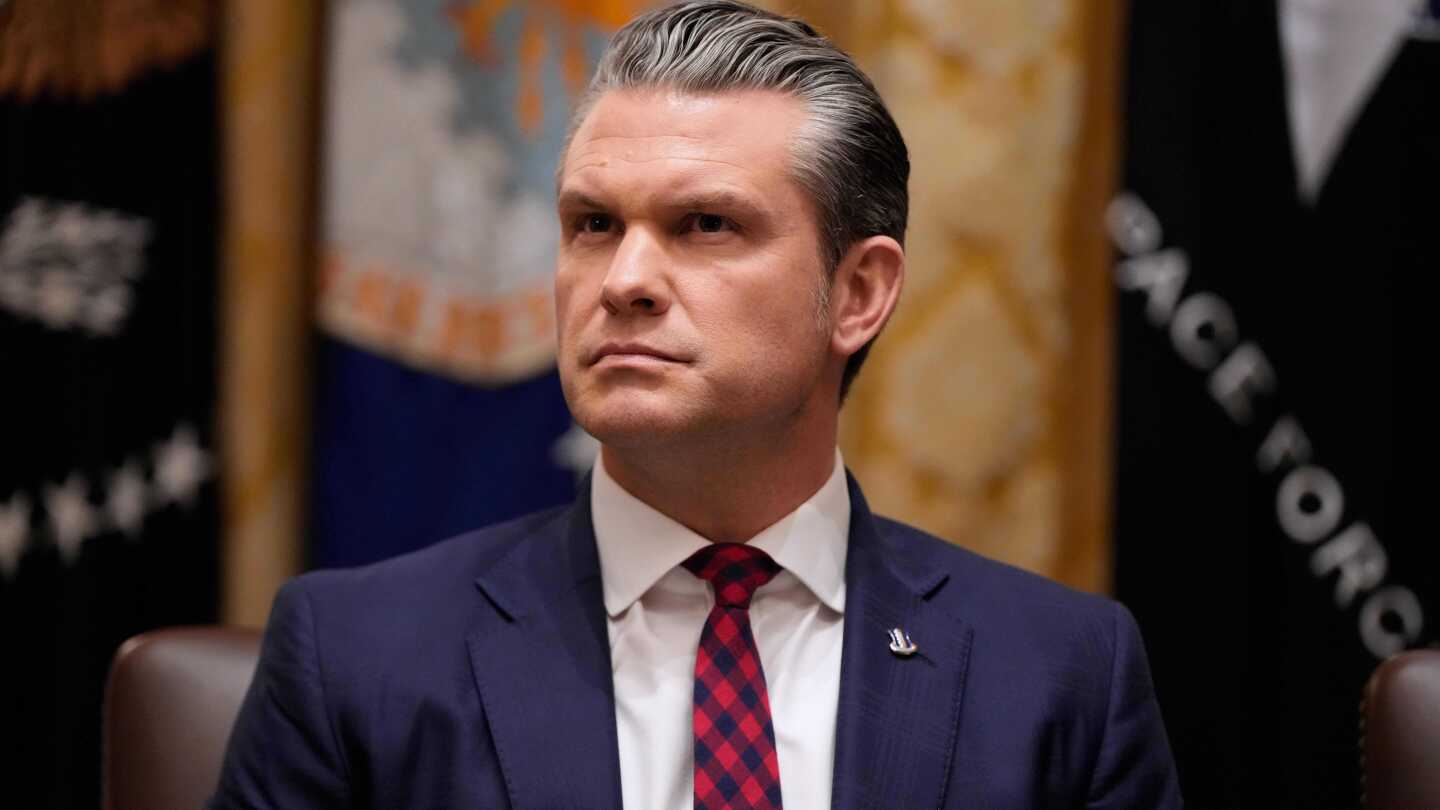
Uncertainty surrounds the chain of command responsible for the strikes, and it remains unclear if Defense Secretary Pete Hegseth played a role, according to one source. This issue is gaining traction as legislative bodies have initiated inquiries to determine the legality of the military actions executed by the U.S.
The matter is expected to be addressed during a confidential briefing with congressional members on Thursday, where Adm. Frank “Mitch” Bradley, identified by the Trump administration as having ordered the second strike, will be present.
Despite requests for clarification, the Pentagon has yet to comment on the newly surfaced details of the September 2 event.
Defense Secretary Hegseth faces mounting scrutiny regarding the department’s operations against alleged drug traffickers in both the Caribbean and the eastern Pacific Ocean. The second strike, which reportedly resulted in the deaths of survivors, is being questioned by some lawmakers and legal authorities as potentially contravening peacetime and conflict-related legal standards.
Hegseth has defended the actions stating they occurred in the “fog of war,” asserting during a recent Cabinet meeting that he neither witnessed survivors nor remained for the operation’s conclusion. He further supported Adm. Bradley’s decision as being within his authorized capacity.
President Donald Trump, when queried on whether he would disclose footage of the follow-up strike, suggested a willingness to release any existing materials: “I don’t know what they have, but whatever they have we’d certainly release. No problem,” he remarked.
The administration maintains that the U.S. is engaged in an “armed conflict” with drug cartels, although no formal congressional approval for military action in the area has been granted.
A related incident later in September prompted the family of a Colombian national to challenge his death, which they claim was an extrajudicial killing, by filing a petition with a leading human rights organization in the Americas. The family alleges that Alejandro Carranza’s fishing boat was unlawfully bombed on September 15.
The September 2 follow-up strike was targeted at the first vessel in a counterdrug campaign that the Trump administration states has involved over 20 strikes, resulting in more than 80 fatalities.
The information about the follow-up strike was initially omitted from a classified briefing to lawmakers in September. It was only disclosed afterward, leaving many members of the national security committees dissatisfied with the explanations provided by the department.
In a rare show of bipartisan oversight, the House and Senate Armed Services committees have quickly launched investigations, expressing concerns over the strikes. Adm. Bradley is set to meet with the committees’ bipartisan leadership in a classified session on Thursday.