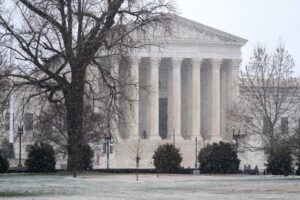
Controversial Challenge to Election Results in North Carolina
In a surprising turn of events in North Carolina, Republican Jefferson Griffin has contested the results of a recent election for a seat on the state Supreme Court. Griffin, who narrowly lost the race, is seeking to have 60,000 ballots invalidated based on a theory that has drawn widespread criticism.
The election, which was tightly contested, saw Griffin come up short in his bid for the high court. His challenge is grounded in a controversial theory that has been labeled by many as an attempt at voter suppression. This theory has not only been rejected by election officials and experts but has also drawn criticism from some who are typically skeptical of election processes.
Griffin’s actions have sparked a significant debate about the integrity of the election process and the methods used to challenge election outcomes. Critics argue that such attempts could undermine public confidence in the electoral system, especially when based on theories lacking substantial evidence.
While Griffin and his supporters maintain that their actions are justified and necessary to ensure fair elections, many are concerned about the precedent this challenge might set. The case has drawn both local and national attention, with various stakeholders weighing in on the implications of such election challenges.
The controversy underscores the ongoing debates over election security and voter rights in the United States, highlighting the delicate balance between ensuring election integrity and protecting access to voting.
For more information on this evolving story, visit the full article here.