Impact of Supreme Court’s NIL Decision on College Athletes and Charities
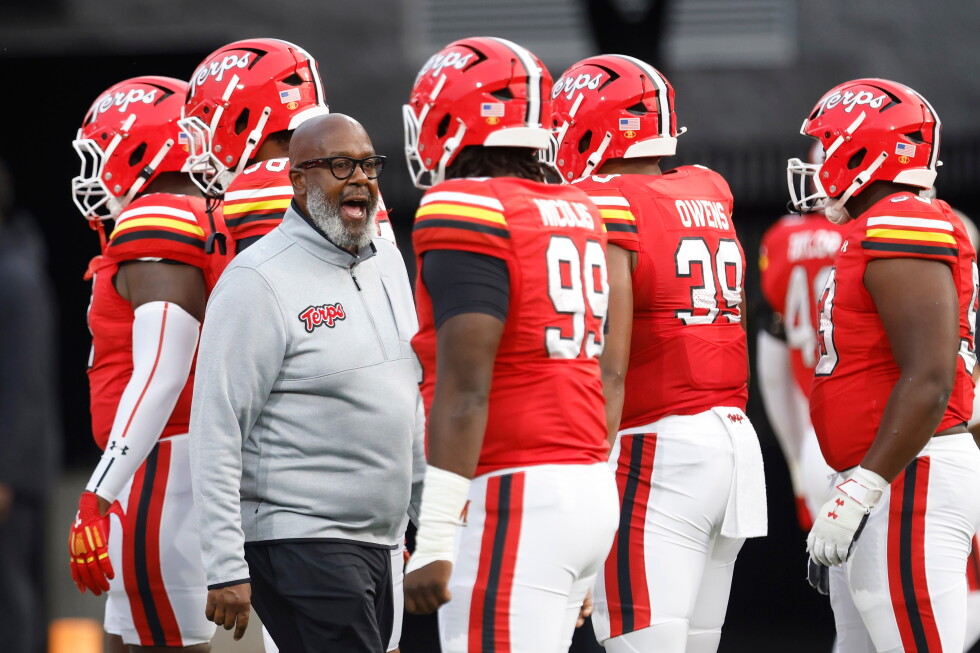
The 2021 Supreme Court ruling in NCAA v. Alston marked a new era for college athletes, allowing them to earn from their name, image, and likeness (NIL). While some hoped this would also benefit charities, the real financial boon primarily went to the athletes. The University of Maryland, for instance, partnered with the Youth Leadership Foundation, where athletes mentored high school students. However, the broader charitable gains have been minimal compared to the influx of nearly $2 billion annually directed to student-athlete compensations.
Janaiha Bennett, executive director of the Youth Leadership Foundation, noted the positive impact of these mentorships: “Being able to expose students to role models that care about character and care about conducting themselves well as athletes, that’s been a huge plus.” Initially, these engagements were facilitated by the Blueprint Sports Foundation, a nonprofit managing NIL payments.
The Evolution and Challenges of NIL Collectives
Following the Alston decision, many NIL collectives were established as nonprofits, aiming to provide athletes with compensation via tax-deductible donations. However, the IRS later determined these collectives did not qualify for tax-exempt status, as their principal function was to compensate students rather than serve the public good. Jason Kohout, a lawyer for several NIL collectives, described this charitable aspect as “kind of a blip.”
The landscape shifted further with the 2025 House v. NCAA settlement, which enabled universities to share revenue from television contracts and ticket sales, allocating $20.5 million per college for student compensation annually. Consequently, many collectives, such as those affiliated with Georgia Tech and Notre Dame, have ceased operations.
Maintaining Charitable Involvement Amid NIL Changes
As the IRS scrutinized NIL collectives’ tax-exempt status, the Blueprint Sports Foundation dissolved. Despite this, the University of Maryland continues to work with Blueprint Sports, now a for-profit entity, for processing student payments. In 2024, the foundation reported distributing $844,078 to 90 athletes for charitable activities.
While direct payments to athletes from universities have increased, the involvement of student-athletes in programs like those at the Youth Leadership Foundation remains strong. However, Roy Kessel from the Sports Philanthropy Network expressed concern that charity might become an afterthought as universities focus on raising funds for athlete compensation. Kessel’s NIL4Good initiative aims to encourage athletes to donate a portion of their earnings to charity, but he acknowledges the challenges in gaining traction for such campaigns.
He emphasized the need for guidance in philanthropy for student-athletes, who often face pressures from external influences: “What we’ve seen evolve over the last few years is that the individual athletes get pulled in a lot of directions. Anytime somebody’s got money, that brings more people in.”