U.S. Announces Major Sanctions Against Iran
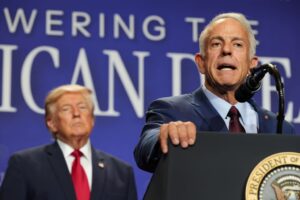
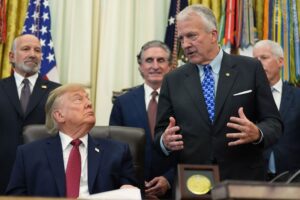
The United States has launched what Treasury Secretary Scott Bessent termed “the single greatest financial offensive ever” against Iran. On August 24, Bessent introduced a new sanctions package, describing it as the “endgame” in Washington’s ongoing efforts to sever Iran’s remaining revenue streams. This initiative targets over 30 entities, including brokers, tanker operators, and shipping companies across the UAE, Hong Kong, China, Singapore, Switzerland, and Europe. Additionally, key figures such as the head of the National Iranian Oil Company and the Iranian Oil Terminals Company have been named. The announcement comes at a tumultuous time, with escalating risks accompanying the sanctions list.
A Ceasefire Window Already Closed
The sanctions follow the collapse of a fragile peace agreement. A 60-day ceasefire, previously established earlier this year, fell apart due to disagreements over ship transit through the Strait of Hormuz. The formal deadline for a more extensive US-Iran accord passed on August 17 without resolution. Consequently, the new sanctions do not stand as an isolated diplomatic maneuver but rather as an escalation within a conflict now in its sixth month, with the previously negotiated off-ramp no longer available.
Iran Is Threatening the World’s Most Important Oil Chokepoint
Global shipping faces immediate threats. Iran’s Persian Gulf Strait Authority has cautioned that any vessels breaching its transit regulations could be subject to “fines, seizure, or confiscation.” Iran’s top security official has also warned of potentially blocking oil flow through the Strait of Hormuz if neighboring states align with the US sanctions. This is not an abstract threat, as approximately 20 percent of global oil and LNG passes through the strait. This has led to a drastic reduction in daily vessel traffic, from a pre-crisis average of 88–130 ships to around 10, with about 2,000 ships stranded in the Gulf. Prior analyses, including one by NPR, have highlighted that the standoff over Hormuz could have far-reaching implications for global waterways.
Market reactions are already evident. Although oil prices dropped on the day the sanctions were announced, experts warn that this calm may be temporary. A commodities strategist indicated that prices could surge to $120 a barrel if tensions further disrupt supply routes, potentially causing global increases in fuel and shipping costs.
Secondary Sanctions Could Strain Ties With Major Trading Partners
The US has issued a warning to other countries, providing “a defined timeline” to cease their business with Iran or face secondary sanctions. This move could affect key nations such as China, Turkey, and India, which are significant buyers of Iranian crude. Efforts by Russia and China to block the reimposition of UN sanctions on Iran at the Security Council have failed, highlighting potential friction between the US and these global powers. At a time when Washington seeks global cooperation, unilateral actions could lead to diplomatic tensions.
The Toll on Iranian Civilians Keeps Growing
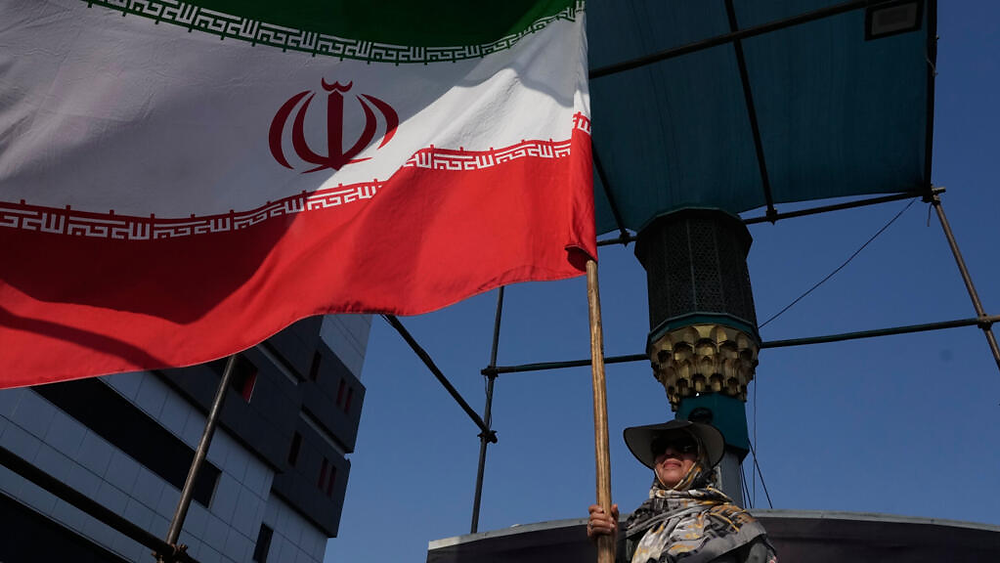
Iranian officials remain defiant. A senior military leader declared that Tehran “will not submit” to the pressure, and the government has promised a “seismic” response to the new measures. With the ceasefire window closed and both sides entrenched in their positions, the newly announced sanctions may not bring the conflict to an end but instead shape its future trajectory.