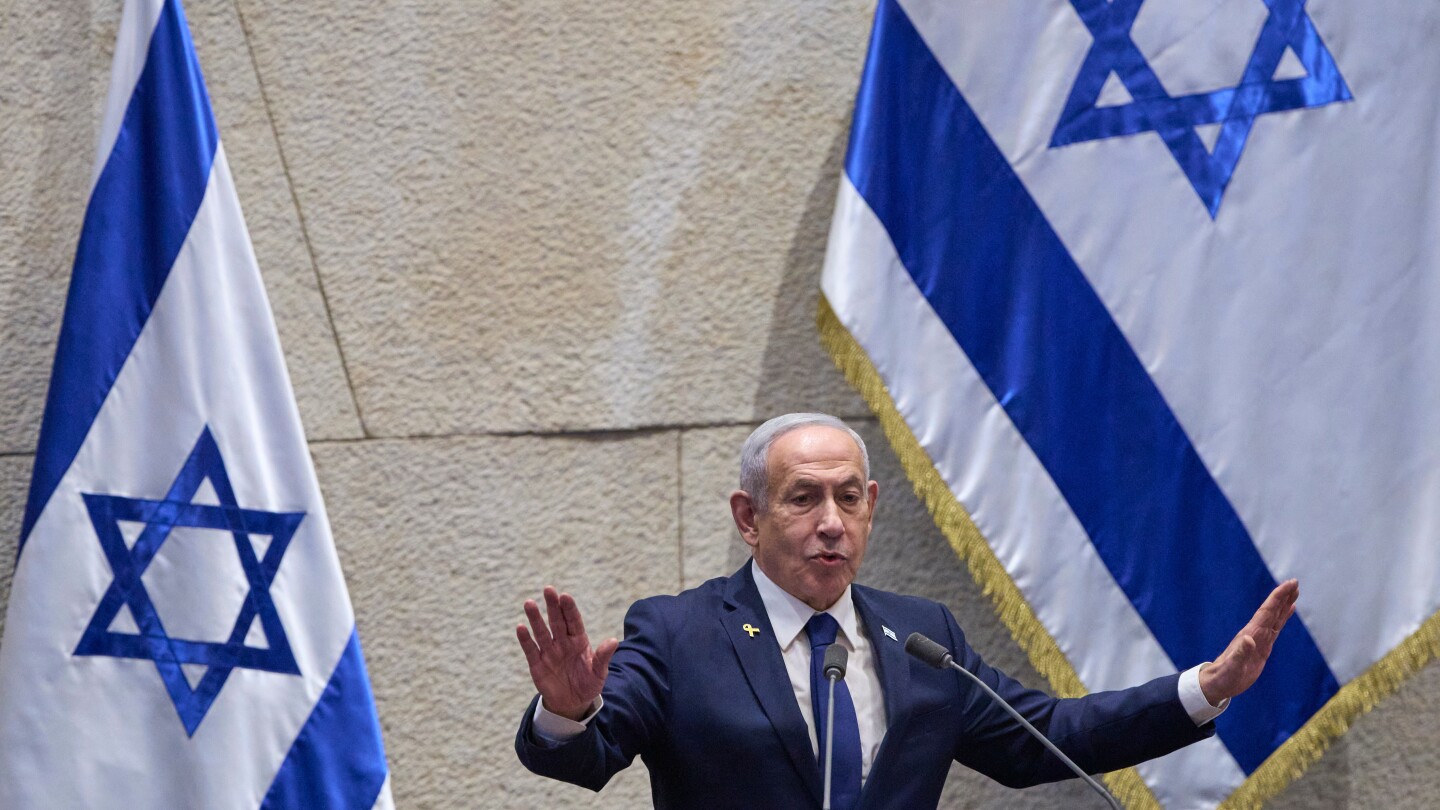
In a significant political development, Israeli Prime Minister Benjamin Netanyahu has requested a pardon from President Isaac Herzog, aiming to put an end to ongoing corruption charges that have sparked national debate. Netanyahu’s legal battles have been a point of contention, and his request has further fueled discussions on the state of democracy in Israel.
The Prime Minister, facing charges of fraud, breach of trust, and accepting bribes in three cases where he allegedly exchanged favors with affluent political supporters, maintains his innocence and has labeled the accusations as a conspiracy by the media and judiciary.
Influences From Abroad
The pardon request follows U.S. President Donald Trump’s public call for Israel to absolve Netanyahu, highlighting the international dimension of the case. Trump described the corruption proceedings as a “political, unjustified prosecution” in a letter to President Herzog. Despite being former political adversaries, Herzog and Netanyahu maintain a functional relationship.
A protest emerged near Herzog’s residence against the pardon request, symbolized by bananas and a sign equating a pardon with a “banana republic.” In a video message, Netanyahu asserted that the trial exacerbates national divisions and hinders his leadership capabilities.
Trial and Pardon Process
The trial has seen multiple delays, partly due to unrest following recent militant activities. Netanyahu’s legal team submitted a comprehensive pardon request, which is now under review by the Justice Ministry and the president’s legal advisors. Legal experts, however, argue that the trial cannot be halted by this request alone. “It’s impossible,” stated Emi Palmor, former director-general of the Justice Ministry, emphasizing that only the attorney general can suspend proceedings.
Although the president has broad discretion in granting pardons, the Israel Democracy Institute cautions that a preconviction pardon could undermine the rule of law and equality.
Political Reactions and Historical Context
Netanyahu’s stance contrasts with his earlier position in 2008 when he urged then-Prime Minister Ehud Olmert to resign amidst a corruption scandal. Olmert eventually stepped down and served prison time. Netanyahu now casts himself as a victim of a “deep state” effort to unseat him.
After forming a new government in 2022, Netanyahu proposed judicial reforms perceived by critics as a move to weaken checks and balances, igniting widespread protests. These domestic tensions are believed to have emboldened external threats, such as the recent Hamas attacks.
Opposition figures and advocacy groups have responded sharply to Netanyahu’s pardon request. Opposition leader Yair Lapid insists on accountability, saying, “You cannot grant him a pardon without an admission of guilt.” The Movement for Quality Government in Israel also warns that a pardon would suggest some are above the law.
Despite the controversy, some Israelis back the request. Lior Gal, a Jerusalem resident, expressed support: “Bibi Netanyahu did totally the right thing requesting the pardon…to remain united people and carry on.”