As voters engage in the presidential election, it is crucial to understand the concept of election certification, a post-election procedure that finalizes the vote-counting process.
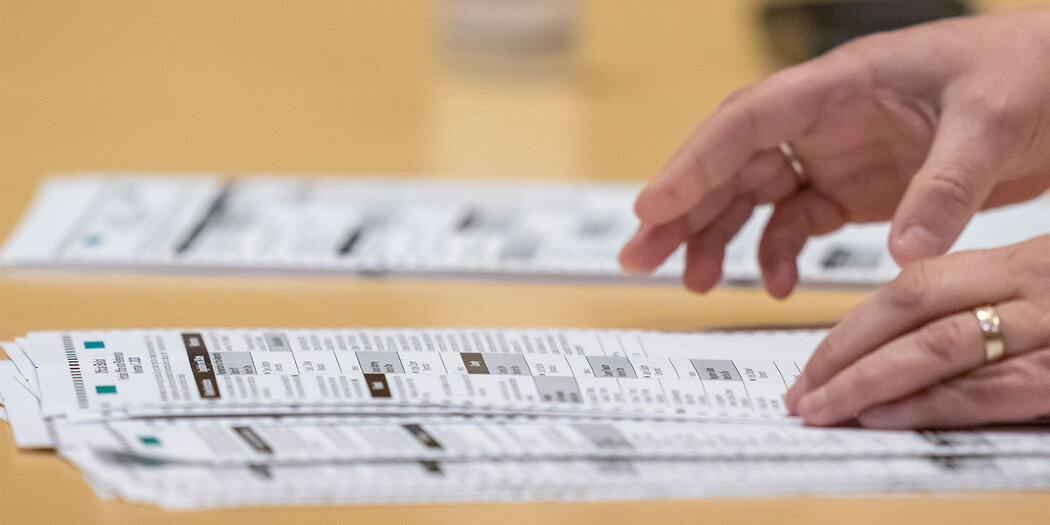
Following Election Day, local election officials initiate a procedure known as the canvass. This process involves conducting a series of checks to ensure all votes are correctly tallied, resolve any discrepancies, and confirm the accuracy of the results. Once this is accomplished, officials must certify the completion of the canvass by a specific deadline, dictated by state law, before submitting the results to state officials who conduct their own canvass and certify statewide election results.
Certification verifies that all necessary post-election procedures have been fulfilled, which is why state laws mandate it as an obligatory duty. Officials responsible for certifying the results lack the authority to investigate the results or address legal issues, as these are resolved through designated processes like election contests and court proceedings.
State court precedents spanning over a century establish certification as a mandatory process. Nevertheless, since the 2020 election, over 30 local officials have either refused or threatened to refuse to certify results, citing unfounded claims of a rigged 2020 election and prevalent election fraud.
These challenges have been unsuccessful due to the array of legal tools available to courts and state officials to ensure certification proceeds. State-specific safeguards may vary, but they universally enable state officials to guarantee timely certification of this year’s presidential election.
To assist with understanding this process, key procedures and deadlines for certifying the presidential election have been summarized for seven battleground states: Arizona, Georgia, Michigan, Nevada, North Carolina, Pennsylvania, and Wisconsin. For further information, refer to the comprehensive collection of state certification guides by All Voting is Local, the Brennan Center, Campaign Legal Center, and Protect Democracy.