Native Americans Seek Tribal IDs Amid Immigration Enforcement Concerns in Minneapolis
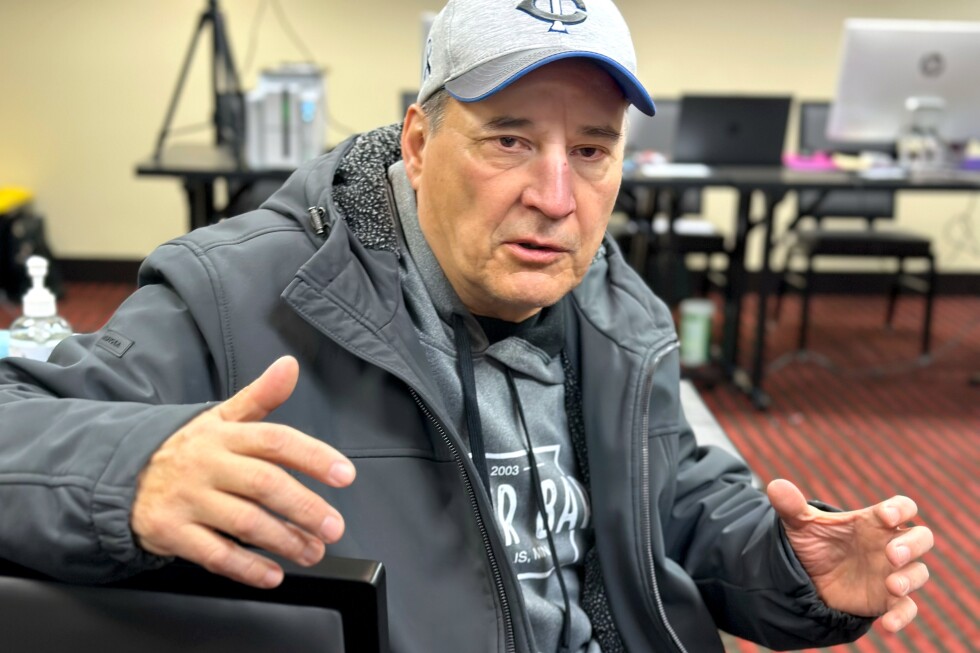
MINNEAPOLIS (AP) — With intensified immigration enforcement activities in Minneapolis, Native Americans like Shane Mantz are taking precautionary measures by carrying tribal identification to prove their U.S. citizenship. Mantz, a manager at a pest-control company, fears being mistakenly targeted due to his appearance. “Some strangers mistake the pest-control company manager for Latino,” he explained, referencing his concerns about potential ICE raids.
In response, numerous Native nations are assisting their members in obtaining tribal IDs by waiving fees, reducing age requirements, and expediting the issuance of these documents. This development marks the first widespread use of tribal IDs as a form of U.S. citizenship verification, according to David Wilkins, a Native politics expert at the University of Richmond. Wilkins expressed his concerns, stating, “I don’t think there’s anything historically comparable. I find it terribly frustrating and disheartening.”
Tribal Identity Documentation Initiatives
Tribal IDs, established in the late 1960s, have become essential for many Native Americans to assert their identity and rights, especially with increasing federal immigration operations. These IDs are now being used for various purposes, including voting in tribal elections and proving work eligibility.
Amidst this climate, the Department of Homeland Security maintains that its agents are trained to make arrests based on “reasonable suspicion,” as supported by a recent Supreme Court ruling. However, this has not alleviated the concerns of many Native Americans who feel targeted based on race and ethnicity.
Community Response to ICE Activities
Recent ICE operations in Minneapolis, described as the “largest immigration operation ever,” have led to over 3,400 arrests, involving around 2,000 ICE officers and 1,000 Border Patrol officers. This has prompted representatives from at least ten tribes to travel to Minneapolis to assist members in obtaining tribal IDs.
Faron Houle, a Turtle Mountain citizen, highlighted the apprehension within the community, stating, “You just get nervous. I think (ICE agents are) more or less racial profiling people, including me.”
Efforts to connect and support urban tribal citizens have been organized, with events taking place in various venues across Minneapolis. Christine Yellow Bird, who manages a satellite office for the Mandan, Hidatsa, and Arikara Nation, has been instrumental in providing resources to those unable to visit their reservations.
Incidents and Reactions from Tribal Leaders
Reports of ICE encounters have surfaced, with several Native Americans narrating experiences of being detained or questioned based on their appearance. For instance, Navajo Nation President Buu Nygren has advised citizens to carry tribal IDs at all times following incidents in Arizona and New Mexico.
Elaine Miles, an actress and member of the Confederated Tribes of the Umatilla Indian Reservation, recounted how ICE officers questioned the authenticity of her tribal ID. Meanwhile, the Oglala Sioux Tribe has prohibited ICE from entering its reservation, underscoring the tension between federal agencies and Native communities.
Peter Yazzie, a Navajo construction worker, shared his ordeal of being detained by ICE in Phoenix, despite having valid identification documents. Yazzie expressed his frustration, saying, “It’s an ugly feeling. It makes you feel less human. To know that people see your features and think so little of you.”
As ICE continues its operations, individuals like Shane Mantz emphasize the significance of carrying tribal identification for safety, though not without questioning the necessity. “It gives me some peace of mind. But at the same time, why do we have to carry these documents?” Mantz questioned. “Who are you to ask us to prove who we are?”