Minneapolis Schools Initiate Remote Learning Amid Federal Enforcement Concerns
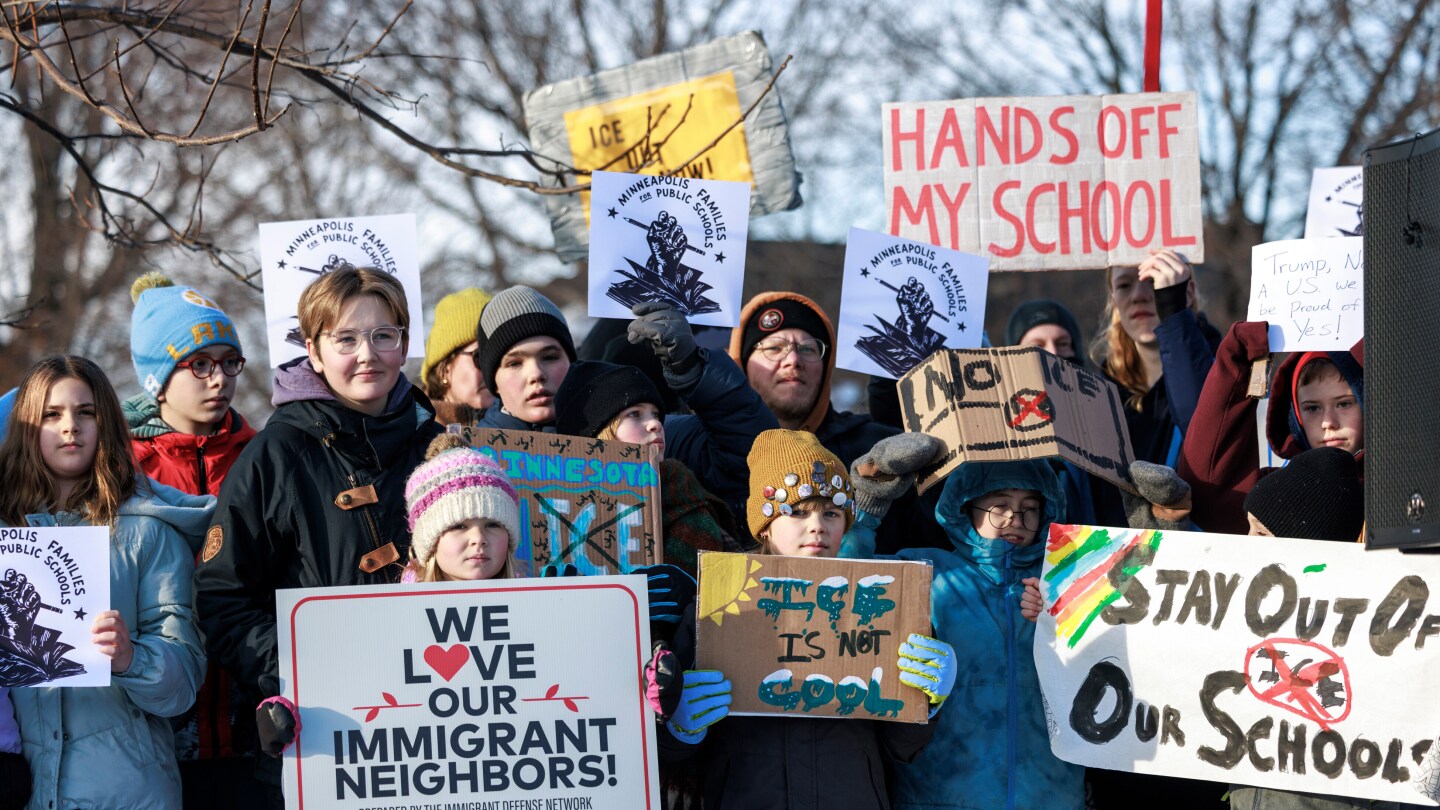
The Minneapolis school district has announced a temporary remote learning option for families, citing heightened fears among students due to recent federal immigration enforcement activities. This move comes as part of efforts to ensure safety and continuity in education amid growing tensions within the city.
The initiative allows educators to teach both in-person and remote students simultaneously from their classrooms, a model reminiscent of the COVID-19 pandemic era. The decision follows reports of declining attendance in various U.S. cities, attributed to immigration enforcement actions, particularly affecting immigrant families who may feel threatened.
An email from a Minneapolis school administrator stressed the importance of the plan, stating, “This meets a really important need for our students who are not able to come to school right now.” The plan’s development involved extensive discussions with school leaders and the teachers’ union, acknowledging the complexities involved in implementing remote education. Despite concerns about the academic and emotional challenges of remote learning, the priority was to maintain student engagement.
Remote Learning as a Response to Safety Concerns
The decision to reintroduce virtual learning in Minneapolis, a district with nearly 30,000 students, underscores the fear prompted by recent federal actions. President Donald Trump’s criticisms of the Somali community, promises to deploy federal agents, and a federal agent’s fatal shooting of Renee Good, a U.S. citizen and mother, have heightened tensions.
Also contributing to the unrest was an incident where immigration agents detained an individual outside Roosevelt High School, leading to confrontations with bystanders. The Minneapolis Federation of Educators expressed their disapproval, stating, “We will not tolerate ICE inhibiting our city’s youth from their constitutional right to attend school safely.”
The situation has been exacerbated by Trump’s revocation of policies that previously kept schools off-limits for immigration arrests. Natasha Dockter, a local union leader, remarked, “The way ICE has escalated in our community has made it so that there are people who feel unsafe coming to and from school.”
Students, including 15-year-old Boisey Corvah, have expressed concern, particularly for Latino peers who may face increased risks from enforcement activities. He noted the impact on social interactions, saying, “They’re probably going to have to go straight home. They won’t be able to hang out with their friends.”
Exploring Virtual Options Across Districts
While Minneapolis is reintroducing remote learning, other districts like Chicago and New York have debated similar measures without widespread implementation. Concerns include the potential for virtual learning to inadvertently reveal students’ immigration statuses. As a solution, advocacy groups recommend making remote options universally available to all students.
Viridiana Carrizales of ImmSchools emphasized the need for flexible learning models, stating, “Learning doesn’t necessarily have to happen in the classroom.” She is collaborating with districts in New Jersey, New York, and Texas to address parental concerns that have led to student withdrawals.
Some districts with existing virtual programs, such as Hillsboro in Oregon, have seen increased demand, partly driven by the return of Trump’s administration. The Minnesota Department of Education has affirmed that districts can offer remote learning, with a focus on accommodating all students, including those with disabilities and English learners.
In response to the current unrest, Minneapolis schools closed for two days, directing teachers to prepare for the virtual option, which will be available until February 12.