Laura Fernández Wins Costa Rican Presidency with Strong Mandate
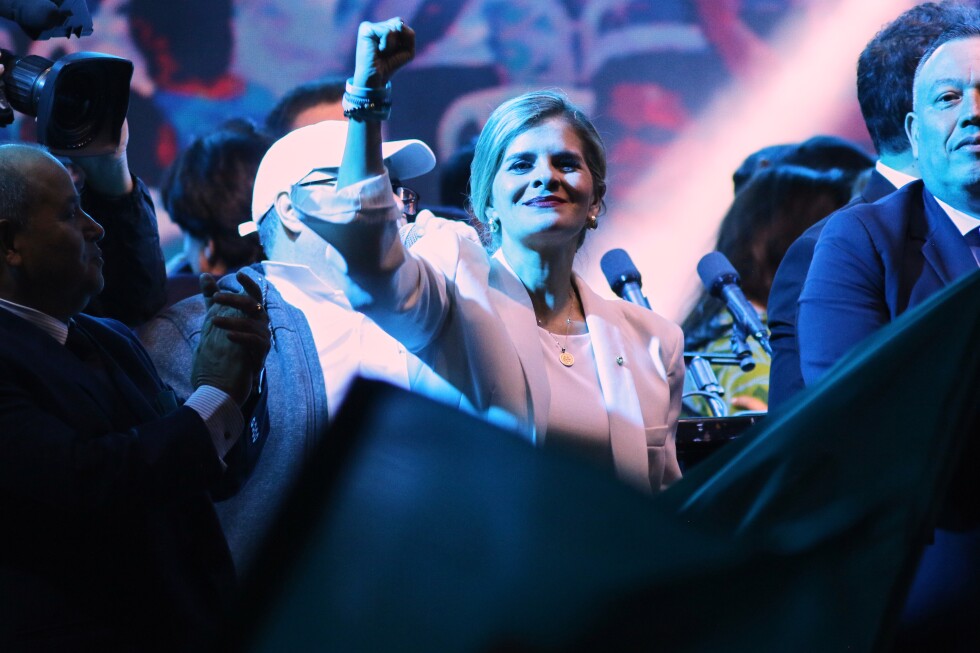
In a decisive electoral victory, conservative populist Laura Fernández has secured the presidency of Costa Rica, continuing the political legacy of her predecessor and mentor, outgoing President Rodrigo Chaves. The election results, announced by the Supreme Electoral Tribunal, showed Fernández, representing the Sovereign People’s Party, gaining 48.3% of the vote, thereby bypassing the need for a runoff.
With the majority of polling locations reporting, Fernández’s closest rival, Álvaro Ramos of the National Liberation Party, received 33.4% of the vote. On Monday, Fernández expressed her commitment to fostering Costa Rica’s development to address global challenges effectively and ensure robust economic growth. “I hope that we can immediately lower the flags of whichever political party and start working only in favor of the Costa Rican flag,” she stated. “I believe the Costa Rican people expect nothing less of us.”
Although Ramos conceded defeat on Sunday night, he vowed to lead a “constructive opposition” while holding the new administration accountable. The official declaration of Fernández’s victory will follow a manual vote count set to commence on Tuesday.
Fernández’s campaign focused on continuing the policies initiated by Chaves, who was restricted by term limits. Her political experience includes serving as the minister of national planning and economic policy, as well as the minister of the presidency under Chaves. Voter Mario Camacho from the capital’s south side expressed support for Fernández, stating, “I think (Chaves’) administration has been good and I hope the new president can also help the poor and get rid of corruption.”
The election takes place against the backdrop of a significant rise in crime in Costa Rica, which was a central issue during the campaign. While some voters criticized Chaves’ administration for not reducing crime rates, others believed that maintaining his confrontational approach offered the best chance to curb violence.
U.S. Secretary of State Marco Rubio congratulated Fernández on her victory, emphasizing confidence in her leadership to further shared priorities such as combating narcotrafficking and strengthening economic ties. “Under her leadership, we are confident Costa Rica will continue to advance shared priorities,” Rubio remarked.
The election also saw Costa Ricans casting their votes for the 57-seat National Assembly, where Chaves’ party aimed for gains, though potentially falling short of a supermajority. Such a majority would enable the party to make key decisions, including the appointment of Supreme Court magistrates.
Fernández emerged as the frontrunner among 20 presidential candidates, with none aside from her and Ramos achieving over 5% in early results. Approximately 3.7 million Costa Ricans were eligible to vote in this election. Chaves had previously won the presidency as an outsider by appealing to voters with a message against corruption and traditional party politics amid economic challenges such as high unemployment and a growing budget deficit.