In a significant legislative move, Kentucky’s Republican-controlled General Assembly has overridden the veto of Democratic Governor Andy Beshear to implement a law potentially shielding Bayer, a major agrochemical firm, from lawsuits within the state. This law is related to allegations that the company neglected to inform users about the cancer risks associated with a widely used herbicide.
The veto override occurs ahead of a crucial U.S. Supreme Court hearing, which could set a precedent for nationwide legal protections against similar liability claims. Concurrently, Bayer is pursuing a $7.25 billion settlement in Missouri, aiming to address numerous lawsuits claiming that its Roundup weedkiller is linked to non-Hodgkin lymphoma.
Roundup and Its Legal Challenges
Initially introduced by Monsanto in 1974, Roundup became prominent due to its active ingredient, glyphosate. The product was engineered for use with genetically modified seeds, enabling farmers to maximize crop yield while minimizing soil disruption. After acquiring Monsanto in 2018, Bayer inherited a surge of legal claims tying glyphosate to non-Hodgkin lymphoma, totaling around 200,000 cases.
While Bayer disputes the allegations, the legal battles pose a threat to its operations in the U.S. market. The company has already removed glyphosate from consumer versions of Roundup. Despite some studies linking glyphosate to cancer, the U.S. Environmental Protection Agency (EPA) does not classify it as a likely human carcinogen when used correctly, and there is no cancer warning on Roundup’s federal label.
Legislative Efforts to Restrict Lawsuits
Central to these lawsuits is the accusation that Bayer failed to warn of the potential cancer risk. Bayer, alongside the Modern Ag Alliance—a coalition of agricultural groups—is advocating for state laws that would consider a federally approved pesticide label as fulfilling the state’s duty to warn. This effort has seen success in North Dakota and Georgia, with Kentucky joining as the third state to enact such legislation.
Elizabeth Burns-Thompson, executive director of the Modern Ag Alliance, expressed support for Kentucky’s new law, citing the need for “clear, consistent rules” for farmers. Contrarily, Governor Beshear criticized the measure, arguing it permits the sale of hazardous pesticides without appropriate warnings, counteracting public health initiatives.
Supreme Court Proceedings
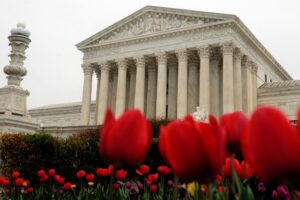
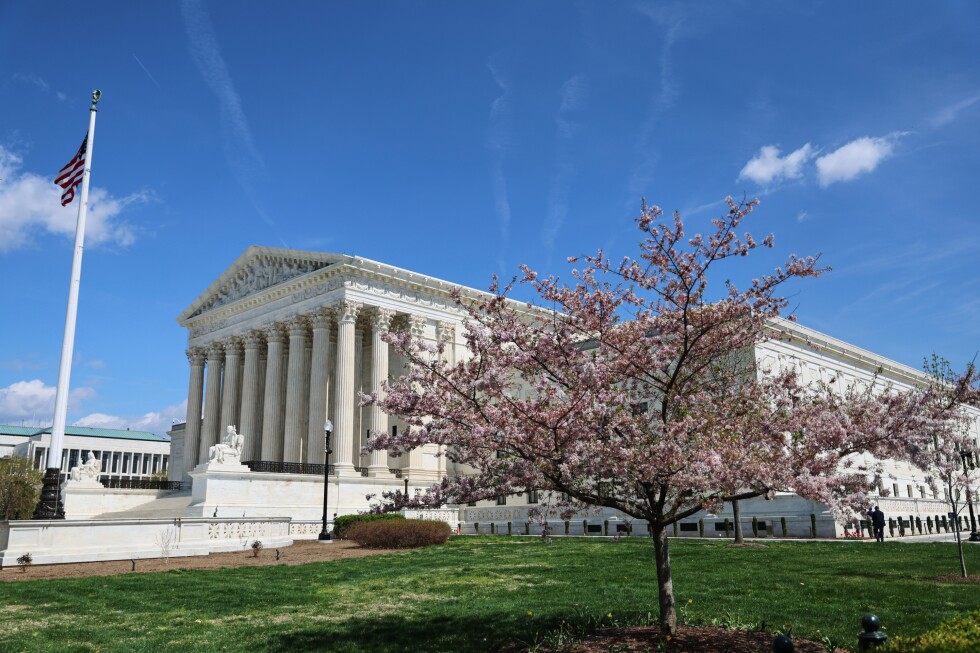
On April 27, the Supreme Court is scheduled to review a Missouri case where a $1.25 million verdict was awarded to a man who developed non-Hodgkin lymphoma after using Roundup. The jury found Monsanto liable for failing to provide adequate warnings.
Bayer argues that federal pesticide regulations should override state-level failure-to-warn claims, as additional state-required labeling is not permissible. The Trump administration supports Bayer’s stance, reversing the previous administration’s position and conflicting with some health-focused Trump supporters.
The case has garnered significant attention, with various groups filing approximately 30 briefs, either supporting or opposing Bayer’s federal preemption argument. Among these are former EPA officials who argue that the absence of a cancer warning on Roundup’s label does not preclude state lawsuits.
Proposed Settlement Details
In March, a St. Louis judge preliminarily approved a settlement proposition to resolve the majority of failure-to-warn claims related to Roundup. The settlement includes a notification period, allowing individuals to opt-out by June 4.
The proposed agreement entails Bayer making annual payments into a fund over up to 21 years, potentially totaling $7.25 billion. Compensation to individuals will depend on their exposure, age at diagnosis, and the severity of their illness. For instance, younger agricultural workers diagnosed with aggressive non-Hodgkin lymphoma could receive about $165,000, while older individuals might receive $10,000.
This settlement could mitigate risks from the Supreme Court’s decision. It ensures compensation for claimants even if Bayer prevails, while also protecting Bayer from greater financial liabilities if the ruling is unfavorable.