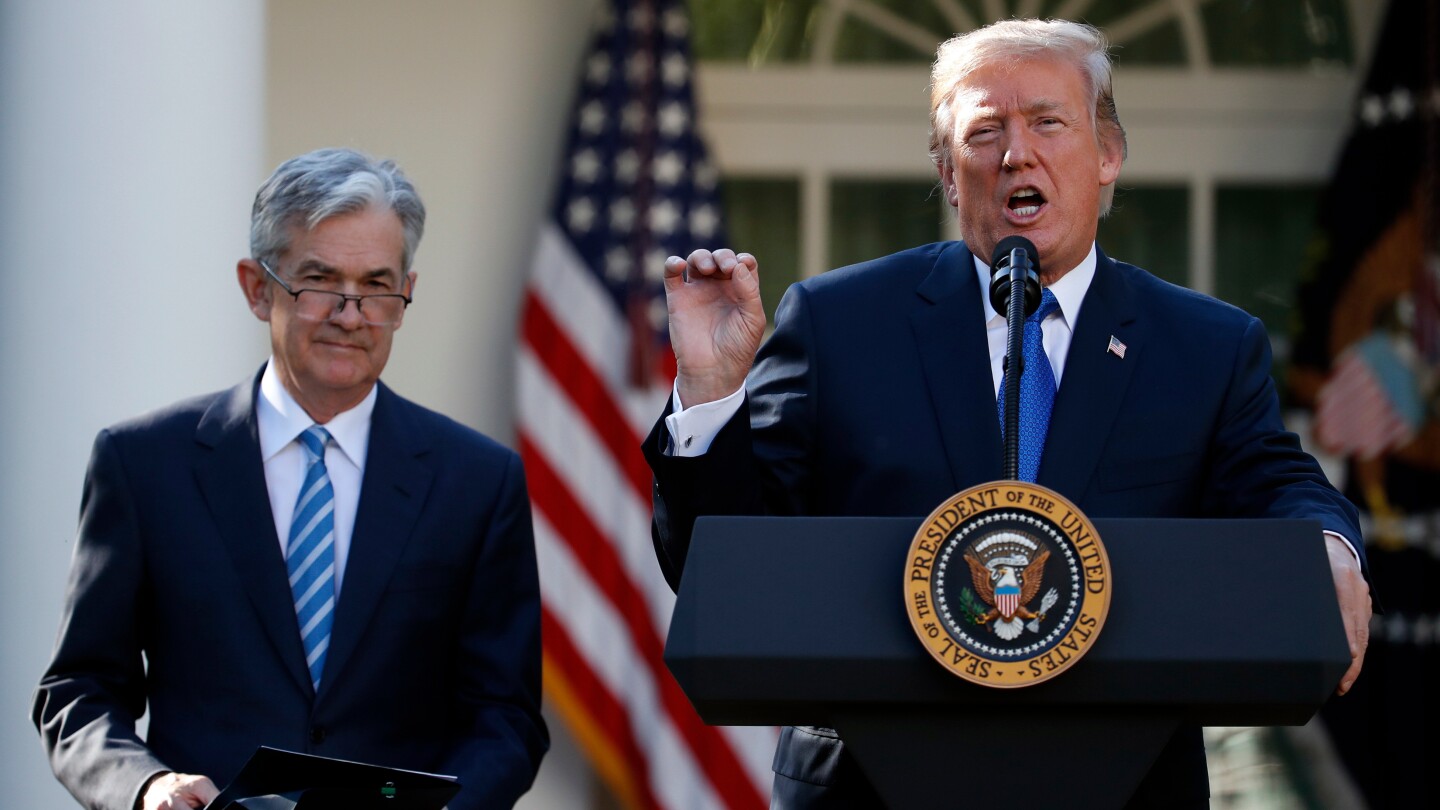
Justice Department’s Legal Threat Against the Federal Reserve
The U.S. Department of Justice has issued a criminal indictment threat to the Federal Reserve, highlighting tensions between the Trump administration and the central bank over its independence. Federal Reserve Chair Jerome Powell disclosed this development, which revolves around the Fed’s building renovations, over the weekend.
This move by the Justice Department is seen as a significant escalation in the ongoing struggle for influence over the Fed, marking another attempt by President Donald Trump to assert more control over the institution. Trump’s dissatisfaction with Powell centers around interest rate policies. Despite the Fed reducing interest rates in late 2025, Trump has criticized Powell for not cutting rates sooner to stimulate economic growth and decrease government borrowing costs.
Allegations and Political Reactions
In addition to disagreements over interest rates, Trump has accused Powell of mishandling the Fed’s $2.5 billion building renovation project. Powell has dismissed these allegations, labeling the criminal charges as attempts to undermine the Fed’s autonomy in setting monetary policy.
While some Republican lawmakers have remained silent, others have voiced concerns. Senator Thom Tillis of North Carolina, a member of the Banking Committee, stated, “If there were any remaining doubt whether advisers within the Trump Administration are actively pushing to end the independence of the Federal Reserve, there should now be none.”
Moreover, President Trump is reportedly considering the dismissal of Federal Reserve Governor Lisa Cook over unproven allegations of mortgage fraud, which originated from Bill Pulte, a Trump-appointed official.
The Importance of Federal Reserve Independence
The Federal Reserve’s independence is crucial for managing the U.S. economy. By adjusting short-term interest rates, the Fed influences borrowing costs and economic activity. Independent central banks are favored by economists as they can implement unpopular but necessary measures to control inflation without political interference.
Historical precedents underscore this importance. During the 1970s and early 1980s, the Fed faced criticism for succumbing to political pressure, contributing to prolonged inflation. In contrast, Paul Volcker’s leadership in the late 1970s demonstrated the value of an independent Fed in controlling inflation, despite economic hardships.
Market Implications and Investor Concerns
The potential firing of Powell could lead to significant market disruptions. Stock prices are expected to fall, while bond yields might increase, raising borrowing costs for various loans. Investors generally favor an autonomous Fed for its ability to manage inflation effectively and maintain predictable policies.
Should political influence grow, financial markets would struggle to anticipate Fed decisions, complicating the economic landscape. The situation in Turkey, where political pressures initially kept rates low despite high inflation, serves as a cautionary tale of the consequences of reduced central bank independence.
Accountability of the Federal Reserve
Despite its independence, the Fed remains accountable. Chairs are appointed by the president for four-year terms with Senate approval, and the governing board consists of presidential appointees serving staggered terms. This structure allows presidents to gradually influence Fed policy.
Congress also plays a role by setting the Fed’s objectives, such as maintaining stable prices and maximizing employment. The Fed chair is required to testify before Congress biannually, ensuring oversight of economic and interest rate policies.
Presidential Authority and Powell’s Future
The question of whether President Trump can dismiss Powell before the end of his term remains contentious. A recent Supreme Court ruling suggests a president cannot remove a Fed chair solely over policy disagreements, but may do so “for cause,” implying misconduct.
The Trump administration’s focus on the renovation project could be an attempt to establish a “for cause” rationale. However, Powell is expected to contest any such move, potentially leading to a legal battle in the Supreme Court.