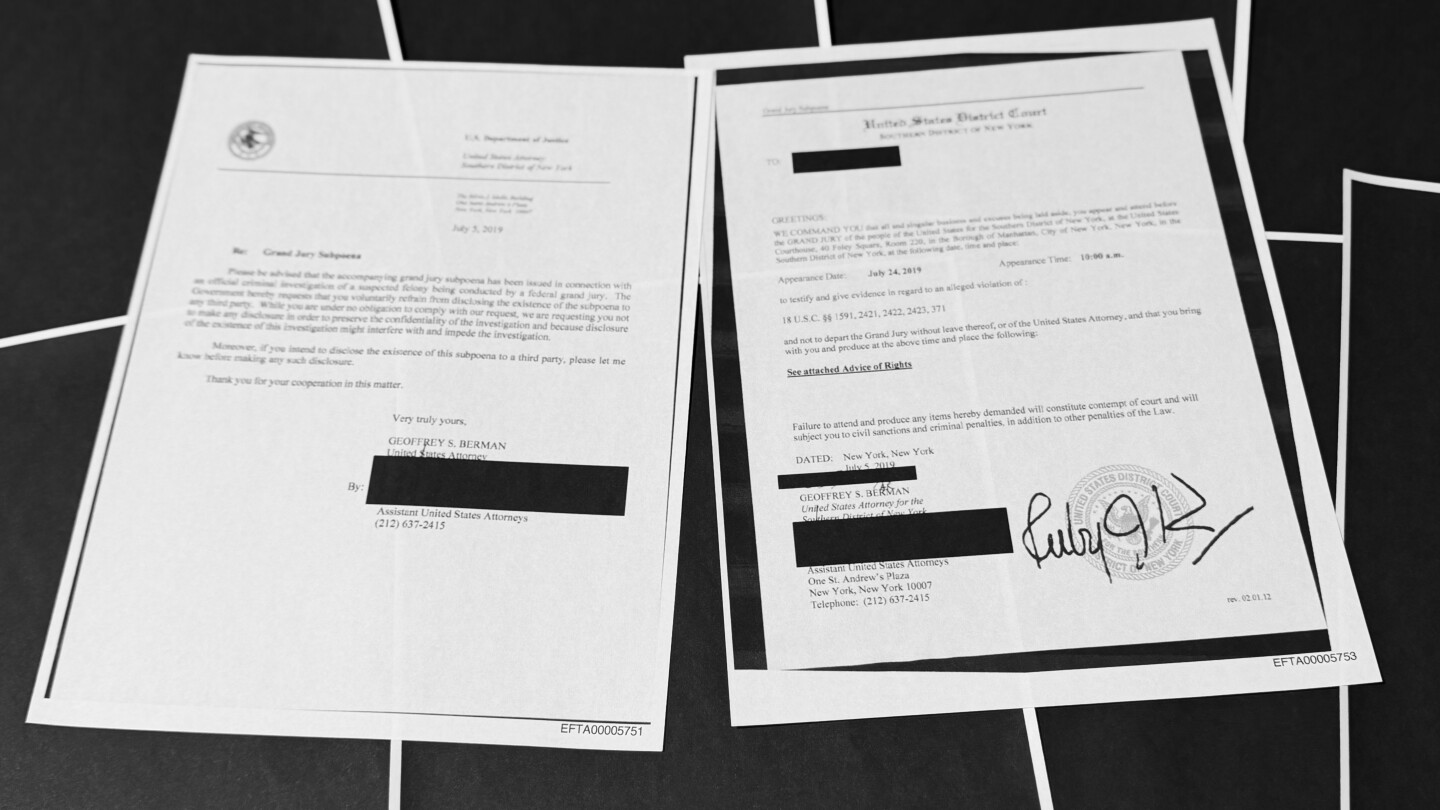
The U.S. Department of Justice’s recent release of documents related to Jeffrey Epstein has sparked significant public interest and political debate. The files were made available on Friday, offering a glimpse into the investigations surrounding the late financier, yet leaving some expectations unmet.
The release consisted of thousands of files, predominantly photographs, alongside call logs, court records, and other documents. However, it was notably less comprehensive than anticipated, leading to dissatisfaction among certain political factions. Many Democrats expressed frustration, suggesting the Trump administration might be withholding information. The Justice Department assured that additional documents would be forthcoming.
Details of the Document Release
The release, spurred by public demand for transparency, followed a bill signed by President Donald Trump. The bill required the Justice Department to disclose most of its Epstein-related files. Despite prior assertions from Deputy Attorney General Todd Blanche that hundreds of thousands of files would be released, the actual number fell short. The Department acknowledged this and committed to completing the file release by year’s end.
The initial release included approximately 4,000 files, primarily photographs taken by the FBI during investigations at Epstein’s properties. While some files were redacted to protect victims’ identities, others, such as court records, had previously been accessible to the public.
Images and Implications
A significant portion of the released photographs featured former President Bill Clinton. Clinton, who has traveled on Epstein’s private jet, maintains he was unaware of Epstein’s criminal activities. The photographs, some of which showed Clinton in social settings with Epstein and others, were quickly noted by political figures.
Despite the lack of new revelations involving President Trump, his minimal presence in the files was noted. The documents did include a photo of former Prince Andrew, another figure linked to Epstein controversies.
Political Reactions and Legal Considerations
The partial release has prompted criticism from lawmakers who argue the administration has not complied with the legislative mandate. Representatives Ro Khanna and Thomas Massie criticized the release’s extent, with Massie stating it “grossly fails to comply with both the spirit and the letter of the law.” Senator Jeff Merkley echoed these sentiments, emphasizing the need for transparency and justice for Epstein’s victims.
Congress may pursue further legal actions to enforce compliance, though such processes could extend over time. Concurrently, the House Oversight Committee’s subpoena for the Epstein files may provide another avenue for accessing additional information.