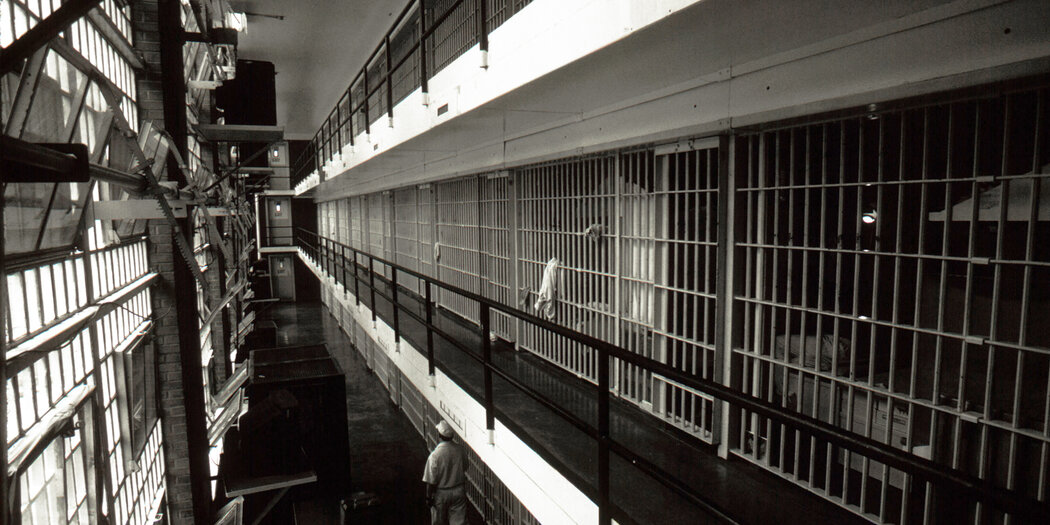
The Importance of Avoiding Ineffective Crime Policies
As discussions continue around the future direction of the U.S. Justice Department’s policies, experts advise against reverting to outdated “tough on crime” strategies. These policies, previously implemented in the late 20th century, are often criticized for their lack of effectiveness in sustainably reducing crime rates.
One of the main criticisms of these past policies is their focus on harsh penalties, which have been shown to disproportionately affect minority communities without delivering a significant decrease in crime rates. Research suggests that these approaches often resulted in overpopulated prison systems and failed to address the root causes of crime such as poverty, lack of education, and insufficient mental health support.
Advocates for reform suggest that a shift towards more rehabilitative and preventive measures could yield better results. By investing in community programs, education, and mental health resources, the Justice Department could potentially reduce crime rates more effectively and sustainably.
In light of these discussions, stakeholders emphasize the need for policy decisions to be backed by data and research. “The Justice Department should not return to ineffective ‘tough on crime’ policies of the past,” experts argue, underscoring the importance of learning from historical missteps to craft a more equitable and effective criminal justice system for the future.