Federal Court Orders Trump Administration to Relinquish Control of California National Guard
A federal judge has mandated that the Trump administration must cease its command over the California National Guard in Los Angeles, handing control back to the state. U.S. District Judge Charles Breyer issued the order on Wednesday, but delayed its implementation until Monday, potentially allowing time for an appeal.
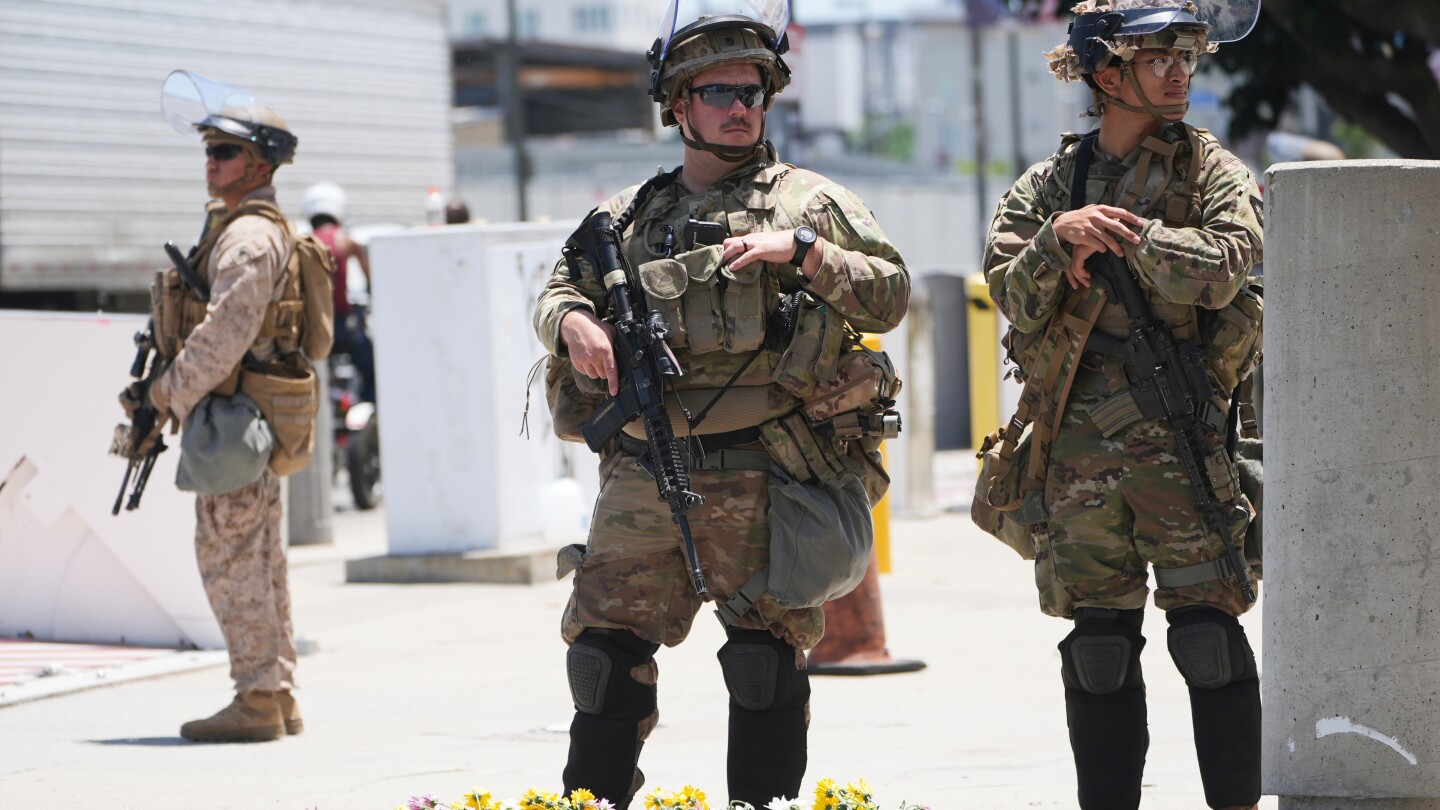
President Donald Trump had deployed more than 4,000 National Guard troops in California in June without state approval, to bolster federal immigration enforcement efforts. Although troop numbers dwindled to a few hundred by October, California remained firmly against federal control. White House spokeswoman Abigail Jackson indicated that an appeal was likely, expressing confidence in a favorable outcome for the administration.
“President Trump exercised his lawful authority to deploy National Guard troops to support federal officers and assets following violent riots that local leaders like Newscum refused to stop,” Jackson stated, using a derogatory nickname Trump has used for Democratic Governor Gavin Newsom.
California Attorney General Rob Bonta hailed the ruling as a triumph for democracy and accused the administration of politicizing the military presence. “But the President is not king,” Bonta asserted. “And he cannot federalize the National Guard whenever, wherever, and for however long he wants, without justification.”
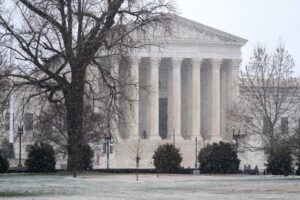
Judge Breyer dismissed the administration’s claims that he lacked jurisdiction to review the deployment extensions and that federal protection required Guard presence. He described the former claim as “shocking” and questioned the validity of the latter.
“The Founders designed our government to be a system of checks and balances,” Breyer commented, emphasizing that the administration appeared to seek a “blank check” for its actions. The remaining Guard troops in Los Angeles are reportedly stationed at federal buildings or nearby bases, not actively patrolling with immigration officers.
California officials argued that the situation in Los Angeles had stabilized since the initial deployment, which followed confrontations between federal agents and protesters. Demonstrators had targeted Border Patrol vehicles with rocks, and one individual admitted to launching a Molotov cocktail during the unrest.
The Trump administration extended the National Guard’s deployment to February, seeking to utilize state troops in Democratic-led cities like Portland and Chicago, despite resistance from local leaders. Breyer criticized the federal strategy as forming a “national police force” from state troops and deemed the ongoing need in Los Angeles as lacking “common sense.”
The unusual deployment, marking the first time in decades a state’s National Guard was activated without the governor’s request, faced legal challenges. California argued that the president’s actions violated laws restricting military use in domestic matters, while the administration insisted on the necessity due to perceived rebellion risks.
Breyer refuted the rebellion notion as even more “farfetched” during the extension decision. His earlier temporary restraining order was stayed by an appellate panel, but Breyer’s September ruling found the deployment unlawful. Similar judicial interventions have occurred against National Guard deployments in other cities.