Judge Halts White House Construction Project
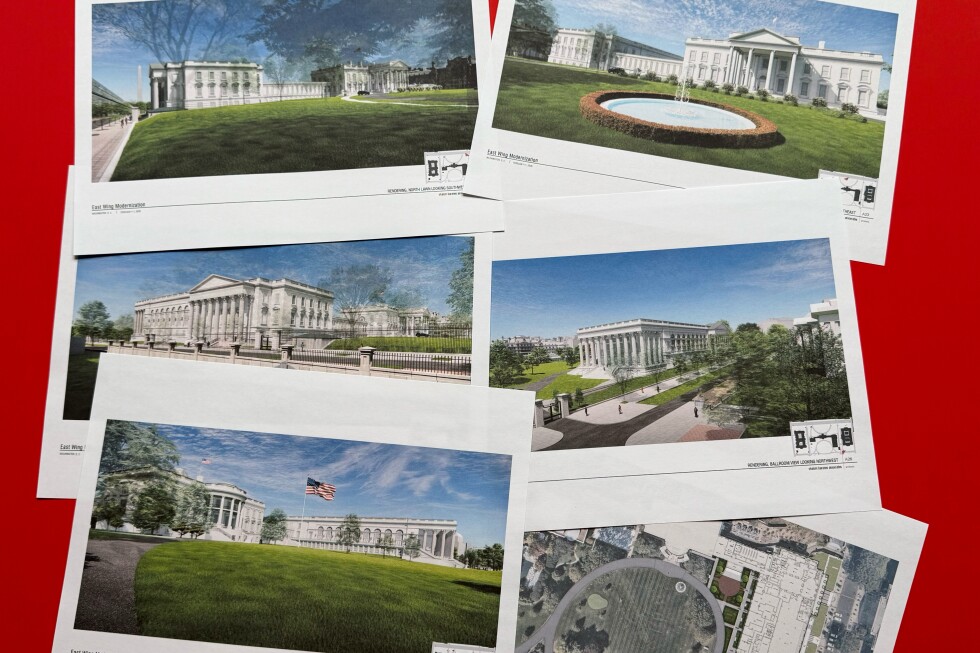
In a recent decision, a federal judge in Washington ordered the suspension of a $400 million ballroom construction project at the White House. This project, initiated by the Trump administration, involved demolishing the East Wing to make room for the new ballroom. The ruling requires congressional approval before the work can continue.
The preliminary injunction was granted by U.S. District Judge Richard Leon, who emphasized that the National Trust for Historic Preservation is likely to prevail in its claims. Judge Leon stated, “No statute comes close to giving the President the authority he claims to have.”
The ruling marks a significant setback for President Trump’s plans to transform the White House. Despite the decision, the White House has filed a notice of appeal. President Trump expressed his frustration, stating, “We built many things at the White House over the years. They don’t get congressional approval.”
Preservation Group Takes Legal Action
The National Trust for Historic Preservation, a preservationist group, was instrumental in obtaining the injunction. Carol Quillen, the group’s president, said, “We are pleased with Judge Leon’s ruling today to order a halt to any further ballroom construction until the Administration complies with the law and obtains express authorization to go forward.”
Quillen added, “This is a win for the American people on a project that forever impacts one of the most beloved and iconic places in our nation.” The group aims for the project to undergo independent reviews and secure congressional approval before proceeding.
Judge Leon allowed a 14-day suspension of enforcement of his order, acknowledging the complexities involved in halting an ongoing construction project. The ruling does not affect construction necessary for the safety and security of the White House.
Construction and Security Concerns
Judge Leon’s ruling permits work on underground bunkers and security measures around the White House to continue, as these are not part of the ballroom project and are funded by taxpayers. President Trump mentioned, “It talks about we’re allowed to continue building,” referencing the ruling’s allowance.
Trump detailed the security enhancements, including drone-proof roofing, secure air-handling systems, bio-defense measures, and the construction of bomb shelters and medical facilities. He emphasized, “Think of that for the safety of the president,” affirming that the ruling allows these measures to proceed.
Historical Context and Legal Arguments
The announcement of the ballroom project came as a surprise during the summer, with the East Wing demolished by October for a 90,000-square-foot ballroom. The administration had not sought input from the National Capital Planning Commission or the Commission of Fine Arts, both of which have Trump-appointed members.
Judge Leon previously denied the preservation group’s initial attempt to stop construction, but the group amended its lawsuit, leading to the current ruling. The administration planned to start above-ground construction in April, and plaintiffs’ attorney Thaddeus Heuer emphasized the urgency of the situation.
During hearings, Judge Leon criticized the administration’s arguments, stating, “This is an iconic symbol of this nation.” Government attorneys argued that past presidents did not need congressional approval for renovations, but Judge Leon disputed the administration’s claim of unilateral authority.
Trump’s Broader Vision for Washington
Since returning to the presidency, Trump has sought to leave a lasting mark on Washington, including initiatives beyond the White House. His projects range from adding a patio space to the Rose Garden, installing flagpoles, and renovating the Lincoln Bedroom bathroom to adding gold flourishes to the Oval Office.
President Trump also plans to construct a ceremonial arch near the Lincoln Memorial, renovate local golf courses, and lead a revamp of the Kennedy Center, which will cause the venue to close for two years.
The administration’s defense highlighted that past White House projects, though controversial, are now accepted as integral parts of the historic building. However, Judge Leon’s ruling underscores the necessity of adhering to established congressional processes for federal property renovations.