Federal Judge Halts Termination of TPS for Haitians and Venezuelans
A significant legal development occurred in San Francisco when a federal judge intervened to prevent the Trump administration from ending Temporary Protected Status (TPS) for over a million individuals from Haiti and Venezuela. The ruling, issued by U.S. District Judge Edward Chen, ensures that approximately 600,000 Venezuelans, whose protections had expired or were nearing expiration, retain their right to reside and work in the United States. Additionally, the protections extend to about 500,000 Haitians.
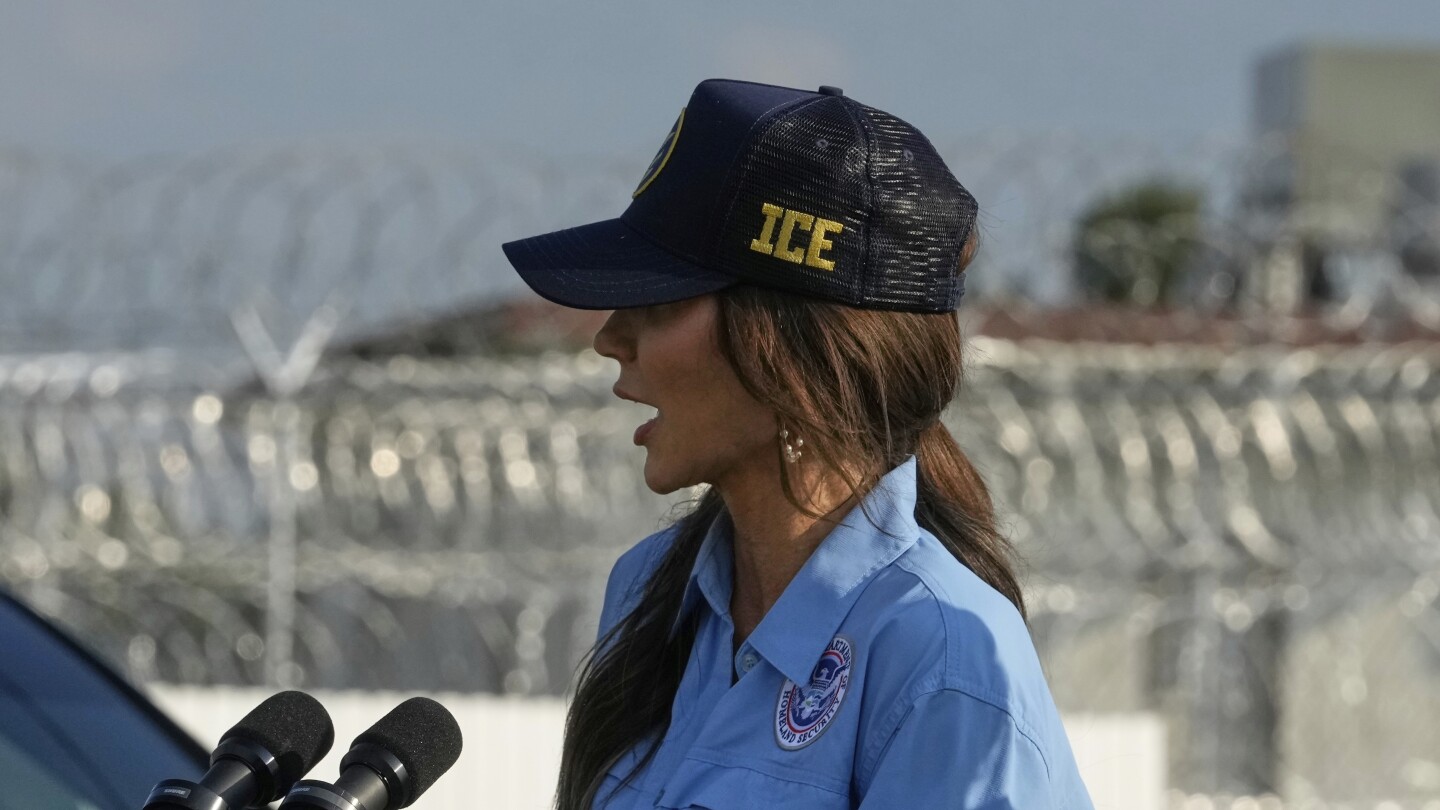
Judge Chen criticized Homeland Security Secretary Kristi Noem for her decision to revoke these protections, which, according to him, would compel individuals to return to perilous conditions in their home countries. He characterized Noem’s actions as “arbitrary and capricious” and noted that she overstepped her authority by terminating protections extended under the Biden administration.
The TPS program has been part of U.S. immigration policy for 35 years, typically involving careful review and consultation with various agencies. Judge Chen emphasized that the law has always been applied with thorough analysis, a process that he believes Noem disregarded.
While the ruling was welcomed by plaintiffs and their legal representatives, it remains uncertain how it will affect those who have already been deported. Emi Maclean, a senior staff attorney with the ACLU Foundation of Northern California, commented on the adverse impacts of the administration’s agenda, highlighting the “unspeakable harm” faced by affected individuals, including deportation and family separation.
A spokesperson for the Department of Homeland Security (DHS) expressed discontent with the ruling, claiming that the TPS program has been misused as a de facto amnesty and criticized the intervention of “unelected activist judges.” The spokesperson noted that Secretary Noem intends to pursue all legal avenues to conclude the program and focus on American safety.
The Trump administration’s stringent immigration policies have led to increased arrests and the discontinuation of programs offering temporary legal status based on unsafe conditions in migrants’ home countries. Court documents reveal that TPS and Humanitarian Parole designations for about 1.5 million people have been terminated, sparking multiple lawsuits nationwide.
TPS is granted when conditions in a person’s home country, such as natural disasters or political instability, make return unsafe. Venezuelans, escaping political and economic turmoil, and Haitians, originally granted TPS following a devastating earthquake in 2010, are among those affected. Despite ongoing hardships, Noem argued that conditions have improved, justifying the revocation of TPS.
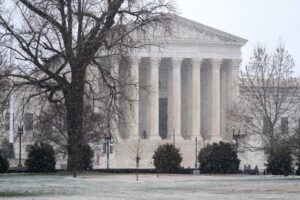
Chen’s ruling noted that the revocation was unprecedented in its abruptness and violated existing law. The case has seen several legal developments, including a temporary pause on TPS termination for Venezuelans by Chen in March, which was later overturned by the U.S. Supreme Court without explanation.
The ruling comes amid ongoing legal battles, with a recent appellate court decision siding with plaintiffs and asserting that the Trump administration lacked the authority to rescind protections granted by its predecessor. The government is expected to appeal the latest ruling.
The impact of the administration’s actions has been profound, with families separated and individuals detained or deported. A court declaration highlighted personal stories, including a restaurant hostess deported to Venezuela and a FedEx employee detained during an immigration check-in, both facing significant personal and financial challenges.
While the Supreme Court’s previous decision does not affect the current ruling, the future of TPS remains uncertain as legal proceedings continue.