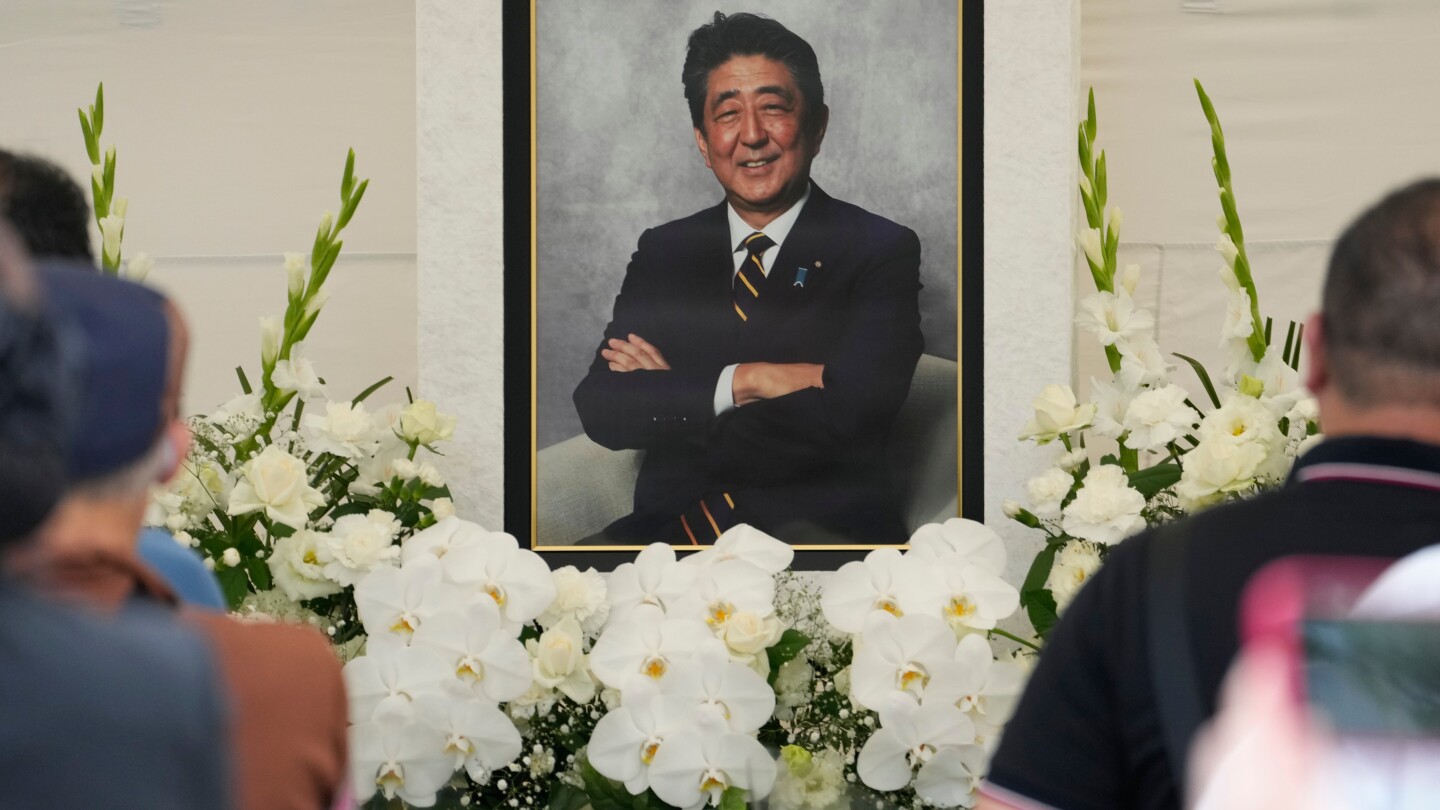
A Japanese court has sentenced Tetsuya Yamagami, 45, to life imprisonment for the assassination of former Prime Minister Shinzo Abe. This case uncovered longstanding connections between Japan’s ruling party and a controversial South Korean religious organization.
Yamagami confessed to the murder, which occurred in July 2022 during Abe’s campaign speech in Nara, a city in western Japan. Abe, who was a prominent figure in Japanese politics, was campaigning as a regular lawmaker after stepping down as prime minister. The assassination shocked Japan, a country known for its strict gun control laws.
Motivation Behind the Attack
According to investigators, Yamagami was driven by a desire to unveil the links between Japanese politicians and the Unification Church. He blamed the church for influencing his mother to neglect him during his childhood. Yamagami pleaded guilty to murder during the trial, which commenced in October. The Nara District Court fulfilled the prosecution’s request for life imprisonment.
Defense attorney Takashi Fujimoto expressed disappointment, stating that the court failed to consider Yamagami’s challenging upbringing. The defense team is contemplating an appeal after consulting with Yamagami.
Controversial Church Connection
Yamagami revealed he targeted Abe after watching a video message sent by Abe to a church-affiliated group. His aim was to harm the church and reveal its ties to Abe. The prosecution argued for a life sentence, citing the severity and danger of the attack at a bustling campaign venue. Despite the potential for a death penalty in murder cases, it was not sought as only one person was killed.
The assassination led to increased scrutiny of the relationship between the ruling Liberal Democratic Party and the Unification Church. Investigations into the church’s fundraising practices resulted in the revocation of its tax-exempt status in Japan, a decision currently under appeal. Additionally, the National Police Agency has enhanced security measures for dignitaries following the incident.
Abe’s Political Legacy
Shinzo Abe, Japan’s longest-serving postwar leader, held office for nine years before resigning in 2021. Known for his conservative stances, he maintained strong ties with right-wing groups, including the Unification Church. Abe’s political philosophy is now represented by Sanae Takaichi, Japan’s first female Prime Minister, who assumed office in October.
Yamagami told the court he chose Abe as a target due to the connections between the church and Japanese politics, illustrated by Abe’s participation in a church-related event.
Impact of the Attack
The assassination took place on July 8, 2022, as Abe delivered a speech outside a train station in Nara. Television footage captured the moment two shots rang out, and Abe collapsed, mortally wounded. Yamagami was apprehended at the scene. Initially, he intended to assassinate the leader of the Unification Church but shifted focus to Abe due to accessibility challenges.
During the trial, Yamagami expressed remorse to Abe’s widow, stating he bore no animosity towards Abe’s family and had no justification for his actions.
Public Reaction and Sympathy
The case shed light on the plight of children of Unification Church members, influencing legislation aimed at curbing exploitative donation practices by religious organizations. Yamagami’s mother, a church member, made significant donations that led to the family’s financial ruin, according to investigators. Yamagami’s brother’s suicide in 2015 exacerbated his antipathy towards the church.
Despite the severity of his crime, Yamagami garnered public sympathy, particularly from those critical of the church. Thousands signed a petition for leniency, and he received care packages from supporters at the detention center.