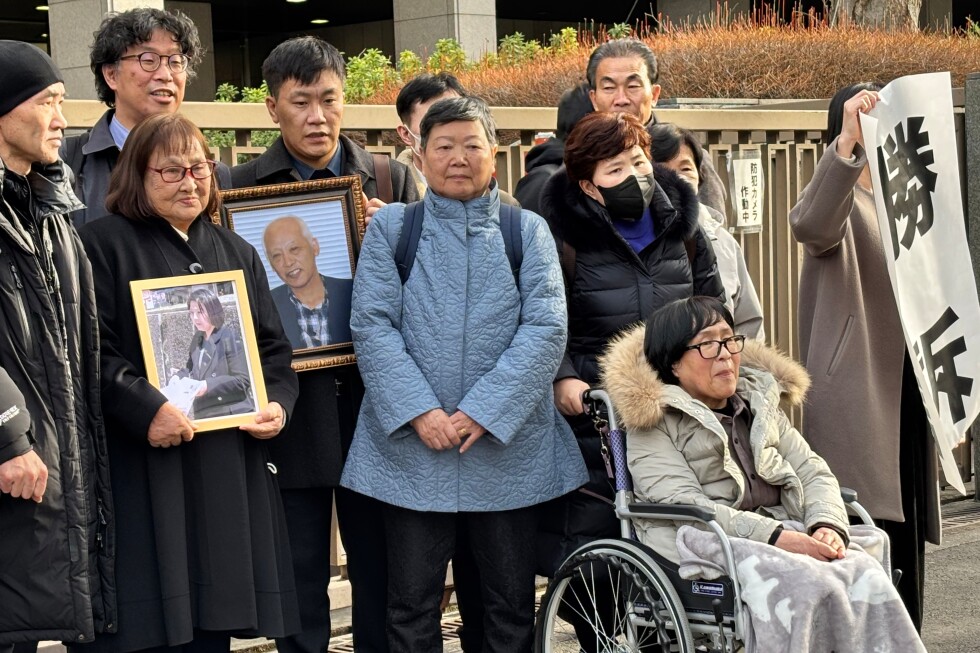
A landmark ruling by a Japanese court on Monday held North Korea accountable for human rights abuses against four individuals who were enticed to move to North Korea under false promises of a prosperous life. The Tokyo District Court ordered the North Korean government to compensate each plaintiff with 22 million yen ($143,000), a decision that the survivors and their advocates are calling groundbreaking.
Broken Promises of a “Paradise on Earth”
The plaintiffs, consisting of both ethnic Koreans and Japanese, endured decades of hardships in North Korea after being misled by the post-war repatriation program from 1959 to 1984. The program, which falsely promised free healthcare, education, and employment, resulted in the plaintiffs suffering under severe conditions without the freedom to return to Japan. According to Judge Taiichi Kamino, the plaintiffs lived with restricted rights, often lacking basic necessities such as food and adequate shelter, and stated that their lives were essentially ruined by the North Korean regime.
Legal Proceedings and North Korea’s Absence
The legal journey began in 2018 when five plaintiffs filed for compensation of 100 million yen ($650,000) each, citing illegal detention and deception. Following the deaths of two plaintiffs, the lawsuit continued with four plaintiffs. Initially, a 2022 ruling denied compensation due to jurisdictional issues, but a 2023 decision by the Tokyo High Court recognized the violations of fundamental rights by North Korea and allowed the case to proceed in Japan. North Korea, which has no diplomatic ties with Japan, did not participate in the legal process.
Personal Accounts of Survival
Eiko Kawasaki, an 83-year-old plaintiff and second-generation Korean from Kyoto, recounted her harrowing journey to North Korea in 1960. Upon arrival, she was met with stark realities that contradicted the “paradise” she was promised. After 43 years, Kawasaki managed to escape to Japan, leaving behind her children. While she has since reconnected with some family members, she remains uncertain about the fate of others due to North Korea’s strict pandemic border closures.
Kawasaki expressed skepticism about North Korea’s response to the ruling, stating, “I think North Korea will ignore the ruling … I don’t think Kim Jong Un would react or comment.” Lawyer Kenji Fukuda suggested that seizing North Korean assets in Japan could be a potential avenue to enforce the court’s decision.
Calls for Government Action and Support
The plaintiffs are urging the Japanese government to acknowledge its role in the repatriation agreement and to support those still trapped in North Korea. Human Rights Watch’s Japan director, Kane Doi, emphasized the importance of using this ruling to hold North Korea accountable and assist other victims in returning to Japan. Despite historical tensions stemming from Japan’s colonization of the Korean Peninsula, this case highlights the ongoing discrimination faced by the approximately 500,000 ethnic Koreans living in Japan.
During the repatriation program, over 93,000 ethnic Koreans and their Japanese relatives moved to North Korea. To date, only about 150 have successfully returned to Japan, as reported by organizations supporting North Korean defectors.