Iraq’s Election Results Ratified; Coalition-Building Underway
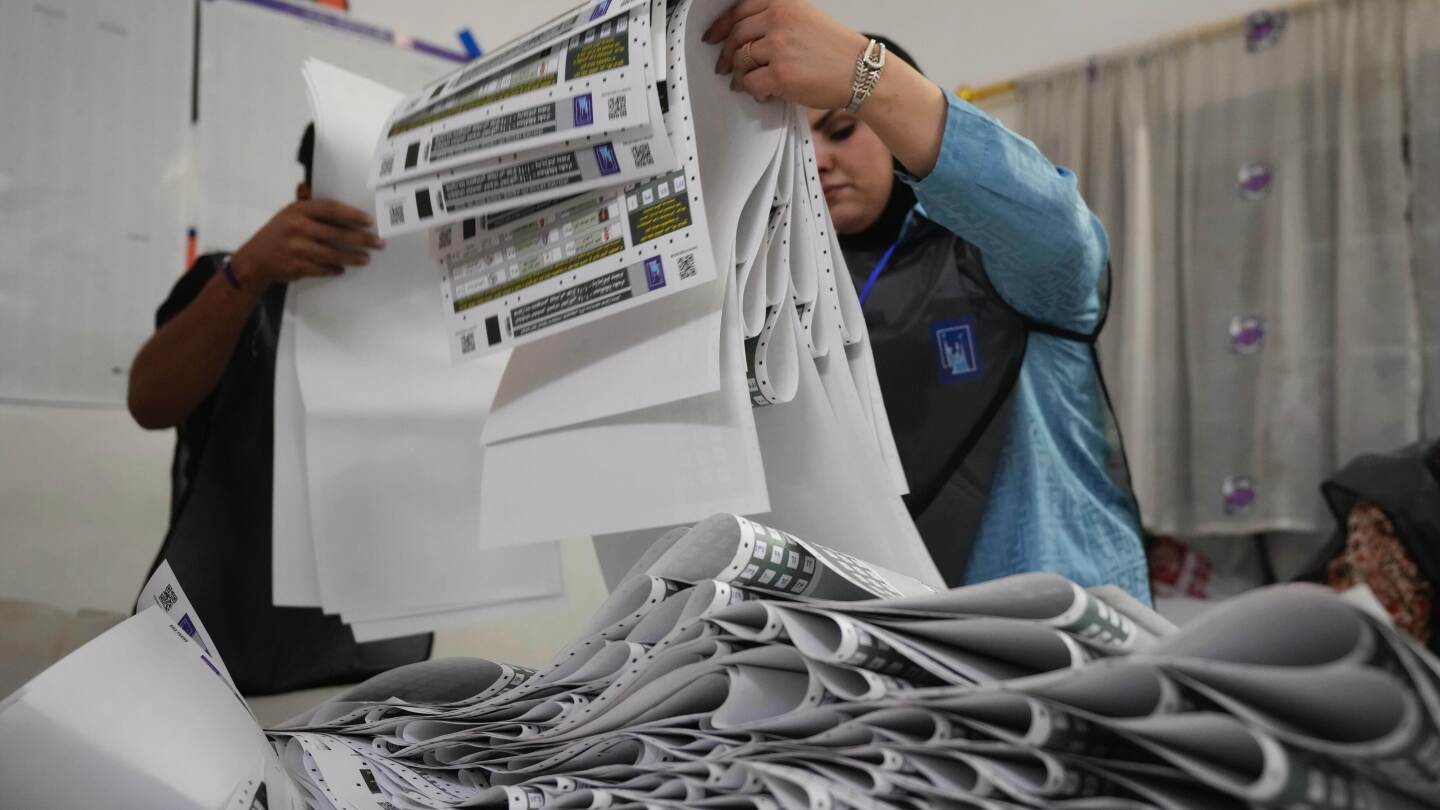
The Supreme Federal Court of Iraq has officially ratified the results of last month’s parliamentary elections, verifying that the electoral process adhered to constitutional and legal standards without any anomalies that could impact its legitimacy. This confirmation solidifies the victory for caretaker Prime Minister Mohammed Shia al-Sudani’s party, which secured the most seats, although not enough for a definitive second term.
The Independent High Electoral Commission forwarded the final election results for legislative positions to the Supreme Federal Court following the resolution of 853 complaints regarding the outcomes. The Reconstruction and Development Coalition, led by al-Sudani, achieved 46 seats in the 329-seat parliament. Historically, however, the party with the largest number of seats has struggled to unilaterally appoint its prime ministerial choice.
Several other political groups made significant gains as well. The coalition under former Prime Minister Nouri al-Maliki captured 29 seats. The Sadiqoun Bloc, headed by Asaib Ahl al-Haq militia leader Qais al-Khazali, won 28 seats. Meanwhile, the Kurdistan Democratic Party, one of the principal Kurdish factions led by Masoud Barzani, obtained 27 seats.
Mohammed al-Halbousi’s Taqaddum (Progress) party, representing the ousted former Parliament Speaker, also secured 27 seats, indicating an impending competition for the speaker’s position. In Iraq’s political tradition, the roles are typically distributed with the prime minister being Shiite, the president a Kurd, and the parliament speaker a Sunni.
In terms of broader representation, Shiite alliances and lists collectively garnered 187 seats, Sunni factions 77 seats, Kurdish groups 56 seats, alongside 9 seats designated for minority groups.
Having ascended to power in 2022 with support from the Coordination Framework — a coalition of Shiite parties with Iranian backing — al-Sudani’s future remains uncertain as it is unclear if this coalition will support him for another term.
With no political entity gaining enough seats to form a government single-handedly, discussions among political leaders are underway to construct a governing coalition.